


Deciding on an ensemble for someone’s special celebration often sparks uncertainty, especially when invitations feature vague or unfamiliar dress codes. Figuring out what is appropriate to wear to a wedding requires balancing respect for the couple’s preferences with personal comfort and venue requirements. While some ceremonies call for floor-sweeping evening wear, others encourage relaxed daytime silhouettes or festive cocktail attire. Navigating these distinctions early helps prevent awkward wardrobe missteps and ensures your chosen outfit complements the celebratory setting.
Fabric selection, weather considerations, and movement also play critical roles in putting together a practical and polished look. Breathable textiles like cotton blends and lightweight crepe perform well during warmer outdoor receptions, whereas heavier woven fabrics or warm maxi dresses for winter offer reliable coverage against brisk seasonal breezes. Footwear stability and sensible layering choices further enhance your overall experience throughout hours of sitting, standing, and dancing. Keeping these essential wardrobe elements in mind allows you to arrive feeling confident, comfortable, and fully aligned with the occasion.



Navigating Wedding Attire: Dress Codes, Silhouettes, and Etiquette
Understanding wedding guest expectations begins with evaluating the invitation, the venue setting, and the time of day. Stated dress codes establish a helpful baseline, yet practical factors like ceremony length and reception temperature dictate what feels genuinely wearable. A well-chosen outfit respects the couple’s celebration without drawing undue attention away from the newlyweds. By prioritizing tailored fits, tasteful necklines, and breathable construction, guests can easily assemble a balanced look that honors the couple.
Decoding Stated Wedding Dress Codes
Invitations often specify a formal level that guides your garment silhouette and fabric choice. White-tie and black-tie events demand maximum elegance, typically calling for floor-length evening gowns made from luxurious textiles like crepe, satin, or structured mikado. Black-tie optional and formal designations offer slightly more leeway, allowing sophisticated ankle-length gowns or refined midis alongside traditional floor-length styles. For these elevated affairs, darker hues, rich jewel tones, and restrained metallic details complement the upscale ambiance.
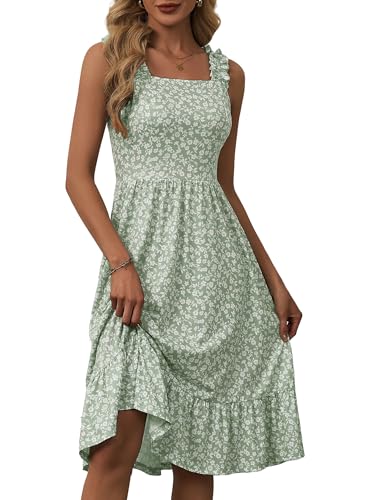
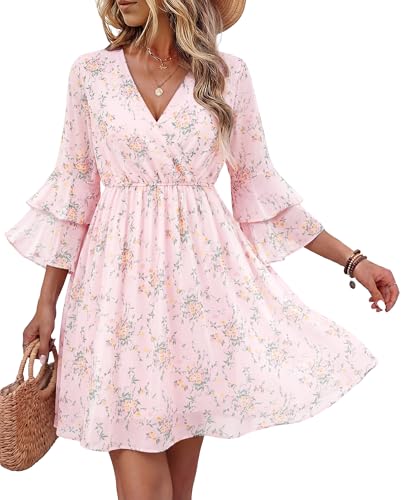
Cocktail and semi-formal weddings represent the most common invitation categories and invite greater silhouette versatility. A tasteful knee-length dress, a tiered midi, or an A-line swing cut fits naturally into an afternoon chapel service followed by an evening reception. Semi-formal gatherings allow for softer prints, playful sleeves, and comfortable stretch blends that adapt to varying activities. If an invitation mentions dressy casual or daytime casual, tailored sundresses, chic jumpsuits, or neat pencil skirts maintain polish while skipping unnecessary stiffness.
When an invitation leaves out attire instructions entirely, the wedding location and start time serve as reliable indicators. Morning or early afternoon outdoor ceremonies generally lean semi-formal or dressy casual, favoring airy fabrics and cheerful pastels. Conversely, any celebration commencing after five o’clock in an upscale ballroom or historic estate naturally leans toward cocktail or formal wear. Reaching out politely to a member of the bridal party can clarify lingering ambiguity before you commit to a purchase.
Universal Color Etiquette and Shade Nuances
Color choice carries significant social weight across diverse wedding traditions, requiring mindful evaluation before selecting a garment. The most recognized modern rule across Western celebrations is reserving pure white, ivory, cream, and eggshell exclusively for the bride. Very pale pastels, such as icy blue, blush, or champagne, can also photograph surprisingly close to white under bright flash photography. Opting for saturated tones or defined floral patterns prevents inadvertent confusion in group wedding portraits.
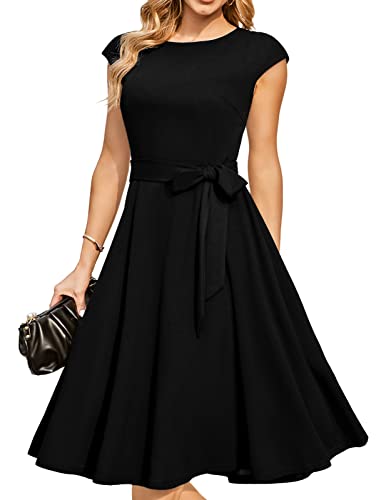
Black dresses were once considered somber, but contemporary etiquette widely embraces black for evening cocktail and formal ceremonies. A tailored black midi dress paired with warm metallic accents or colorful jewelry looks modern, elegant, and entirely respectful. However, guests attending bright morning ceremonies or beachside destinations often prefer softer jewel tones, earthy sage, or terracotta. Evaluating the overall mood of the venue helps determine whether deep neutrals or vibrant shades feel most harmonious.
Bridal party colors represent another subtle aesthetic detail worth researching prior to the wedding date. If you happen to know the bridesmaid dress palette, selecting an alternate shade prevents you from appearing as an unassigned attendant. Similarly, neon tones and overly distracting patterns tend to steal visual focus during formal vows and ceremony snapshots. Rich tones such as emerald, navy, plum, and warm rust flatter varied complexions while upholding an understated, celebratory presence.
Selecting Silhouettes for Comfort and Elegance
Silhouette construction directly affects how confident and comfortable you remain throughout an extended day of festivities. Fit-and-flare dresses and classic A-line cuts remain enduring favorites because their defined waistlines and gently sweeping skirts accommodate natural movement. Options featuring an empire waist or pleated swing skirt offer ease across the midsection, making them practical for celebratory dining and dancing. Garments constructed with subtle elastane or stretch polyester blends allow ease of motion without wrinkling after hours in transit.
Sheath and pencil dresses present a streamlined, tailored appearance that works exceptionally well for urban and business-casual wedding settings. Tailored shoulder seams, integrated tie belts, and modest round necklines lend structured refinement suitable for church sanctuaries or historic town halls. When wearing a form-fitting pencil dress, verifying ease of walking and seated flexibility is essential to avoid fabric pulling along rear seams. A discreet back vent or slight mechanical fabric stretch ensures mobility remains effortless throughout the reception.
Modesty considerations often vary depending on religious customs, ceremony sites, and cultural traditions. Conservative venues frequently expect covered shoulders, higher necklines, and skirts that fall at or below knee level. Selecting a dress with short flutter sleeves, three-quarter sleeves, or pairing a sleeveless gown with a tailored bolero satisfies these standards seamlessly. Having an adaptable wrap or light pashmina tucked into your clutch provides fast coverage whenever entering sacred spaces.
Venue Realities and Seasonal Weather Planning
Wedding venues introduce distinct environmental demands that can make or break your overall physical comfort. Outdoor celebrations hosted at vineyards, beaches, or private estates require garments that handle grass, sand, and shifting winds gracefully. High winds can lift loose, unstructured mini skirts unexpectedly, making weighted hems or midi lengths far more dependable choices. For open-air summer celebrations, breathable cotton blends or comfortable cotton dresses for outdoor gatherings offer dependable ventilation during humid afternoon hours.
Cool-weather ceremonies demand intentional layering strategies that look purposeful rather than thrown together at the last minute. Structured wool coats, cropped faux-fur wraps, or tailored velvet blazers keep you warm during arrival without compromising your gown’s silhouette. If attending a winter reception in an older venue with unpredictable heating, heavier fabrics like jacquard or lined crepe provide essential thermal insulation. Planning thermal undergarments or smooth hosiery prevents unexpected drafts from cutting your evening short on the dance floor.
Destination weddings demand an extra layer of foresight regarding luggage durability and fabric wrinkle resistance. Knitted poly-spandex blends and textured plissé fabrics travel easily without developing severe creases inside packed suitcases. Hanging your garment in the bathroom during a hot shower allows gentle steam to release packing folds naturally before event day. Carrying a compact garment steamer or travel-sized wrinkle release spray provides added peace of mind when settling into hotel rooms.
Footwear Choices and All-Day Reception Mobility
Footwear serves as the foundation of your wedding outfit experience, carrying you through standing cocktail hours and celebratory dance sets. Stiletto heels frequently sink into lawn turf during outdoor ceremonies, creating awkward walking hazards and scuffing delicate shoe leather. Choosing a sturdy block heel with an ankle strap provides reliable elevation while distributing body weight evenly across grass or cobblestones. Low two-inch chunky pumps strike a dependable compromise between elevated style and stable walking comfort across diverse event terrains.
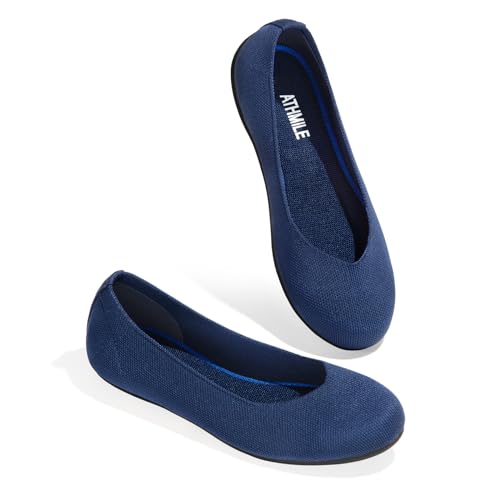
Chic pointed or round-toe ballet flats offer an equally refined alternative for guests seeking complete flat-ground stability. Modern knit flats with cushioned insoles and non-slip rubber outsoles complement tailored pencil dresses and sweeping midis effortlessly. Packing a clean pair of foldable flats inside a handbag allows for an easy transition once late-night dancing begins. This practical swap keeps you engaged with festivities without having to walk barefoot across banquet hall floors.
Shoe color coordination should complement your dress without competing for immediate visual dominance. Neutral tones such as nude, soft gold, muted silver, and classic navy integrate harmoniously across multiple dress palettes and seasonal themes. If your dress features an understated solid color, subtly textured leather or gentle ankle-strap details add visual interest without overpowering your outfit. Always break in new wedding shoes around your home before the event to identify potential friction points early.
Coordinating Adjacent Accessories and Beauty Elements
Adjacent outfit elements like jewelry, clutches, and beauty choices complete your formal ensemble by adding thoughtful, personalized polish. A high crew neckline pairs naturally with drop earrings and a sleek bracelet, whereas an open V-neckline invites an understated pendant necklace. Keeping jewelry proportions balanced prevents an overcrowded visual effect, especially when wearing dresses with ruffled sleeves or gathered bodices. Selecting a structured evening clutch with a detachable chain strap lets you keep both hands free for greeting guests and holding drinks.
Makeup and manicures should complement the celebratory tone while holding up gracefully against hours of laughter and conversation. Long-lasting lip stains and setting sprays prevent frequent touch-ups throughout the dinner reception and photograph cleanly in varying lighting conditions. Press-on almond nails featuring soft floral designs or clean French tips provide a swift, manicured look without requiring a lengthy salon appointment. These understated beauty details enhance your overall appearance while keeping the focus centered on cohesive elegance.
When transitioning toward late-night festivities or party dresses for celebratory evening events, accessory swaps offer immediate versatility. Switching out day-appropriate studs for sparkling chandelier earrings instantly elevates a daytime midi dress for a glamorous ballroom after-party. Stashing a small touch-up pouch containing blotting papers, mints, and safety pins inside your bag keeps minor mishaps under control. These modest preparations ensure you remain poised from the initial processional through the final late-night farewell.
Essential Fit Checks and Pre-Event Garment Preparation
Confirming garment fit several weeks before the wedding date eliminates stressful, last-minute wardrobe crises. Try on your chosen dress alongside the exact undergarments, shapewear, and footwear you plan to wear during the ceremony. Move naturally in front of a mirror by sitting down, raising your arms, and bending forward to check for unexpected gaping or tightness. Inspect zipper tracks, hook-and-eye closures, and waist seams to ensure stitching remains robust and fully aligned.
Garment care labels contain indispensable guidelines that preserve delicate fabrics and intricate decorative finishes over time. Some synthetic blends and polyester knits tolerate gentle home laundering, while embellished garments or fine silks require specialized dry cleaning. Steam your dress thoroughly the day before the event rather than trying to iron synthetic textiles that could scorch under direct heat. Storing the prepared ensemble on a padded hanger inside a breathable garment bag protects it from dust, pet hair, and accidental snags.
Final preparations on the morning of the wedding should center on relaxed dressing and timing. Allow hair styling products, deodorants, and perfumes to dry completely before slipping into your dress to avoid stubborn water rings or chalky residue. Stepping into your dress rather than pulling it over your head preserves your makeup and hairstyling integrity. Once dressed, conduct a final glance in natural light, ensuring hems hang evenly and accessories sit comfortably before departing for the celebration.



Write Your Review
No reviews yet. Be the first to share your experience!