


Building a dependable wardrobe often begins from the bottom up, yet figuring out the right silhouette balance can quickly become frustrating. Black bottoms serve as the undisputed foundation of everyday dressing, but pairing an unstructured top with a loose trouser can leave an entire outfit feeling heavy or shapeless. Understanding how to match black pants requires examining how different textiles, cuts, and footwear interact to create intentional contrast. Whether styling tailored wool slacks, relaxed joggers, or comfort-focused black leggings, subtle adjustments in fabric weight and color saturation completely redefine the final look.
Color coordination plays an equally vital role when assembling a sharp outfit around dark bottoms. High-contrast pairings like crisp white shirts offer timeless appeal, while earthy olive tones, camel outerwear, and rich jewel shades introduce sophisticated depth without clashing against deep black dyes. Footwear selection seals the entire aesthetic, shifting identical trousers from boardroom meetings to weekend coffee runs with a simple swap from leather loafers to low-profile sneakers. By analyzing essential styling formulas and garment specifications, anyone can coordinate how to match black pants with effortless confidence across every season.




Essential Strategies for Coordinating Black Pants Across Every Occasion
Black trousers function as the most adaptable canvas in personal style, yet their neutral simplicity can lead to uninspired or visually flat outfits if coordinated carelessly. Mastering how to match black pants begins by treating the dark shade as an anchor rather than a passive afterthought. When you balance proportions, play with contrasting surface textures, and choose complementary colors, dark bottoms transform into dynamic wardrobe centerpieces.
Different occasions call for radically different approaches, ranging from sharp corporate tailoring to relaxed athleisure and weekend streetwear. A pair of formal dress slacks demands structured shirting and refined shoes, whereas flowy lounge pants or stretch joggers thrive alongside fitted knitwear and casual trainers. Examining the structural foundation of your trousers allows you to craft cohesive ensembles that feel polished and practical.
The Rule of Proportions: Balancing Volume and Silhouette
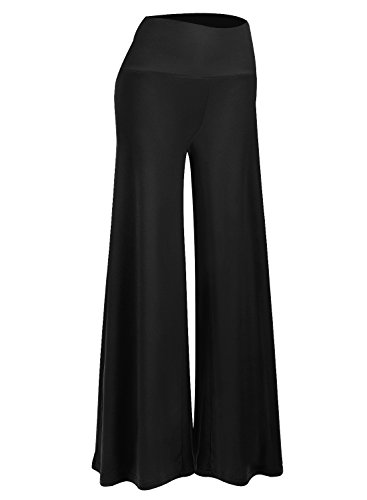
Achieving visual harmony requires paying close attention to the silhouette relationship between your upper and lower body. When wearing voluminous bottoms like the Arolina palazzo pants or Slakkenreis wide-leg sweatpants, oversized tops often swallow the frame and create an overly bulky shape. To counter this effect, pair wide-leg cuts with fitted crop tops, tucked-in rib-knit tees, or tailored bodysuits that clearly define the waistline.
Conversely, slim-fitting trousers establish a narrow vertical line that welcomes structured outerwear and looser layers. Garments such as the Calvin Klein slim fit separate pants or Plaid&Plain flex stretch dress slacks look balanced alongside relaxed-fit blazers, chunky cardigans, or oversized wool overcoats. The taper down the leg prevents looser tops from overwhelming the wearer, maintaining a clean visual line.
Mid-rise and high-rise waistbands also dictate where garments should break across your torso. High-waisted designs naturally elongate the legs, making french tucks and cropped hem lengths ideal companions. Leaving a long, boxy shirt untucked over high-rise trousers disrupts the garment’s natural proportions and conceals intentional tailoring details.
Texture Contrast: Combining Matte, Sheen, and Woven Fabrics
Wearing monochromatic black or pairing dark neutrals requires tactile contrast to keep the outfit from looking flat. If you match a flat black cotton tee with smooth black chinos, the fabrics can blend together awkwardly into an indistinct block of darkness. Introducing distinct textures, such as layering a cable-knit sweater over smooth cotton trousers, immediately creates rich visual depth.
Wool blends and textured weaves offer an effortless route to elevated tailoring. For example, the WOUIEWN regular fit herringbone suit pants incorporate a blend of polyester, rayon, and wool to produce subtle tactile interest. Pairing woven herringbone slacks with a fine-gauge cashmere sweater or crisp poplin dress shirt highlights the intricate weave of the fabric.
Synthetic knits and technical finishes bring their own distinct styling rules to daily outfits. Combining slick performance materials with soft brushed fabrics prevents athletic outfits from looking uniform and repetitive. If your wardrobe incorporates sleek athletic layers or textured faux-leather leggings, balance the high-sheen exterior with matte knitwear, soft flannel overshirts, or dense cotton fleece.
Color Palette Principles: Accents, Neutrals, and Monochromatic Looks
Black pants provide an uncompromising background that accommodates nearly every shade on the color wheel, but specific palettes create distinctly polished moods. The classic high-contrast pairing of jet black and stark white remains a timeless standard for formal and minimalist aesthetics. A crisp white button-down or clean cream crewneck creates instant visual separation that looks purposeful and sharp.
Warm neutrals and earth tones soften the severe appearance of dark trousers, making outfits feel approachable and seasonally adaptable. Camel overcoats, tan suede jackets, olive green utility overshirts, and warm taupe sweaters establish a sophisticated balance against black fabric. These natural earth tones break up the dark base without jarring the eyes with garish brightness.
Jewel tones and deep saturated shades offer another compelling option for evening gatherings or vibrant daytime styling. Rich burgundy, forest green, deep navy, and royal cobalt stand out vibrantly against black trousers without clashing. If you choose an all-black monochromatic ensemble, vary the tonal depth and ensure your tops feature distinct fabric weights to prevent the dreaded uniform appearance.
Styling Formal Trousers and Business Separates
Corporate environments demand precise tailoring and thoughtful coordination between separate suiting pieces. The Calvin Klein slim fit wool separate pants feature natural stretch and refined construction suitable for business meetings or formal events. Pairing tailored trousers with a matching slim-fit jacket creates a cohesive suit, but you can also break up the look with charcoal, navy, or houndstooth blazers.
Underneath the blazer, opt for tailored dress shirts made from pinpoint oxford or fine broadcloth fabrics. Light blue, French blue, and subtle micro-stripes complement black slacks while steering clear of overly stark tuxedo styling. When the weather turns colder, swap traditional collared shirts for lightweight merino wool turtlenecks to maintain an executive appearance with modern flair.
Belt and accessory coordination ties business tailoring together seamlessly. A smooth black leather belt matching the finish of your dress shoes provides a continuous anchor point along the waist. Avoid pairing brown leather dress belts with formal black suit trousers, as this color combination rarely looks intentional in conservative professional environments.
Smart-Casual Options: Performance Slacks and Stretch Golf Pants
Modern workplace standards and active lifestyle routines have popularized versatile hybrid trousers that bridge athletic comfort and dressy aesthetics. The Runcati flat-front stretch golf pants utilize lightweight, breathable stretch fabric that transitions from the fairway to an office desk. Coordinating these hybrid slacks requires garments that balance relaxed movement with a crisp silhouette.
Polo shirts with structured self-collars pair naturally with performance stretch pants, delivering a tidy smart-casual appearance. Mercerized cotton polos or technical pique shirts keep the upper body looking assembled without feeling restrictive. For weekend outings, swap the polo for an untucked linen button-down with rolled sleeves to project relaxed sophistication.
Layering with lightweight outerwear elevates performance pants beyond basic sportswear. A tailored bomber jacket, unstructured knit blazer, or quarter-zip pullover in heather grey complements the functional cut of flat-front slacks. This multi-layered approach keeps your silhouette functional for travel, casual Fridays, or impromptu social engagements.
Flowy Trousers, Palazzos, and Coordinated Two-Piece Ensembles
Wide-leg garments deliver graceful movement and warm-weather ease, yet they require specific styling strategies to prevent shape loss. The Arolina wide leg palazzo pants feature a high-rise elastic waistband and breezy polyester-spandex fabric suitable for lounging or resort wear. Anchoring this fluid silhouette with a cropped denim jacket or structured linen tank ensures your natural waistline remains visible.
Coordinated sets simplify the pairing process by offering pre-matched proportions and complementary textiles. The WIHOLL two-piece lounge set combines a notched V-neck top with high-waisted wide-leg pants crafted from breathable knit fabrics. While wearing the set together creates an effortless airport or vacation outfit, you can separate the pants to wear alongside structured cardigans or graphic tees.
Tucking techniques make an enormous difference when wearing wide-leg trousers. A full tuck creates clean lines suitable for the office or dinner dates, while a loose half-tuck adds relaxed personality for daytime errands. Belting the high waistband with a medium-width leather or woven accessory further polishes the flowy silhouette.
Streetwear, Loungewear, and Youth Casual Bottoms
Casual off-duty styling embraces relaxed proportions, soft cotton fabrics, and athletic utility details. The Slakkenreis baggy wide-leg sweatpants capture relaxed Y2K street style with their drawstring waist and nonrestrictive cotton build. Styling baggy sweatpants successfully relies on balancing the slouchy bottom half with slim-fit baby tees, fitted athletic tanks, or structured zip-up hoodies.
Youth fashion and activewear focus heavily on durability, comfort, and utilitarian pocket styling. The MEILONGER boys cargo jogger pants feature multi-pocket utility and breathable cotton twill suitable for school routines and outdoor recreation. These rugged bottoms pair effortlessly with bright graphic hoodies, classic crewneck sweatshirts, or color-blocked windbreakers that withstand active play.
Athletic uniforms require specialized coordination to maintain functionality during dynamic sports. Garments like the Franklin Sports youth baseball knicker pants are engineered with double-layered knees and belt loops for competitive softball and baseball diamonds. Matching these athletic bottoms involves pairing team jerseys, fitted athletic base layers, and contrasting stirrup socks to complete the uniform aesthetic.
Footwear Harmony: Selecting Shoes Based on Hemline and Break
Your choice of shoes establishes the foundation of your outfit and directly influences how your pants drape around your ankles. For tailored slim-fit trousers, traditional oxford shoes, leather derbies, or monk straps in polished black or deep burgundy keep formal lines sharp. The hem should rest gently atop the shoe collar with a slight break, avoiding messy fabric pooling.
Casual and wide-leg trousers accommodate a broader variety of footwear options. Low-profile white leather sneakers lend an effortlessly modern touch to black chinos, cropped trousers, or flowy palazzo slacks. When styling wide-leg hems, chunky platform sneakers, block-heel booties, or strappy sandals provide the necessary height to keep the fabric from dragging along the ground.
Seasonal weather shifts naturally dictate footwear practicality and silhouette adjustments. Rugged Chelsea boots and lug-sole lace-ups pair seamlessly with tapered cargo joggers or heavier winter wool trousers, creating a balanced and weather-ready look. In warmer months, minimalist slides or woven espadrilles complement breezy linen or stretch-knit black bottoms without adding visual weight.
Laundering Practices and Preserving Saturated Black Dye
An impeccably coordinated outfit loses its visual appeal if black pants fade into a dull, chalky charcoal grey. Frequent laundering, hot wash cycles, and harsh detergents gradually strip deep dye molecules from cotton fibers and degrade synthetic elastane cores. Preserving dark color saturation requires turning all dark garments inside out before washing to reduce surface friction.
Using cold water cycles combined with liquid detergents formulated for dark clothing minimizes color leaching and prevents mineral deposits from clouding the fabric. Harsh powder detergents and chlorine bleach should always be avoided on deep black textiles. If you regularly rotate between tailored slacks, lounge joggers, or everyday casual black leggings, air-drying on a drying rack protects fiber elasticity and stops heat-induced fading.
Managing lint, dust, and pet hair is another critical factor in maintaining crisp black bottoms. High-friction synthetic blends and brushed cottons naturally attract stray fuzz that disrupts an otherwise clean appearance. Keeping a reusable sticky lint roller handy and storing dark trousers inside fabric garment bags preserves a pristine finish between wears.
Troubleshooting Common Styling Traps
One of the most frequent styling missteps is inadvertently creating a service-industry uniform look when wearing all black. Pairing a basic short-sleeve black polo with standard black flat-front trousers often mimics hospitality attire rather than high fashion. To prevent this outcome, always introduce varied textures, distinctive accessories, statement footwear, or jewelry to give the outfit clear personality.
Another common issue involves mismatched black tones between tops and bottoms. Different dyeing processes and textile compositions reflect light uniquely, causing some black garments to appear reddish, bluish, or greenish under bright daylight. If your black top does not share the exact tonal depth of your black pants, choose a contrasting colored top rather than forcing an imperfect monochromatic match.
Finally, monitor hemline length and avoid excessive fabric stacking at the ankles. Ill-fitting hems make even expensive trousers look sloppy and visually shorten your silhouette. Taking trousers to a tailor for custom hemming or utilizing clean cuffing techniques ensures your black pants drape cleanly over your favorite footwear.
Coordinating black pants effectively is an adaptable skill centered on thoughtful proportions, tactile contrast, and purposeful color harmony. By matching your trouser cut to appropriate footwear and selecting tops that flatter the garment’s natural rise, you can easily transition from business conferences to relaxed weekend outings. Treat your black trousers as an expressive wardrobe foundation, and enjoy experimenting with new silhouettes and textures that reflect your personal style.


Write Your Review
No reviews yet. Be the first to share your experience!