


Struggling with sheer fabric, rolling waistbands, or stretched-out calf cuffs often makes budget activewear shopping feel like a gamble. Navigating where to buy cheap workout sets requires looking past ultra-low price tags and evaluating essential construction details like fabric blend density, four-way stretch recovery, and secure flatlock stitching. Shoppers often encounter matching two-piece athletic outfits that look sleek online but reveal undergarments during basic gym movements or lose shape after two laundry cycles. Exploring a well-constructed workout capri leggings guide reveals that budget-conscious activewear can still deliver dependable coverage and core support when manufactured with balanced synthetic fibers.
Reliable value activewear combines ergonomic silhouettes with functional textiles such as polyester, rayon, and spandex to handle everything from studio pilates sessions to casual weekend travel. High-waisted bottoms designed with supportive compression bands anchor the waistline without pinching, while matched tops and sports bras offer balanced chest support and ventilation. Understanding where to look and which material ratios deliver lasting elasticity helps shoppers build an adaptable activewear rotation without overspending.
Smart Sourcing Strategies for Affordable Workout and Loungewear Sets
Finding quality activewear at an accessible price point requires understanding where retailers cut production costs and where they maintain garment integrity. Major digital marketplaces and dedicated value apparel brands allow shoppers to purchase coordinated two-piece workout sets without paying premium boutique studio markups. However, identifying dependable pieces requires inspecting fiber content, knit structure, and customer feedback on opacity rather than relying purely on marketing imagery. Shoppers who know how to analyze garment specifications can easily curate a durable workout wardrobe without overspending.
Evaluating Online Marketplaces and Direct Retail Channels
Large multi-seller marketplaces remain the primary answer to where to buy cheap workout sets, offering extensive catalogs from specialized activewear brands. These platforms provide competitive pricing because direct manufacturers often sell their collections without third-party retail markups. Shoppers benefit from rapid inventory turnover, which introduces the latest color-blocking trends and seasonal lounge cuts quickly. The main challenge lies in filtering through hundreds of nearly identical listings to find genuine quality.
Customer photo uploads provide the most reliable indicator of how a budget matching set behaves in real life. While studio lighting can obscure thin fabric or emphasize artificial shine, user snapshots reveal true textile opacity under daylight. Reading feedback specifically regarding seam stretch, band tightness, and transparency helps verify manufacturer claims before buying. Many buyers also highlight whether a two-piece set runs small around the shoulders or hips, making size selection far more predictable.
Technical Fiber Ratios: Performance Blends Versus Lounge Knits
Fabric composition dictates whether an affordable set belongs in a high-sweat gym session or a relaxed travel setting. Performance-oriented athletic sets typically rely on a high-density synthetic blend, such as 80 percent polyester and 20 percent spandex. This specific ratio provides substantial four-way elasticity and muscular support, allowing the fabric to stretch during squats while snapping back into shape. High spandex content also helps moisture move away from the skin, preventing uncomfortable sweat accumulation during intense training.
Lounge and travel sets utilize different fiber blends designed for tactile comfort and natural drape. A combination of 65 percent polyester and 35 percent rayon produces a lightweight knit with a gentle, silky hand feel that drapes softly over the body. Rayon contributes exceptional breathability and fluid movement, making an oversized crewneck and wide-leg pant combination comfortable for long flights or rest days. However, rayon lacks the compressive rebound of elastane, meaning these sets are suited for casual walking or recovery rather than vigorous resistance workouts.
Examining the material tag before purchasing prevents common mismatched expectations with budget workout clothing. Buying a rayon-dominant set for high-impact cardio often leads to sagging knees and sluggish moisture evaporation. Conversely, wearing high-compression polyester-spandex for all-day lounging may feel overly constrictive across the abdomen. Aligning the specific textile profile with your intended movement style ensures optimal comfort and longevity.
Opacity Mechanics and Squat-Proof Density in Budget Activewear
Fabric transparency represents the most common flaw found in poorly constructed low-cost activewear. Maintaining opacity during deep knee bends or forward folds requires high fabric weight and an interlock knit structure. An interlock weave knits two layers of fabric together with alternating needles, creating a dense barrier that blocks light even when stretched across the hips. Single-knit jersey fabrics often appear opaque on a hanger but thin out dramatically under tension, revealing skin or undergarments.
Color distribution and styling techniques also play a significant role in garment opacity. Strategic color blocking, such as pairing light-toned tops with darker bottoms, offers a flattering aesthetic while maximizing rear coverage where fabric stretch is greatest. Darker dyes naturally absorb more ambient light, providing an extra layer of visual security during compound gym lifts. When evaluating lighter shades, selecting heathered or textured knits can help diffuse light and minimize grin-through.
Conducting a quick lighting check at home verifies whether an affordable set provides sufficient coverage before heading to the gym. Position yourself in front of a mirror under direct overhead room lighting, then perform a ninety-degree squat. If the fabric white-out effect occurs or patterns beneath become visible, the textile lacks the necessary knit density for athletic movement. Many value-focused athletes review our compression capri leggings comparison to see how different brands balance knit density against active breathability.
Waistband Architecture and Roll-Down Prevention
A poorly engineered waistband quickly ruins an otherwise comfortable workout session. High-waisted athletic bottoms need structured waistband architecture to remain anchored along the natural waistline during burpees, sprints, or pilates routines. Seamless ribbed bands or double-layer compression panels distribute tension evenly across the core without creating painful pressure points. Budget bottoms that rely on a single narrow strip of elastic inside a loose fabric channel frequently twist or fold over during forward bends.
Torso rise height directly influences how securely activewear bottoms stay in place. True high-rise designs sit comfortably above the navel, leveraging the narrower contour of the upper waist to resist downward slippage. Mid-rise cuts often rest directly on the widest section of the hips, where dynamic movement can gradually push the band downward. Verifying that a matching set features an extended rise ensures dependable core coverage whether you are running or stretching.
Compressive Athletic Sets Versus Relaxed Athleisure Sweatsuits
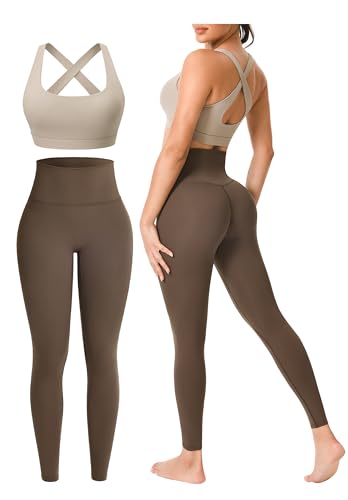
Budget activewear shoppers generally choose between two distinct garment categories based on daily routines. Compressive two-piece sets typically feature high-waisted seamless tights paired with a matching sports bra, creating a streamlined profile tailored for studio fitness. The snug fit minimizes fabric bulk and reduces chafing during repetitive leg movements. Products engineered with cross-back padded sports bras also distribute upper-body weight across the shoulder blades, reducing neck strain during extended gym circuits.
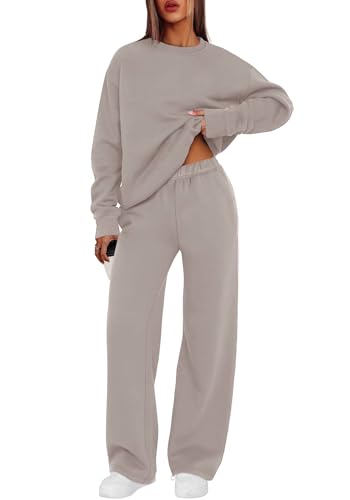
Relaxed sweatsuit sets take a completely different functional approach, prioritizing thermal warmth, modesty, and unconstrained movement. These outfits generally pair an oversized drop-shoulder sweatshirt with wide-leg sweatpants, offering generous hip and thigh clearance. The roomy silhouette makes them ideal for airport travel, running errands, or layering over gym attire on chilly mornings. For runners seeking versatile knee-to-calf coverage between gym sessions, consulting our cropped athleisure leggings guide can provide useful styling and layering alternatives.
Choosing between these two styles depends primarily on your activity environment and personal comfort preferences. Form-fitting seamless sets excel in high-heat studios where temperature regulation and full body awareness are critical. Loose sweatsuits shine in transitional weather, offering cozy lounge comfort and easy outfit coordination with standard sneakers. Many shoppers maintain both styles in their rotation to handle dedicated exercise and casual weekend outings effortlessly.
Inseam Proportions, Crop Lengths, and Hem Tension
Legging length significantly affects both athletic performance and visual proportions. Cropped capri lengths typically feature an inseam between 18 and 23 inches, designed to terminate neatly along the mid-calf muscle. This cropped cut provides superior ventilation compared to full-length tights while preventing the inner-thigh ride-up common with standard athletic shorts. However, the lower calf hem must feature adequate stretch recovery so it rests comfortably against the leg without cutting off lower-leg circulation.
Wide-leg sweatpants, by contrast, rely on an open hemline that drops straight from the hip down toward the ankle. This cut creates an elongating visual line while allowing unrestricted airflow around the shins and calves. Ensuring the pant length coordinates properly with athletic sneakers prevents hems from dragging on damp pavement or getting caught during light jogging. Checking listed inseam specifications against your own standing leg measurements helps avoid awkward puddling or unexpected ankle exposure.
Functional Storage and Seam Engineering
Practical utility details elevate budget-friendly activewear from basic clothing into indispensable daily apparel. Deep side drop-in pockets on sweatpants or leggings provide secure storage for modern smartphones, keys, and lip balm while on the go. Shallow pockets often allow heavier devices to slide out during brisk walking or car rides, creating needless inconvenience. Sturdy pocket construction with reinforced entry stitching ensures that carrying daily essentials does not warp the silhouette of the pant leg.
Seam construction also warrants close inspection when evaluating lower-priced athletic outfits. Performance leggings benefit greatly from four-needle flatlock seams or seamless circular knitting, which eliminate raised ridges along the inner thighs and prevent friction chafing. Loose sweatsuits require reinforced overlock stitching around the crotch and pocket joins to withstand repeated movement. Inspecting product close-ups for smooth, tidy thread lines provides an excellent clue regarding long-term seam strength.
Laundering Protocols to Prevent Pilling and Fiber Fatigue
Proper fabric care extends the usable lifespan of budget workout sets considerably. Synthetic fibers like polyester and spandex are sensitive to high heat, which can permanently break down elastane filaments and cause sagging. Washing activewear in cold water on a gentle cycle preserves textile elasticity and prevents vibrant dyes from bleeding. Turning garments inside out before washing protects the outer face from abrasive friction against zippers or coarse denim inside the machine drum.
Drying habits also directly influence whether budget activewear develops premature fabric pilling. High heat cycles inside a standard tumble dryer weaken synthetic yarns and encourage fuzzy fiber clusters along the inner thighs and underarms. Hanging sets to air dry or laying them flat preserves both fiber recovery and initial fabric softness. Avoiding liquid fabric softeners is equally important, as waxy conditioning agents coat synthetic fibers and inhibit their natural moisture-wicking capillary channels.
Navigating Sizing Variations Across Budget Retailers
Sizing consistency remains a common hurdle when shopping across diverse online activewear brands. Many budget sets feature a sculpting, compressive fit that hugs the torso and thighs tightly. If you prefer a relaxed feel or fall between standard measurements, sizing up provides greater comfort without sacrificing shape. Checking whether a brand offers inclusive sizing, from small up to extra-large or plus sizes, ensures you can find a proportional cut for your unique body type.
Reviewing specific garment dimensions such as bust circumference, sweatshirt length, and elastic waist stretch is far safer than relying on arbitrary letter sizes. An oversized crewneck top designed to cover the hips and belly requires adequate chest width to drape naturally. Meanwhile, wide-leg pants require sufficient rise depth to prevent uncomfortable pulling at the crotch seam when sitting. Taking two minutes to check a sizing chart against your favorite loungewear at home prevents unnecessary return hassles.
Practical Takeaways for Long-Term Activewear Value
Locating affordable workout outfits does not require settling for poor craftsmanship or uncomfortable synthetic fabrics. Focusing on proven fiber combinations, robust interlock knits, and secure high-rise waistbands allows you to identify dependable sets across digital marketplaces. Pairing high-compression seamless sets with relaxed fleece or rayon sweatsuits creates a well-rounded wardrobe suitable for intense gym sessions, travel, and casual lounging. Thoughtful laundering and attentive size selection ensure that even the most affordable activewear maintains its vibrant look and supportive fit through months of active use.



Write Your Review
No reviews yet. Be the first to share your experience!