


Achieving a balanced silhouette often comes down to mastering garment volume, especially when moving away from standard form-fitting activewear. Learning how to style loose shorts allows you to embrace relaxed athletic cuts and airy loungewear without losing your preferred body shape. Many everyday casual dressers appreciate how loose Bermuda lengths and airy basketball styles offer complete thigh coverage while preventing friction during daily movement. When you pair relaxed leg openings with the right foundational pieces, the overall outfit looks intentional and fashion-forward rather than overly baggy. Exploring flattering athletic fit options can also help you understand how subtle seam lines and fabric weight influence total outfit balance.
Fabric drape plays a major role in how loose shorts hang around the hips and waistline. Lightweight polyester blends and soft French terry fabrics move fluidly, while heavier twill or workwear fabrics create clean, architectural angles. The secret to styling wider silhouettes is anchoring the waist and playing with contrasting upper-body proportions. Whether you want a streamlined gym session ensemble, a relaxed coffee-run uniform, or a utilitarian streetwear look, balancing top layers and footwear completes the aesthetic. Taking note of waistband construction and leg length ensures you stay comfortable across all daily activities.


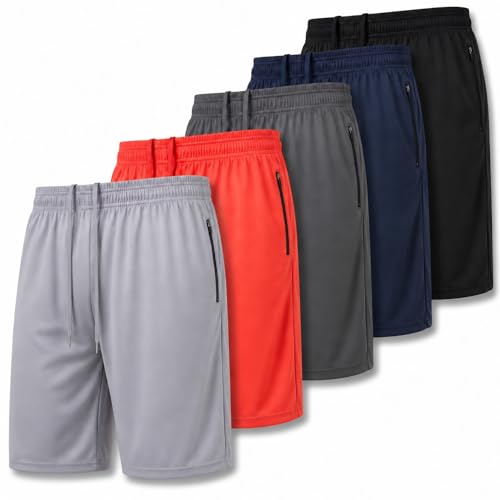
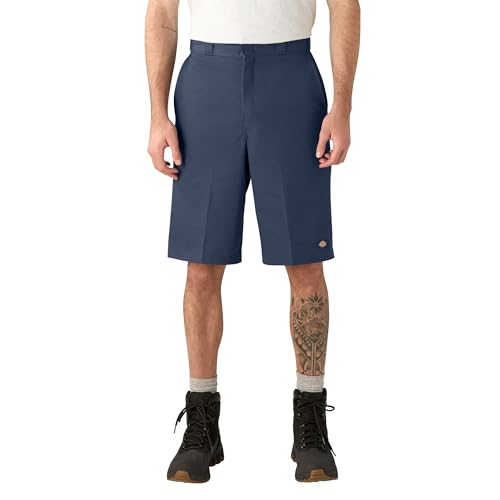

Practical Strategies for Styling Loose Shorts
Styling relaxed bottoms successfully relies on understanding volume contrast and garment architecture. When shorts feature generous thigh room and wide leg openings, the rest of your outfit needs deliberate focal points so your shape remains distinct. The primary rule of styling wider cuts involves creating clear visual anchors at your waist, ankles, or shoulders. By intentionally combining contrasting fits, textures, and layers, loose shorts transform from simple gym garments into elevated wardrobe staples.
Balancing Proportions with Cropped and Form-Fitting Tops
Pairing loose shorts with snug upper garments is the most reliable method for creating balanced visual proportions. Because loose Bermuda sweat shorts or mesh basketball cuts add horizontal width to the lower half, a fitted tank top, ribbed baby tee, or compression sports bra establishes definition above the waistband. This juxtaposition keeps the overall ensemble structured and prevents the fabric from overwhelming your natural silhouette. A close-fitting top also draws attention upward to the collarbones and shoulders, framing the torso effectively.
Cropped silhouettes work exceptionally well with high-waisted and mid-rise loose shorts. When the hem of a crop top sits right near the top edge of the waistband, it prevents unnecessary fabric bunching around the midsection. For those who prefer a bit more torso coverage, tucking a slim-fitting cotton tee completely into the waistband creates a similar tidy visual break. You can also layer an unbuttoned lightweight poplin shirt over a fitted crop top to introduce airy movement without adding bulk across the waist.
Defining the Waistline Using Elastic and Drawstring Details
Elastic waistbands with functional drawstrings provide an easy mechanism for defining the narrowest part of your torso. Cinching the drawstring tightly pulls the gathers inward, creating a gathered paper-bag visual effect that highlights waist-to-hip contours. Wearing high-waisted shorts just above the navel visually lengthens the legs, counteracting the downward pull of longer inseams. This simple adjustment ensures that relaxed Bermuda shorts drape smoothly over the hips rather than drooping at the pelvis.
When styling shorts with prominent ribbed or gathered waistbands, consider tucking in only the front hem of your shirt. This classic front-tuck technique reveals the hardware or drawstring knot while allowing the back of the shirt to drape naturally over the rear. The resulting drape offers flattering rear coverage while keeping the front profile clean and defined. You can also select tops with contoured side seams to accentuate your waistline without tucking excess fabric into the shorts.
Selecting Inseam Lengths for Flattering Silhouette Angles
Inseam measurements dramatically alter where the bottom hem breaks across your leg line. A nine-inch inseam generally falls just above the knee on average heights, providing full thigh coverage and preventing inner thigh chafing during long walks. Ten-inch cuts often sit directly across the kneecap or slightly below, delivering an authentic basketball streetwear silhouette. If you prefer utility aesthetics, thirteen-inch work shorts offer a long, boxy line that pairs best with substantial footwear and fitted upper layers.
Shorter frames often benefit from rolling the waistband once to raise the hem slightly higher on the thigh. Exposing an extra inch or two of leg skin prevents wider leg openings from visually shortening your stature. Taller individuals, on the other hand, can effortlessly wear extended knee-length profiles with standard crew socks and low-top trainers. Comparing high-waisted base layers can help you see how vertical rises alter perceived leg length across different body types.
Integrating Performance Base Layers and Seamless Support
Wearing supportive base layers underneath loose athletic shorts prevents riding up and enhances overall comfort during dynamic activity. Seamless biker shorts or contouring compression shorts fit smoothly under breezy mesh fabrics without creating visible ridge lines. These base layers provide light thigh control and sweat absorption during intense outdoor workouts or warm summer days. The inner layer stays close to the skin, allowing the outer loose short to float independently with natural stride movement.
A contrasting compression short hem peeking out slightly beneath a loose leg opening has also become a popular activewear trend. Pairing black bike shorts under bright pink or heather gray sweat shorts introduces an intentional, layered athletic vibe. This layered approach delivers modest coverage during floor stretches, squats, or sudden gusts of wind. In cooler climates, transitioning to lightweight running tights underneath loose basketball shorts keeps your muscles warm while preserving an athletic streetwear silhouette.
Elevating Utilitarian and Heavyweight Workwear Shorts
Rigid poly-cotton fabrics and heavy canvas work shorts require a different styling mindset than soft sweat shorts. Heavy-duty utility shorts feature distinct structural stiffness and deep cargo pockets that retain their boxy shape regardless of movement. To balance this structured weight, pair them with soft, feminine or minimalist tops such as ribbed knit tanks, fitted bodysuits, or clean jersey tees. The combination of rugged shop-ready fabric with refined, clean tops creates an interesting tactile contrast that looks effortlessly styled.

Footwear for heavyweight shorts should lean into substantial, grounded profiles rather than delicate sandals. Classic skate shoes, chunky leather retro sneakers, or lug-sole work boots anchor the dense fabric at the hem. Keeping the color palette neutral with navy, khaki, slate, or olive preserves the industrial charm of the garment. Rolling the bottom cuffs of stiffer utility shorts once or twice can also soften the rigid hemline and show off ankle definition.
Selecting Footwear and Sock Combinations for Lower-Body Balance
Footwear choices determine whether your loose shorts outfit leans toward retro sportswear, relaxed minimalism, or purposeful streetwear. Chunky dad shoes and platform sneakers provide visual weight that mirrors the broad leg opening of baggy shorts. Low-profile court shoes and vintage running trainers create a sleeker, lighter silhouette that emphasizes ankle slenderliness. Flat pool slides or supportive recovery sandals work well for casual beach days and post-workout lounge outfits.
Mid-calf crew socks have become an essential accessory for styling loose shorts of all lengths. Pulling ribbed white or heather grey crew socks upward visually bridges the gap between your footwear and the knee-length hemline. This styling trick breaks up the exposed shin area, making longer shorts look proportionally balanced on both petite and tall figures. In contrast, no-show socks provide an airy, warm-weather aesthetic that maximizes exposed skin for a breezy summer appearance.
Managing Pocket Utility Without Disrupting Fabric Drape
Deep pockets and cargo compartments add incredible functional value to loose athletic and utility shorts. Carrying heavy items like large smartphones, metal keychains, or wallets, however, can pull loose fabric down on one side and ruin your silhouette. Zippered slant pockets are ideal because the zipper track holds the opening flat against your hip when closed. When pockets are loaded with gear, securing the waist drawstring tightly prevents uneven sagging and keeps the waistband level across your hips.
For lighter sweat shorts with open slash pockets, distribute your small daily essentials evenly between both sides. Alternatively, carrying a compact crossbody bag or belt pack frees up your shorts pockets, allowing the fabric to fall naturally. When the side seams remain unencumbered by bulky gear, loose shorts maintain their intended drape and clean vertical profile. This attention to pocket bulk ensures that relaxed lounge shorts look intentional and sharp throughout the day.
Layering Outerwear for Transitional and Cool Seasons
Transitioning loose shorts into spring and autumn outfits requires strategic outerwear choices that complement wide leg openings. An oversized zip-up fleece or a boxy cropped hoodie pairs naturally with sweat Bermuda shorts for an effortless lounge aesthetic. To prevent your overall frame from appearing swamped in excess fabric, keep the sweatshirt unzipped over a fitted tank top. This open-front layering technique reveals your waistline while still delivering cozy warmth around your back and arms.
For a smart-casual twist, style tailored or structured loose shorts with a lightweight oversized blazer. Rolling the sleeves of the blazer and wearing a simple crewneck tee underneath blends formal tailoring with athletic relaxation. Lightweight windbreakers, chore jackets, and denim trucker jackets also offer excellent outerwear pairings for outdoor errands. You can explore performance apparel alternatives to discover which fabric weights harmonize best when layering seasonal activewear combinations.
Evaluating Fabric Weights: French Terry, Mesh, and Woven Blends
The textile construction of loose shorts fundamentally dictates how the fabric falls, drapes, and responds to styling. Moisture-wicking polyester mesh and dry-fit performance fabrics are exceptionally lightweight, producing soft ripples and fluid movement with every stride. These technical fabrics excel during gym sessions, outdoor runs, and high-heat summer days because they dry quickly and stay off the skin. However, their sheer lightness means they offer minimal structural hold, making form-fitting tops essential for contrast.
French terry and cotton-spandex sweat blends provide more substantial physical drape while remaining gentle against sensitive skin. The looped interior texture provides soft cushioning, while the smooth exterior face holds a crisp horizontal hemline. Woven poly-cotton twill provides the maximum structure, resisting wrinkles and maintaining a distinct A-line silhouette away from the legs. Choosing the right fabric weight depends on whether your priority is breathable athletic agility or structured casual everyday wear.
Monochrome and Tonal Color Strategies for Streamlined Outfits
Monochrome dressing is an effective styling tool for anyone worried that loose shorts might break up their vertical line. Pairing light grey sweat shorts with a matching grey crewneck or tank top creates an uninterrupted column of color. This tonal consistency lengthens the body visually, making relaxed Bermuda shorts appear sleek rather than overly casual. Subtle differences in textile textures, such as pairing a ribbed cotton top with smooth poly shorts, add depth to single-color looks.
If you prefer contrasting palettes, keep your accessories and footwear aligned with your top layer to frame the shorts. Wearing a white athletic bra, white sneakers, and white crew socks creates clean visual bookends around dark pink or navy shorts. Darker shades like charcoal, olive, and midnight navy naturally recede, minimizing perceived volume around the thighs. Brighter summer tones highlight relaxed shorts as the statement piece of your outfit, encouraging simpler, neutral companion pieces.
Ultimately, knowing how to style loose shorts centers on celebrating comfort while mastering balance and personal expression. Whether you prefer the breezy athletic function of ten-inch basketball cuts, the soft lounge ease of nine-inch Bermuda sweat shorts, or the durable grit of utility workwear, intentional styling makes all the difference. Balancing loose leg volume with snug tops, defining your natural waistline, and pairing your look with complementary footwear will ensure you look put-together every time you step out. Focus on high-quality fabrics and versatile silhouettes that support your daily movement and unique wardrobe preferences.


Write Your Review
No reviews yet. Be the first to share your experience!