


Keeping kids comfortable during high summer often involves balancing cooling airflow with adequate skin protection. Active outdoor days bring bright sunlight, rough playground turf, and evening mosquitoes, making bare legs vulnerable to scrapes and insect bites. Choosing what to wear in summer to cover legs requires lightweight materials that shield delicate skin without trapping excessive body heat. Exploring versatile kids leggings for play and school helps parents find durable garments that handle active movement while staying comfortable under high temperatures.
Breathable textiles like airy cotton blends and vented athletic knits allow children to stay covered while remaining cool during warm afternoons. Pairing lighter garments such as white leggings for kids with loose tees reflects direct sunlight and minimizes heat retention. Careful selection of waistband tension, flatlock seams, and flexible stretch ensures full mobility across playgrounds, summer camps, and outdoor adventures. Evaluating fabric weight and cut makes finding reliable warm-weather legwear simple and stress-free for caregivers.

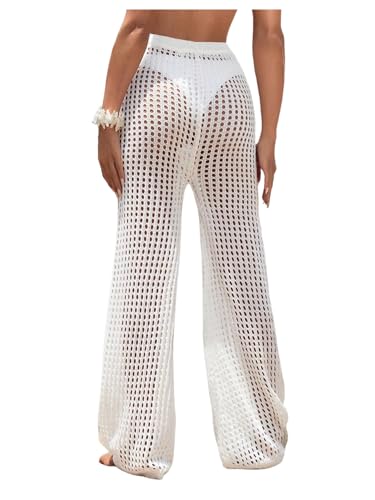


What To Wear In Summer To Cover Legs: Practical Legwear Choices for Warm Weather
Finding suitable legwear for warmer days requires balancing cooling ventilation with adequate barrier protection against outdoor elements. Many caregivers discover that lightweight natural fibers, cropped silhouettes, and specialized athletic weaves allow children to maintain necessary leg coverage without feeling overheated. Understanding how specific fabric structures, lengths, and construction details interact with heat helps families select functional clothing tailored to sunny outdoor activities.
Why Children Need Leg Coverage During Warm Summer Months
Summer activities regularly expose young adventurers to hazards that make complete leg coverage preferable over bare skin. Playground equipment like metal slides and textured climbing platforms often becomes uncomfortably hot under direct midday sun. Artificial turf and rubberized playground surfaces can also cause abrasive friction burns when children tumble. Lightweight pants or leggings create a physical barrier that reduces scrapes and skin irritation during vigorous outdoor games.
Insect defense provides another compelling reason to cover legs during warm summer outings. Biting flies, mosquitoes, and ticks naturally target lower extremities when children play in grassy parks or wooded backyards. While insect repellent sprays offer valuable assistance, a physical fabric layer serves as a dependable primary shield against bites. Snug legwear tucked neatly into socks helps minimize direct exposure during nature walks or evening camp activities.
Sun sensitivity and long hours of outdoor recreation also encourage the use of summer leg coverings. Sunscreen applied to active youngsters frequently rubs off with sweat or outdoor water play. Garments made from tightly woven knits provide reliable shade for delicate skin during long mornings at the park. Selecting breathable leg coverings helps children stay outdoors without the discomfort of sunburned knees and calves.
Lightweight Legging Fabrics: Balancing Airflow and Protection
Fabric composition remains the most critical factor when selecting warm-weather leg coverings for young wearers. Natural fibers like combed cotton provide excellent softness, natural air permeability, and dependable breathability against sensitive skin. Investing in quality breathable cotton leggings allows continuous air circulation that prevents heat buildup around the thighs and calves. Cotton blends featuring a minor percentage of elastane or spandex maintain their shape throughout vigorous play without restricting movement.
Synthetic performance blends, including polyester and nylon microfibers, offer distinct advantages for high-energy activities. These technical textiles do not absorb moisture like pure cotton, instead transporting sweat rapidly away from the skin surface to evaporate quickly. Modern synthetic weaves engineered for warm climates feel featherlight against the legs and dry rapidly after water sprinkler games or splash parks. Caregivers comparing everyday wear against high-sweat sports can choose the fabric that best aligns with the day’s planned activities.
Fabric density, commonly measured in grams per square meter, dictates whether a garment feels breezy or stifling in the summer heat. Heavy winter tights and fleece-backed fabrics must be set aside in favor of single-knit jersey or ultra-thin interlock weaves. Examining product descriptions for terms like featherweight or summer knit helps identify pieces that will not weigh a child down. Testing fabric translucency against daylight confirms that a lightweight garment remains sufficiently opaque for public wear.
Capri and Cropped Cuts vs Full-Length Styles
Cropped silhouettes offer a practical compromise between the breezy comfort of shorts and the protective coverage of full-length trousers. Capri-length leggings typically end mid-calf, keeping the knees shielded from abrasive playground surfaces while leaving the lower leg free to catch cool breezes. This intermediate cut works particularly well for school dress codes that mandate knee coverage while allowing relaxed warm-weather attire. Children also appreciate the lighter feel around their ankles during humid morning recess periods.
Full-length leggings remain essential for activities requiring comprehensive protection from the waist down to the shoes. Forest trail hikes, soccer training on rubber pellet turf, and bike riding through overgrown paths benefit from complete shin and ankle coverage. Light-gauge full-length options prevent trail grit and flying pebbles from irritating lower legs during fast-paced outdoor games. Selecting a tapered ankle cuff keeps excess fabric from catching on bicycle chains or tripping active runners.
Personal preference and activity transitions often dictate whether a child prefers cropped or full-length cuts on any given day. Caregivers stocking a summer wardrobe typically find value in keeping both styles readily accessible in the closet. Comparing everyday cotton styles across different inseam lengths helps determine which proportions work best for a child’s height and daily routine. Reviewing garment measurement charts ensures the hem falls comfortably across the calf without binding into the knee crease.
Athletic Knits, Mesh Panels, and Moisture Management
Technical activewear incorporates specialized engineering to keep young athletes cool under intense summer exertion. Garments featuring laser-cut perforations or integrated mesh inserts along the outer calf or behind the knees promote targeted air exchange. These strategic ventilation zones allow rising heat to escape continuously while maintaining full coverage over high-abrasion areas like the knees. Young runners, gymnasts, and field sport participants benefit substantially from this zone-specific cooling technology.
Moisture-wicking yarn treatments actively pull perspiration off the skin and disperse it across a broad surface area for rapid drying. When children run continuously under hot conditions, cotton can become damp, heavy, and prone to causing skin chafing along the inner thighs. High-performance polyester or polyamide blends prevent moisture pooling, keeping the child dry and preventing friction-induced skin redness. Inspecting product labels for quick-drying designations helps pinpoint pieces capable of handling rigorous summer camp schedules.
Fabric recovery and four-way stretch characteristics play an equally vital role during active summer recreation. Children constantly squat, climb, tumble, and stretch during spontaneous playground games, demanding apparel that flexes freely in all directions. Quality athletic knits return instantly to their original shape rather than bagging at the knees or sliding down the hips. Checking that elastic fibers run horizontally and vertically ensures uninhibited freedom of movement throughout energetic play sessions.
Addressing Sun Safety, Bugs, and Outdoor Play Demands
Ultraviolet protection represents a major health consideration for children spending extended hours under direct sunlight. While all opaque fabrics offer some level of shade, garments with documented ultraviolet protection factor ratings provide verified defense against both UVA and UVB rays. Darker dyes and tighter textile weaves naturally block more solar radiation than sheer or open-knit alternatives. Selecting protective clothing simplifies sun safety by eliminating the continuous struggle of applying lotion to squirming kids.

Outdoor summer environments also present physical wear challenges that test the integrity of thin warm-weather fabrics. Playground gravel, wooden mulch, and asphalt surfaces quickly chew through fragile, paper-thin garments that lack durable fiber construction. Reinforced knee panels or double-layered stitching in high-wear zones help extend garment lifespan across a demanding summer season. Choosing sturdy yet breathable weaves prevents small snags from blossoming into gaping holes after a single trip down a rough slide.
Camp dress codes and specialized recreational facilities often establish explicit clothing requirements for children during summer sessions. Many gymnastics gyms, climbing centers, and indoor trampoline parks require long pants or tights to maintain hygiene and prevent equipment burns. Having reliable lightweight coverings on hand ensures a child complies with facility rules without becoming uncomfortably warm. Reviewing facility guidelines ahead of time avoids last-minute wardrobe adjustments on busy summer mornings.
Adult Beachwear Listings vs Verified Children’s Sizing
Shoppers searching for warm-weather legwear frequently encounter search results featuring adult resort wear, crochet pants, and beach coverups. Commercial listings often highlight adult items like loose crochet trousers or bathing suit tunics designed strictly for adult women. These adult garments utilize mature proportions, open decorative lace weaves, and loose draping intended for poolside lounging rather than vigorous playground play. Purchasing an adult coverup for a young child creates severe fit problems, as excessive inseam lengths and loose waistbands present serious tripping hazards.
Decorative crochet and open-weave coverups also fail to provide the functional protection children actually require during outdoor activities. The large eyelets and hollow cutouts in adult crochet pants allow direct sunlight and biting insects to reach the skin unimpeded. Furthermore, these open patterns snag easily on playground equipment, branches, and fence links, creating safety hazards during energetic climbing. Caregivers must look past general summer search results to confirm that garments are specifically engineered for children’s safety and body dimensions.
Verifying manufacturer size charts and listed age categories ensures that a chosen garment matches a child’s true physical measurements. Children’s apparel brands design waistbands, hip proportions, and rise depths around the straighter silhouettes of growing youth. Checking documented garment waist circumference and inseam length prevents the frustration of receiving oversized adult items. Focusing strictly on verified children’s apparel guarantees appropriate modesty, secure fit, and durable functionality.
Waistband Design, Seam Construction, and All-Day Movement
The construction of a garment’s waistband directly influences whether a child willingly wears it throughout a long, hot day. Wide, flat elastic bands distribute pressure evenly across the abdomen without rolling over, digging into soft skin, or pinching. Narrow, exposed elastic strips tend to twist inside the casing and leave red pressure marks when heat and perspiration soften the skin. Encased waistbands lined with soft, breathable cotton jersey prevent friction and keep young wearers content during hours of play.
Seam placement and stitching style represent another crucial comfort benchmark for warm-weather kids’ clothing. Traditional raised, bulky seams rub against sweaty skin during repeated leg movements, frequently resulting in painful inner-thigh chafing. Premium activewear and comfortable playwear feature flatlock stitching that lies completely flush against the fabric surface. Tagless waistline labels further reduce sensory irritation, ensuring a smooth, distraction-free interior that lets children focus entirely on their games.
The rise depth of the garment must accommodate natural bending, crouching, and sitting on playground swings without pulling down. Mid-rise to high-rise cuts provide continuous rear coverage when kids sit cross-legged on picnic blankets or bend over during outdoor exploration. A well-designed gusseted crotch insert relieves stress on central seams, preventing awkward pulls and tears during wide-legged climbing maneuvers. Evaluating these structural details ensures the garment moves with the child rather than fighting against their active body.
Color Choices, Heat Absorption, and Visual Opacity
Garment color significantly impacts how much thermal energy a child absorbs while playing under direct sunlight. Dark shades like black, navy, and charcoal absorb significant solar radiation, warming the fabric and raising the wearer’s surface body temperature. Light hues such as white, heather gray, pastel mint, and soft blush reflect incoming light waves, helping the child stay noticeably cooler. Selecting cheerful, light-toned palettes provides both thermal benefits and a classic, summery aesthetic for vacation outings.
Lighter fabrics demand careful scrutiny regarding visual opacity and modesty, especially when stretched over knees and hips. Inexpensive thin white or pastel tights can become nearly transparent under bright midday light when a child bends or sits. Testing opacity by placing a hand inside the garment under strong lighting reveals whether the knit maintains adequate coverage. High-quality summer apparel utilizes dense, micro-fine yarns that block light transmission while preserving a thin, airy overall hand feel.
Print patterns offer an ingenious way to blend light background shades with dependable visual opacity. Cheerful floral motifs, geometric stripes, and watercolor prints diffuse light, preventing undergarments from showing through thin summer textiles. Patterns also excel at disguising the inevitable grass stains, dirt splatters, and ice pop drips that accompany enthusiastic summer recreation. Incorporating colorful patterned pieces into a warm-weather wardrobe adds visual charm while reducing laundry stress for busy parents.
Care and Washing Guidelines for Summer Playwear
Summer clothing endures rigorous wear cycles, encountering sweat, chlorine, sunscreen lotions, and outdoor grime on a daily basis. Washing garments promptly after heavy outdoor use prevents acidic sweat and chemical residues from degrading delicate elastane fibers. Turning pants inside out before placing them in the washing machine protects outer prints and minimizes surface pilling against other laundry items. Using gentle, fragrance-free detergents helps preserve fabric softness while safeguarding the sensitive skin of young wearers.
Water temperature and drying techniques dramatically influence the longevity and stretch recovery of lightweight summer legwear. Washing in cold water cleans effectively while preventing shrinkage and preserving the vibrant colors of summer patterns. High dryer heat poses a significant threat to synthetic stretch fibers, frequently causing elastic threads to snap and leading to sagging waistbands. Line drying or laying lightweight garments flat in shaded outdoor areas preserves elastic integrity and allows items to air out naturally.
Addressing stubborn outdoor stains promptly ensures that favorite summer pieces remain wearable throughout the entire season. Grass and red clay marks should be pre-treated with mild stain removers before entering the standard wash cycle. Avoiding chlorine bleach preserves both fiber strength and bright textile dyes across repeated washing cycles. Following documented garment care labels guarantees that lightweight summer essentials maintain their shape, softness, and protective qualities until the school year begins.
Practical Selection Checklist for Caregivers
Caregivers preparing for warm-weather adventures can streamline their purchasing decisions by reviewing a few core criteria before buying. Prioritize featherweight, breathable fabrics like high-percentage cotton jersey or moisture-wicking synthetic microfibers that let air circulate freely. Confirm that the garment features a non-rolling elastic waistband and smooth flatlock seams that eliminate friction against warm, sensitive skin. Select appropriate lengths, balancing the airy comfort of capri cuts against the comprehensive barrier protection offered by full-length styles.
Always cross-reference a child’s actual body measurements with the seller’s specific size chart rather than relying solely on age approximations. Verify that product listings describe dedicated children’s garments rather than adult beach coverups or oversized novelty resort wear. Testing fabric opacity under natural light and opting for reflective, light-toned colors keeps young explorers cool, comfortable, and protected from morning camp through evening twilight. Choosing thoughtfully engineered leg coverings ensures that children enjoy uninterrupted summer fun in complete comfort.


Write Your Review
No reviews yet. Be the first to share your experience!