


Fit through the waist and hips often dictates how confident an athlete feels during rigorous training sessions. When you search for where to buy sportswear, sorting through endless digital storefronts can quickly become overwhelming without clear evaluation criteria. Active shoppers frequently encounter inconsistent fabric descriptions, confusing sizing guidelines, and exaggerated marketing claims regarding body sculpting. Understanding how different retailers organize their athletic inventory can save valuable time and eliminate buyer regret. Identifying dependable athletic apparel requires a closer look at seam construction, material elasticity, and practical garment utility.
Modern workout wardrobes demand a dependable balance between aesthetic appeal and durable performance across demanding exercise routines. Many fitness enthusiasts pair functional layering tops with flattering athletic leggings to build versatile outfits suitable for both high-intensity gym sessions and casual daily wear. Quality sportswear should maintain its structural shape through repetitive wash cycles while providing breathable flexibility during dynamic movement. Paying attention to tangible design specifications helps you select items that handle real athletic stress. This focused approach ensures your sportswear investment delivers genuine comfort and long-term utility.


Practical Sourcing and Selection Guide for Modern Sportswear
Finding the right retail source for fitness apparel depends heavily on your specific training goals, wardrobe preferences, and gear requirements. Active individuals often wonder whether large online platforms, direct manufacturer storefronts, or specialized sporting goods retailers provide the best overall value. Rather than buying randomly based on attractive lifestyle imagery, evaluating structural details like fabric density, zipper mechanics, and seam orientation leads to much better purchases. Making informed decisions allows you to build an athletic wardrobe that supports daily training without sacrificing comfort.
Evaluating Online Marketplaces and Specialty Activewear Outlets
Major digital marketplaces offer an enormous variety of athletic apparel, bringing independent brands and large manufacturers together under a single search portal. These platforms make it simple to compare customer feedback, verify return policies, and inspect multiple color variations before committing to an order. However, product listings across large retailers can vary dramatically in descriptive accuracy and material transparency. Discerning shoppers check whether a seller provides concrete fabric specifications rather than relying solely on promotional buzzwords.
Specialty fitness boutiques and niche workout brands tend to focus on targeted design solutions, such as specialized body-contouring cuts or sport-specific gear bags. While these dedicated outlets may feature narrower catalogs, their product descriptions usually detail exact textile blends and tailoring methods. Direct brand websites also provide dedicated customer service teams who can answer technical questions about garment care and sizing accuracy. Checking both open marketplaces and specialized brand storefronts helps shoppers identify which seller format best fits their immediate needs.
Independent designer storefronts often feature creative graphical prints, unique colorways, and themed athletic accessories that stand out from conventional activewear collections. These boutique offerings frequently pair functional equipment structures with expressive lifestyle graphics suitable for commuting, coaching, or outdoor recreation. When shopping with specialized creators, reviewing production details and material durability ratings provides essential peace of mind. Balancing specialty designs with standard training staples gives your workout wardrobe both personality and functional reliability.
Understanding Garment Construction and Four-Way Stretch Materials
Textile composition serves as the foundation for any high-performing piece of athletic apparel. Garments incorporating four-way stretch technology allow the fabric to expand both crosswise and lengthwise, accommodating deep squats, lunges, and overhead mobility work. Cottony-soft fabric blends offer exceptional next-to-skin comfort, making them popular choices for layering tops and warmup apparel. However, buyers must ensure that soft-touch textiles retain adequate recovery properties so the garment does not sag or bag out after repeated use.
Synthetic polymers like polyester, nylon, and elastane are industry standards for moisture management and athletic endurance. Polyester fibers naturally resist water absorption, pulling perspiration away from the skin surface to promote faster evaporation during intense training. Elastane threads introduce vital elasticity, enabling slim-cut garments to hug the body without pinching or restricting natural range of motion. Checking the listed fiber percentages gives you a practical preview of how a garment will stretch, breathe, and recover during exercise.
Seam engineering is equally critical when evaluating sportswear durability under dynamic physical loads. Flatlock stitching and reinforced panel junctions prevent friction against bare skin, effectively minimizing the risk of exercise-induced chafing. Garments with ergonomic paneling distribute mechanical tension evenly across body curves, reducing stress on individual seams. Inspecting garment interior construction helps ensure your chosen apparel can withstand rigorous laundering and regular physical exertion.
Hemline Engineering, Waistbands, and Contoured Silhouettes
Apparel cut and hemline positioning dramatically influence how a piece of sportswear flatters your natural body shape. For instance, athletic jackets designed with a hemline that sits lower in the front and curves higher at the hips create an optical contouring effect across the rear and thighs. This specialized tailoring highlights natural curves without requiring restrictive, uncomfortable internal boning or rigid shapewear panels. Pairing contoured outerwear with high-rise gym leggings creates a balanced, streamlined silhouette that transitions seamlessly from the training studio to casual street settings.
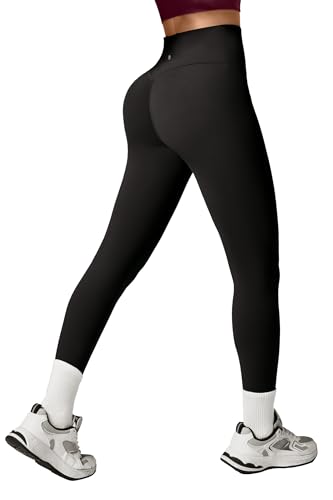
Waistband engineering plays an essential role in how workout bottoms and layered jackets stay in place during movement. Wide, reinforced bands distribute supportive pressure evenly across the midsection, preventing the garment from rolling downward during bending exercises. Seamless construction or high-rise cuts offer gentle abdominal smoothing while maintaining full flexibility for core engagement. Garments that incorporate thoughtful rise profiles stay properly anchored throughout running strides and plyometric drills.
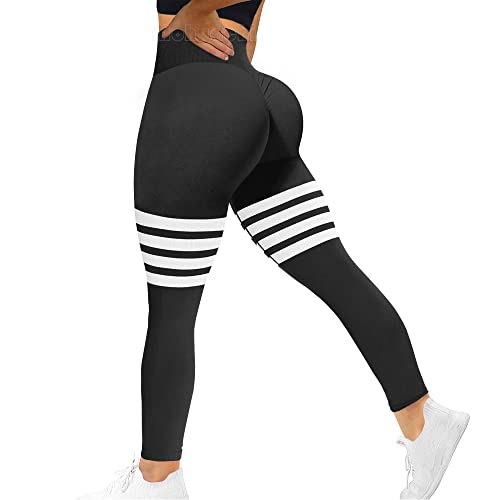
Visual contouring lines and structural paneling can accentuate muscular definition without altering your physical anatomy. Designers place contrast seams, curved yoke lines, and subtle ruching strategically to follow natural glute and hip contours. These design elements offer visual enhancement based purely on tailoring rather than medical compression or permanent body modification. Understanding how tailoring creates flattering silhouettes allows buyers to select styles that boost workout confidence naturally.
Storage Architecture in Athletic Packs and Utility Gear
Complete athletic preparation often requires dedicated gear bags to transport shoes, apparel, hydration bottles, and electronic devices. High-utility sports backpacks constructed from durable 600D poly PVC fabric provide reliable resistance against abrasion, tears, and damp locker room benches. Heavy-duty woven materials protect personal gear from environmental elements while maintaining structural rigidity over extended daily commutes. Investing in resilient pack materials ensures your athletic accessories endure heavy loads without premature stitching failures.
Compartment organization separates clean clothing from sweat-dampened workout items, preserving hygiene throughout busy training days. Dedicated ventilated shoe and gear compartments allow air circulation, which prevents trapped moisture and odor buildup after grueling field or gym workouts. Padded interior sleeves accommodate up to 18-inch laptops, enabling commuters and educators to transition smoothly between professional responsibilities and athletic sessions. Multiple separate storage zones keep delicate tech items secure while dirty trainers remain safely isolated.
Ergonomic carrying features make a substantial difference when transporting bulky equipment over extended distances. Padded shoulder straps distribute pack weight across the trapezius muscles, preventing painful focal pressure points during long walks. An adjustable sternum strap stabilizes the backpack against your upper torso, reducing side-to-side shifting while biking, running, or catching transit. Premium utility accents like matte coated zippers, integrated carry handles, and built-in fence hooks add daily convenience for gym visitors and field athletes alike.
Layering Pieces and Functional Details for Running and Training
Versatile activewear collections rely heavily on adaptable layering pieces that accommodate fluctuating body temperatures before, during, and after workouts. Slim-fitting, cropped athletic jackets provide light insulation during outdoor warmups without adding excessive bulk or restricting arm drive. A high-collar neckline shields the neck against sudden chilly drafts, maintaining core warmth during early morning jogs. Full-zip front closures give athletes instant control over ventilation as exertion levels and body heat rise.
Small functional features often define the practical boundary between average athletic wear and exceptional performance pieces. Integrated thumbholes keep long sleeves anchored over the palms, preventing cuffs from riding up wrists during sprints or overhead stretches. Zipper garages, which enclose the top metallic pull in a soft fabric fold, eliminate irritating chin and neck chafing during high-cadence movement. Front and back supportive panels hold the garment securely in place, preserving a streamlined profile without sacrificing ease of movement.
Second-skin athletic tops provide gentle muscular support that reduces fabric flutter during windy outdoor sessions. These lightweight pieces serve as excellent standalone tops in mild climates or as base layers beneath weather-resistant shells during winter workouts. Because they pack down small, compact zip-ups fit effortlessly inside sports bags for post-workout errands or studio classes. Choosing tops with multi-purpose design features maximizes the utility of every item inside your athletic wardrobe.
Navigating Manufacturer Sizing Charts and Body Measurements
Sizing inconsistency remains one of the most frustrating challenges when ordering sportswear from digital retailers. Labeled letter sizes like small, medium, or large vary significantly between athletic brands and do not represent universal garment measurements. To achieve a secure fit, shoppers should take accurate body measurements using a flexible tape measure across the chest, natural waist, and widest part of the hips. Comparing your actual physical numbers against the manufacturer size chart prevents common fit problems like pinched waistbands or sagging inseams.
Selecting bottom layers requires paying close attention to both waist and hip ratios rather than relying solely on overall height or weight recommendations. Shoppers seeking supportive workout leggings often discover that checking fabric stretch recovery is just as vital as confirming the listed waistband width. If your personal measurements fall between two distinct sizes, selecting the larger option generally prevents excessive fabric shearing and opacity issues. Conversely, choosing the smaller size works best when you desire a snug, compressive hold for vigorous high-impact cardio.
Upper body apparel sizing requires checking shoulder width, arm length, and bust circumference to avoid restrictive movement. Cropped jackets and athletic tops with tailored hems should fit snugly across the torso without causing uncomfortable riding up along the ribcage. When reviewing manufacturer size specifications, note whether the product silhouette is categorized as compressive, slim-fit, or relaxed. Aligning your fit preferences with the documented cut of the garment ensures full athletic mobility during intense exercise.
Garment Care Practices to Maintain Elasticity and Shape
Proper laundering techniques are vital to preserve the elastic recovery and visual appeal of technical sportswear fabrics. Machine washing active garments in cold water prevents the breakdown of delicate elastane fibers that provide body-hugging stretch. Avoiding chemical bleaches and aggressive optical brighteners keeps vibrant colors rich while shielding synthetic coatings from premature degradation. Gentle washing cycles also minimize mechanical friction that can cause unsightly fabric pilling across high-wear friction zones.
Drying methods significantly impact the longevity of modern activewear pieces and performance layers. Tumble drying on low heat protects synthetic fabrics from heat-induced shrinkage and warping along zipper tracks. Many experienced athletes prefer air drying their technical tops and bottoms on flat drying racks to extend garment lifespan indefinitely. High drying temperatures can weaken elastic seams, soften adhesive logos, and distort curved hemline construction over time.
Heavy-duty sports bags and backpacks require specialized cleaning approaches due to their rigid structures and coated fabrics. Spot cleaning 600D poly PVC material with a damp microfiber cloth and mild detergent removes dirt without compromising internal water-resistant barriers. Allowing sports packs to air out completely after sweaty training sessions prevents mold development within enclosed laptop sleeves and shoe pockets. Following documented care instructions protects your investment and ensures your gear remains fresh for everyday athletic demands.
Balancing Budget Constraints with Performance Needs
Navigating sportswear price points requires distinguishing between marketing markups and genuine manufacturing quality. Budget-friendly activewear pieces frequently deliver impressive comfort, functional four-way stretch, and stylish silhouettes for routine gym workouts and casual lounging. However, lower-cost options may omit advanced features like waterproof coated zippers, ergonomic sternum clips, or intricate moisture-wicking weaves. Identifying your primary workout needs helps you decide whether an economical staple or a feature-packed investment piece provides better daily value.
Smart activewear purchasing involves allocating your budget toward items that endure the most physical strain during training. Essential foundation pieces like supportive bottoms and heavy-duty gym bags warrant careful evaluation of structural durability and fabric thickness. Meanwhile, graphic statement pieces and lightweight layering jackets offer stylish versatility without demanding premium spending. Prioritizing construction integrity and verified fabric resilience ensures your sportswear collection stays functional across seasons of hard training.
Selecting where and how to purchase activewear ultimately comes down to understanding garment engineering, textile resilience, and your personal training routine. Taking time to verify manufacturer sizing charts, check fabric blends, and inspect seam construction helps eliminate costly return cycles. Whether you are assembling a studio-ready outfit with flattering lines or packing an all-in-one sports backpack for the daily commute, informed shopping guarantees reliable athletic performance. Focus on clear physical specifications, and your sportswear will deliver lasting comfort through every workout.




Write Your Review
No reviews yet. Be the first to share your experience!