


Navigating activewear options can feel overwhelming when balancing fit, fabric quality, and functional features. Knowing where to buy workout clothes for women involves identifying which retail avenues deliver true performance without relying on misleading marketing claims. Many shoppers look for tops made from breathable synthetic blends and leggings that provide dependable hip and waist coverage. Balancing these expectations requires understanding manufacturer sizing charts, stretch recovery, and exact fiber percentages.
Online retailers frequently stock versatile activewear collections, including matching sets with tummy control panels and casual loose-fit training shirts. Exploring dependable high-waisted leggings options can help you build an adaptable gym rotation that holds up through intense sessions and casual lounging. Looking at product details such as four-way stretch, sun protection ratings, and side slit hems makes selecting activewear straightforward. With the right criteria, you can secure dependable gym apparel suited to your routine.




Navigating Where to Buy Activewear for Women: Marketplaces, Direct Brands, and Fitness Retailers
Finding reliable fitness apparel requires understanding how retail platforms curate their inventory, verify seller claims, and present technical garment specifications. Rather than settling for ambiguous product listings, modern shoppers need clear markers of fabric quality, functional tailoring, and transparent sizing data. Identifying the right retailer depends on whether you prioritize bulk athletic tops, specialized sculpting sets, or moisture-wicking outdoor layers. Evaluating each shopping channel by its return policies, customer feedback transparency, and material disclosures ensures you invest in gear that withstands routine gym training.
Evaluating Online Marketplaces for Budget-Friendly Gym Staples
Major digital marketplaces provide an expansive catalog of athletic wear, offering quick access to everyday essentials like multi-pack tops and standalone performance shirts. Brands like NebuKinex, Sampeel, and XIEERDUO utilize these hubs to distribute versatile tops featuring technical synthetic knits at accessible price points. Shoppers benefit from centralized storefronts where they can compare different sleeve lengths, neckline cuts, and fabric weight specifications side by side. However, the sheer volume of listings means buyers must actively cross-reference fabric percentages to avoid unverified synthetic blends.
Navigating these marketplaces successfully involves reviewing detailed product descriptions rather than relying solely on marketing titles. Product listings should explicitly outline key material details, such as a composition of 95% polyester and 5% spandex, which indicates appropriate athletic stretch and recovery. Checking user-submitted sizing observations also helps identify whether an item runs loose or features an oversized silhouette. Because marketplace sellers often update sizing charts independently, confirming current measurement tables remains an essential step prior to purchasing.
Direct-to-Consumer Fitness Brands Versus General Apparel Stores
Dedicated fitness brands tend to design their garments around specific training demands, prioritizing technical yarn engineering and divisional compression over fast-fashion trends. These specialized outlets often focus on complete workout systems, offering matching sports bras and leggings engineered with coordinated tension zones. In contrast, general fast-fashion apparel stores frequently produce athleisure items that prioritize visual aesthetics over functional moisture management. Choosing between these channels depends heavily on whether your workout routine involves high-sweat cardiovascular training or light studio stretching.
Return logistics and inventory reliability also vary significantly between dedicated fitness retailers and broad-market clothing outlets. Fitness-focused retailers typically provide clear guidance on squat-proof opacity, waistband tensile strength, and high-impact bust support. General department stores may carry broader size selections, but their activewear sections often feature basic cotton-heavy fabrics that absorb moisture rather than wicking it away. Evaluating the primary purpose of your gym wardrobe helps clarify which retail channel best aligns with your practical training needs.
Understanding Fabric Compositions: Polyester Versus Nylon Blends
Fabric composition plays a defining role in how activewear manages moisture, stretches under tension, and retains its shape over repeated wear. Many athletic shirts, such as those produced by XIEERDUO and Sampeel, utilize a lightweight blend of 95% polyester and 5% spandex. This specific ratio delivers dependable sweat evaporation and a smooth, skin-friendly texture that minimizes chafing during high-repetition exercises. Polyester fibers naturally resist water absorption, pulling moisture away from the skin so the fabric dries quickly during intense conditioning sessions.
Nylon-rich blends present distinct functional benefits, particularly in high-support bottoms and two-piece training sets. For instance, sets crafted from 60% nylon, 35% polyester, and 5% elastane, such as the OLCHEE two-piece set, offer solid mechanical durability and high tensile rebound. Nylon yarns feel noticeably softer against the skin while providing higher abrasion resistance against barbell knurling or gym floor surfaces. Incorporating polyester into the nylon matrix enhances moisture dissipation, creating a balanced fabric that combines structural strength with active ventilation.
The percentage of elastane or spandex directly dictates how easily a garment accommodates deep squats, lunges, and overhead reaches. A five-percent elastane ratio offers balanced four-way stretch without causing the garment to lose its original shape or develop saggy knees over time. It is vital to note that higher stretch percentages do not automatically translate to stronger compression. True muscular support depends on the fabric’s knitting density and stitch architecture rather than the elastane percentage alone.
Decoding Butt-Lifting and Compression Claims in Workout Sets
Garment listings frequently highlight butt-lifting and body-shaping features, yet understanding the mechanical construction behind these terms helps set realistic expectations. Leggings labeled with butt-lifting claims typically employ strategic knitting techniques, such as rear contour shading, subtle gathering, or curved yoke seams. These design choices visually frame the gluteal muscles and provide subtle lift through fabric tension rather than causing any permanent physical change. When searching for functional bottoms, evaluating supportive contour leggings provides insight into how strategic seams and elastic recovery work together without restricting hip mobility.
Divisional compression represents another advanced manufacturing method utilized in technical activewear sets. By altering the knit density across different zones, manufacturers can apply firmer holding pressure across the abdomen while maintaining flexible elasticity over the glutes and quadriceps. This differential knitting provides midsection stability during core exercises without flattening or compressing the hips uncomfortably. A supportive back cross-strap sports bra complements this construction by distributing shoulder pressure evenly and preventing strap slippage during dynamic motion.
Shoppers should distinguish between true medical compression and athletic supportive wear. Activewear compression aims to stabilize working muscles, reduce fabric shifting, and create a snug, held-in feeling during exercise. It does not provide certified vascular benefits or substitute for clinical graduated compression garments. Recognizing this distinction prevents common buyer frustrations and ensures your activewear selections provide comfortable, reliable athletic support.
Key Construction Details: Necklines, Curved Hems, and Side Slits

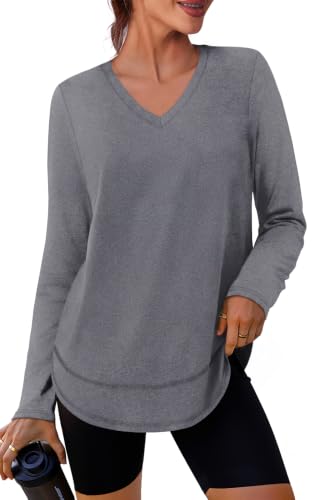
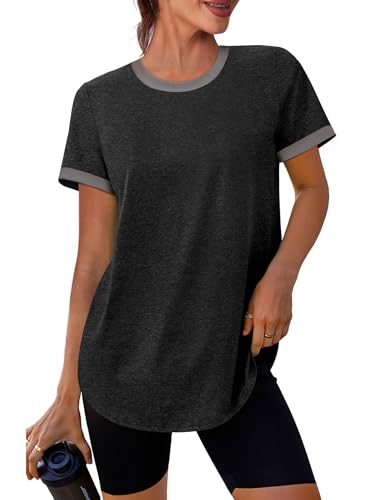
The silhouette and hem construction of athletic tops significantly influence your range of motion and comfort throughout a workout. Tops featuring curved hems and side slits offer generous hip coverage while preventing the fabric from bunching up around the waist during squats or bends. The loose cut common in shirts from brands like XIEERDUO and NebuKinex allows air to circulate freely around the torso, promoting continuous cooling. This relaxed drape also offers a modest fit that pairs naturally with form-fitting high-waisted leggings or athletic shorts.
Neckline design also affects comfort during varied training styles, from studio Pilates to outdoor running. Athletic V-neck cuts reduce fabric friction around the throat and allow for easy heat dissipation during cardiovascular workouts. Other designs incorporate sporty contrast trim along crew necklines and sleeve cuffs, adding aesthetic polish that transitions easily from the gym to casual daytime errands. Choosing the right neckline ensures your top remains secure without shifting awkwardly when bending forward or performing floor exercises.
Sun Protection and Moisture-Wicking for Outdoor and Studio Training
Activewear engineered with built-in UPF 50+ sun protection provides an essential defense layer for outdoor running, hiking, tennis, or golf. Fabrics with high ultraviolet protection ratings reduce UVA and UVB ray transmission directly through the textile fibers. Many athletic tops from brands like NebuKinex and XIEERDUO feature this technology woven directly into their lightweight polyester-spandex yarns. This integration ensures protective coverage without requiring heavy, heat-trapping fabrics that could impair your athletic output.
Moisture-wicking capabilities rely on synthetic fibers that utilize capillary action to transport perspiration from the skin to the outer surface of the shirt. Once on the exterior surface, moisture evaporates rapidly, preventing the clammy chill that often occurs when resting between lifting sets. Maintaining these moisture-wicking and sun-protective properties requires avoiding fabric softeners during laundry cycles. Softeners coat synthetic fibers with a waxy residue that blocks the moisture channels and diminishes both breathability and drying speed.
Sizing Accuracy, Waist-to-Hip Ratios, and Inseam Considerations
Sizing discrepancies represent one of the most frequent challenges when purchasing activewear online. A labeled size such as medium or large does not correspond uniformly across different apparel manufacturers. Buyers must review specific manufacturer sizing charts, noting documented bust, waist, and hip parameters rather than relying on standard dress sizes. When purchasing coordinated two-piece sets, differences between upper and lower body proportions may require careful verification of the fabric’s rebound stretch to ensure a cohesive fit.
Waistband design directly determines whether leggings stay securely positioned during high-impact movement. High-rise waistbands constructed with inner elastic support or double-layered fabric panels resist rolling down during repetitive bending. Shoppers recovering from abdominal strain or seeking everyday midsection control often prefer gentle compression leggings because they provide light abdominal hugging without digging into the ribcage. Confirming your actual waist and hip measurements ensures the waistband settles naturally at the narrowest point of your torso.
Inseam measurements must also be considered alongside fabric stretch, as vertical elongation can alter how a garment settles along the ankle. Taller individuals should verify total length measurements to prevent unwanted cropping, while petite shoppers must check for potential ankle pooling. When selecting loose-fitting workout shirts, sizing down can provide a tailored look, whereas ordering your standard size preserves a breezy, relaxed drape. Always consult individual brand fit recommendations to determine whether a garment runs large or features a standard athletic silhouette.
Evaluating Multipacks Versus Standalone Specialty Pieces
Multipacks offer a practical and economical approach to building a dependable training wardrobe without repetitive shopping. Sets like the four-pack short sleeve athletic shirts from NebuKinex allow fitness enthusiasts to rotate clean gym tops daily without running frequent laundry cycles. These multi-item packages provide consistent fabric performance, reliable UPF sun protection, and uniform sizing across multiple versatile colorways. For individuals engaging in daily cardiovascular workouts, bulk packs deliver consistent utility and streamline morning wardrobe preparation.
Standalone specialty pieces, such as knit matching sets, prioritize targeted technical tailoring and distinctive visual details over pure volume. Coordinated sets often feature complex multi-tone knitting, adjustable strap systems, and integrated compression zones that are less common in standard multipack bundles. Incorporating both types into your fitness collection allows you to balance daily functional tops with specialized outfits tailored for studio classes or heavy lifting days. Assessing your weekly workout frequency helps establish the ideal balance between value bundles and targeted athletic pieces.
Care and Maintenance Practices for Synthetic Activewear
Proper garment maintenance preserves the elasticity, moisture-wicking efficiency, and color vibrancy of your synthetic workout clothing. Polyester and nylon blends containing elastane should always be washed in cold water on a gentle cycle to protect the delicate stretch fibers. Exposing spandex to hot water can degrade its structural rebound, leading to loose seams and permanent loss of fabric tension over time. Turning shirts and leggings inside out before washing minimizes surface abrasion against other textiles and reduces the likelihood of fabric pilling.
Drying practices are equally critical for maintaining the functional lifespan of technical activewear. High-heat tumble drying degrades synthetic yarns, causes seam puckering, and breaks down the elastane matrix within compression panels. Air drying on a flat surface or using a low-heat setting preserves garment shape and prevents premature fabric weakening. Following these conservative care steps ensures your workout tops and supportive leggings maintain their shape, vibrant colors, and performance benefits across routine training sessions.
Making the Right Purchase Decision for Your Fitness Routine
Selecting where to buy activewear ultimately comes down to matching specific platform strengths with your personal training objectives. Online marketplaces excel at providing broad variety, affordable multipacks, and rapid shipping for daily fitness essentials. Meanwhile, specialty fitness labels cater to athletes requiring high-density knits, divisional compression zones, and precise contour seam engineering. Taking time to inspect garment composition tags, size charts, and care requirements ensures every item added to your fitness wardrobe delivers lasting comfort and performance.
Building an effective workout wardrobe does not require overspending on brand prestige when accessible options offer verified technical specs. Prioritizing breathable polyester-spandex shirts with curved hem drapes and nylon-blend bottoms with dependable waistband stability yields a versatile activewear collection. By understanding fabric behaviors, construction nuances, and sizing dynamics, you can confidently navigate online retailers to find gear that supports your fitness goals. A thoughtful approach to activewear shopping guarantees durable, flattering apparel that performs consistently workout after workout.


Write Your Review
No reviews yet. Be the first to share your experience!