


Achieving a balanced silhouette in professional workwear often starts with understanding how garments hang from the hips and waist. Many shoppers struggle with slacks that pinch at the midsection while leaving excess, baggy fabric pooling around the ankles. When trousers fail to contour properly, they create distracting wrinkles, pull uncomfortably across the seat, or slide down during routine movement. Knowing the core indicators of a well-tailored pair helps you select garments that flatter your shape while ensuring day-long physical ease.
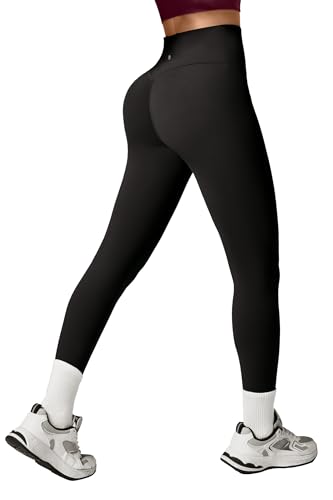
Modern office wear has evolved significantly, merging classic tailoring with flexible materials inspired by modern high-waisted apparel options that focus on ease of movement. When exploring how should dress pants fit womens, the primary goal is achieving clean lines without restrictive tightness or unflattering gaps. A well-proportioned pair of work slacks should complement natural body curves, rest securely at the waist, and drape smoothly over the thighs. Paying attention to rise, fabric composition, and hem break ensures you stay comfortable from morning meetings to casual evening outings.


The Definitive Guide to Women’s Dress Pant Fit and Proportion
Determining how should dress pants fit womens requires looking at four critical anchor zones: the waistband, the hip curve, the crotch rise, and the hemline. A proper fit means fabric skims the body smoothly without pulling into horizontal stress whiskers or draping so loosely that shape is lost entirely. When trousers fit correctly, you never have to constantly tug at the waist or adjust the cuffs throughout a busy workday. Understanding how each section of the trouser interacts with your proportions makes identifying quality workwear straightforward and dependable.
Evaluating Waistband Placement and Midsection Comfort
The waistband establishes the foundation for how trousers hang across the rest of the body. A high-rise style should sit comfortably near the natural waistline without digging sharply into the ribs or squeezing the lower abdomen. You should easily be able to slide two fingers flat beneath the waistband without forcing the fabric outward. If the waistband gaps openly at the small of the back, the trousers will continuously slide downward as you walk.
Waistband construction also dictates daily comfort, especially when comparing traditional button closures against modern pull-on formats. Garments featuring a wide, stretchy elastic waistband provide consistent support while eliminating hard metal buttons that press into the skin during extended desk sitting. Elastic waist designs maintain a smooth, flush profile against blouses and knit tops, preventing unflattering bulk under tucked garments. When paired with a decorative faux fly, pull-on trousers deliver the polished aesthetic of bespoke tailoring with the flexibility of leisure wear.
Hip and Seat Drape: Preventing Tension Lines and Flaring
The seat area requires sufficient volume to accommodate natural curves without stretching seams to their breaking point. When trousers are overly tight across the hips, they develop noticeable horizontal stress lines, often called smile lines or whiskers, that radiate from the crotch. These tension creases signal that the garment lacks adequate width across the widest part of the pelvic structure. Conversely, excess fabric in the rear produces an unflattering sag that undermines an otherwise professional presentation.
Pocket positioning serves as an immediate visual gauge for proper hip tension. On a correctly sized pair of slacks, side pockets lie flat and flush against the thigh without spreading open like wings. If the pockets pull open while you are standing still, the hip circumference is simply too narrow for your proportions. Choosing flexible slacks that combine smooth seat tailoring with garments with practical deep pockets allows you to carry daily essentials without distorting the visual drape of your workwear.
Crotch Rise and Pelvic Ease: Eliminating Front and Rear Bunching
The rise measurement dictates the vertical distance from the crotch seam up to the waistband in both the front and back. An improper rise is one of the most frustrating tailoring issues because it directly impairs mobility and personal comfort. If the front rise is too short, the fabric cuts upward uncomfortably, creating noticeable creasing and unwanted tension when walking. If the rise is cut too long, excess fabric pools into an awkward dropped crotch that rubs between the thighs.
The back rise must provide slightly more length than the front to curve neatly beneath the glutes. This extra length prevents the back waistband from pulling downward every time you sit in an office chair. A well-designed rise sits gently against the pelvic base without clinging tightly or hanging loose. Testing the rise while seated is essential, as fabric should remain smooth and stay firmly positioned without requiring awkward mid-day adjustments.
Thigh Proportions and Knee Clearance Across Tailored Silhouettes
Leg fit varies depending on the intended cut, but straight-leg trousers remain the industry benchmark for versatile professional styling. A straight-leg cut should fall cleanly from the widest point of the hip directly down to the ankle without tapering tightly around the calf. You should have at least one inch of loose fabric to pinch gently at the outer thigh when standing upright. This slight clearance ensures the fabric moves independently of your skin rather than gripping like athletic tights.
Knee clearance is equally important when navigating active workdays, commuting, or climbing stairs. Trousers that bind around the kneecap restrict joint articulation and cause the fabric to ride up permanently above your shoes. Straight-leg silhouettes provide balanced volume through the knee, allowing the trousers to drop back into place automatically when standing up from a chair. This natural fall maintains a crisp, uninterrupted visual line that flatters virtually every body type.
Inseam Length and Hem Breaks for Varied Footwear
The hemline defines where your slacks meet your footwear, and an improper length can instantly spoil an otherwise well-fitted outfit. Tailors categorize trouser lengths by how much fabric rests on the top of the shoe, known as the break. A slight break or no break creates a modern, clean look where the fabric barely touches the top of the instep. A full break features a deeper fold of fabric, which can look messy if the trousers are cut from lightweight fabrics.
Straight-leg slacks generally look best with a subtle break that brushes the top of your shoes without dragging on the floor. For traditional dress shoes or low block heels, the back hem should end roughly one-half inch above the bottom of the heel. When pairing slacks with casual flat shoes or minimalist sneakers, the hem should skim the ankle bone without puddle-like bunching around the foot. Trousers that drag on the ground will quickly fray and absorb street moisture, permanently ruining the fabric edge.

Shoe rotation should always be factored into your fitting decisions before you purchase or hem your trousers. If you alternate between three-inch pumps and flat commuting loafers, you may need dedicated slacks hemmed for specific heel heights. Alternatively, ankle-skimming straight trousers offer the versatility to transition effortlessly between flats and heels without awkward proportions. Taking time to test your slacks with your primary work shoes prevents accidental dragging and maintains a polished appearance.
Fabric Blend Dynamics: Structured Wovens Versus Four-Way Stretch Knits
Fabric construction fundamentally changes how work pants conform to your natural silhouette. Traditional woven fabrics like wool or cotton twill hold rigid structure and demand exact tailoring precision to avoid pulling. In contrast, modern performance blends featuring ninety-six percent polyester and four percent spandex offer four-way stretch that adapts dynamically to your movements. Shoppers who appreciate comfortable stretch trousers often find that stretch slacks bridge the gap between active flexibility and corporate polish.
The addition of flexible spandex fibers allows trousers to retain their shape throughout long work hours without bagging out at the knees or seat. Polyester fibers contribute lightweight breathability, resilience against wrinkles, and a fluid drape that mimics fine suiting. However, stretch fabric should still drape like tailored clothing rather than clinging to every contour like workout tights. The ideal stretch trouser skims the body, flexing when you sit or bend while instantly snapping back into clean vertical lines when you stand.
Subtle Tailoring Details: Pleats, Flat Fronts, and Faux Fly Accents
Design accents across the front panel influence both visual proportions and midsection comfort. Flat-front trousers create a sleek, streamlined profile that sits smoothly under fitted tops and blazers. Meanwhile, subtle front pleats add calculated ease, expanding slightly across the pelvis when seated to prevent tension across the lower stomach. Subtle pleating adds architectural interest, drawing the eye vertically and lengthening the visual appearance of the legs.
Faux fly fronts represent another smart innovation in modern business casual apparel. By omitting bulky metal zipper teeth and heavy slider hardware, a faux fly delivers a completely flat front surface while maintaining traditional tailoring aesthetics. This clean front design prevents the common zipper bulge that often occurs when sitting in stiff work slacks. You enjoy the refined look of classic trousers while benefiting from the smooth, uninterrupted lines of a pull-on garment.
The Movement and Ergonomics Test: Sitting, Walking, and Bending
A fitting room mirror only shows how trousers look while standing completely still, which rarely reflects real-world wear. A truly great pair of dress pants must perform effortlessly across a full range of daily physical motions. When trying on new slacks, sit down in a firm chair to evaluate how the fabric accommodates your hips and thighs. The waistband should remain securely positioned across your lower back rather than pulling down to expose your undergarments.
Next, take several brisk strides and try bending down as if picking up a dropped file or tying your shoe. The crotch and inner thigh seams should not bind, pull, or produce friction against your stride. If you feel resistance or pulling across your knees and thighs, you likely need to size up for better mobility. Quality slacks should move in complete harmony with your body, supporting your workday without generating uncomfortable pressure points.
Practical Pocket Utility and Visual Smoothness
Functional pockets are a non-negotiable feature for women who manage active work schedules. Unfortunately, many decorative slacks feature shallow pockets that cannot safely hold a modern smartphone or a set of keys. Deep, thoughtfully integrated front pockets provide essential utility without compromising the streamlined silhouette of your outfit. A well-designed pocket rests flat against the hip lining, keeping stored personal items secure and discreet.
Assessing pocket depth is simple during your initial fitting check. Slide your smartphone completely into the pocket while standing upright to verify that the top edge does not peek out awkwardly. Then, take a few steps to ensure the weight of the phone does not drag the waistband downward or create noticeable bulging across your upper thigh. Pockets that blend practical storage with clean tailored lines allow you to stay hands-free throughout your workday.
Identifying and Troubleshooting Common Fitting Discrepancies
Understanding common garment fit errors empowers you to distinguish between fixable tailoring problems and poorly proportioned slacks. The waist gap is perhaps the most notorious fit challenge, occurring when trousers fit the hips but leave several inches of open space at the spine. While traditional tailors can take in a rigid waistband, choosing trousers with built-in elastic stretch often resolves this issue straight off the rack. An adaptable waistband contours directly to the curve of the lumbar spine, eliminating hollow gaps entirely.
Fabric pooling around the lower legs indicates that the inseam is too long for your selected footwear height. While hemming is a relatively quick alteration, selecting slacks with a tailored straight leg minimizes the risk of awkward bunching. On the other hand, if trousers cling tightly around your calves and refuse to fall smoothly, the leg circumference is too slim for your build. In that situation, sizing up or seeking a wider straight-leg cut will instantly restore the clean, professional drape you desire.
Diagonal pulling across the lower abdomen, often called smile lines, confirms that the garment is too narrow across the front hip span. This stress pattern cannot be pressed out with an iron because it stems from inadequate fabric width. Similarly, if the rear center seam rides upward uncomfortably, the back rise lacks the necessary depth for your glute profile. Recognizing these visual markers ensures you invest only in slacks that deliver flattering proportions and uncompromising comfort.
Mastering the art of how women’s dress pants should fit ultimately comes down to balancing structural polish with personal physical comfort. When your slacks complement your natural shape, feature resilient stretch fabrics, and drape cleanly from waist to hem, getting dressed for work becomes completely effortless. Prioritizing correct rise, proper hip ease, and functional details ensures your professional wardrobe supports your dynamic routine every single day.




Write Your Review
No reviews yet. Be the first to share your experience!