


Finding athletic apparel that stays in place during intense movement can feel like an ongoing struggle. Many activewear shoppers encounter waistbands that roll down or hems that creep upward during simple squats and lunges. Knowing how to buy shorts with the right rise, compression, and seam placement makes a substantial difference in your daily workout comfort. Exploring proven high-waisted athletic styles can also help you understand which silhouettes provide dependable torso coverage and support.
Active shorts need to balance flattering visual lines with durable technical materials that handle sweat, friction, and repeated stretching. Evaluating structural details such as reinforced gussets and strategic rear contouring ensures your gear flatters your shape without restricting natural mobility. You should always look past broad marketing promises and carefully examine specific fabric blends, stretch percentages, and waistband measurements before ordering. Taking time to inspect these physical garment specifications protects your budget and helps you secure athletic apparel that truly performs.







Complete Guide on How to Buy Shorts for Fit, Function, and Flattering Support
Navigating activewear options requires an understanding of how fabric density, seam placement, and waistband architecture interact with your body. A pair of shorts that looks flattering on a hanger can easily slide down or become sheer during intense movement if the construction lacks sufficient recovery. Focusing on proven garment mechanics allows you to choose workout shorts that support your training routine while framing your natural curves. The following breakdown examines the critical technical elements you should evaluate before making a purchase.
Defining Your Primary Activity and Movement Demands
Different physical disciplines place unique structural demands on athletic apparel. High-impact running generates repetitive friction along the inner thighs, which calls for smooth flatlock seams and sweat-wicking synthetic yarns. Weightlifting and strength training require deep hip flexion, testing fabric opacity and rear seam elasticity across the glutes. Studio classes like yoga and pilates prioritize flexible comfort, minimal hardware, and waistbands that lie flat during floor inversions.
Casual wear and outdoor walking introduce different priorities, including breathable airflow and accessible storage. If you plan to wear your shorts for daily errands or travel, a slightly more relaxed leg cut may offer better all-day comfort. Functional gym sessions demand a secure, body-hugging compression fit that prevents the garment from shifting out of position. Identifying your primary use case prevents you from choosing a specialized design that fails during your workouts.
Selecting the Right Inseam Length to Prevent Ride-Up
Inseam measurement directly determines leg coverage and how the shorts behave when your body is in motion. Ultra-short designs featuring a two-inch or three-inch inseam maximize hip mobility and leg exposure, making them popular for sprint workouts and warm weather. However, shorter profiles carry a higher tendency to ride up toward the groin during standard walking or lunging. If you prefer minimal coverage, you must balance freedom of movement against the inconvenience of frequent garment adjustments.
Mid-length cuts with a four-inch to five-inch inseam offer a practical balance for general gym training by reducing inner thigh friction. For buyers seeking complete friction defense, six-inch to eight-inch biker shorts deliver full upper leg coverage that stays in place. Similar principles apply when exploring contour workout bottoms, where proper inseam length helps preserve visual seam symmetry across your quads. Testing how a hem sits against your leg ensures the shorts remain seated through full squat depth.
Evaluating Waistband Rise, Grip, and Roll Resistance
The waistband serves as the core anchor for any pair of athletic shorts. High-rise waistbands rest comfortably above the navel, providing consistent core coverage and preventing the garment from slipping downward during dynamic movements. Mid-rise cuts sit across the natural waistline, which some athletes prefer for unrestricted abdominal expansion during heavy breathing. Choosing between these rises depends on your torso proportions and personal comfort during exercise.
Waistband rolling typically happens when a waistband lacks internal structure or when the top seam is too tight for the wearer’s ribcage. Seamless ribbed bands often provide uniform, gentle compression that contours naturally over the hips without folding. In contrast, crossover and V-shaped waistbands offer a specialized aesthetic that accentuates the waistline while reducing downward pressure on the stomach. Buyers exploring modern supportive waistband designs often appreciate how contoured fronts accommodate natural waist movement during heavy lifts.
Rear Seam Construction: Scrunch, Ruching, and Contour Panels
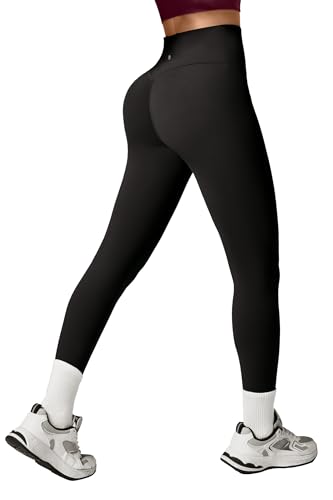
Rear seam engineering has transformed activewear by introducing targeted visual shaping and functional contouring. Traditional athletic shorts feature a straight vertical seam that can flatten glute curvature under tension. Scrunch-butt designs replace this flat seam with a gathered elastic channel running directly down the center back. This gathered construction allows the fabric to nestle between the glutes, visually separating and defining each cheek without compressing your natural shape.
Ruched detailing operates on similar mechanics but often distributes gathered stitching across curved lateral seams to soften surface shadows. Contour paneling utilizes curved shadow seams or contrasting knit shading positioned directly beneath the glute fold to create visual lift. However, shoppers must distinguish between visual enhancement and unrealistic promises of permanent anatomical change. Inspecting reinforcement stitching along the central ruching ensures the shorts withstand repeated squatting without snapping delicate threads.
Decoding Fabric Blends: Elastane, Nylon, and Knit Density

Fabric composition dictates how athletic shorts feel against your skin, manage moisture, and retain their shape over time. Most premium active shorts rely on a synthetic blend of nylon and elastane or polyester and elastane. Nylon provides superior tensile strength, a soft hand feel, and exceptional resistance against rough gym benches. Polyester excels at rapid moisture evaporation and color retention, making it well-suited for outdoor training in bright conditions.
The exact percentage of elastane or spandex determines the elasticity and recovery behavior of the garment. Shorts with ten to fifteen percent elastane typically deliver light, flexible stretch suitable for low-impact lounging or walking. High-performance workout shorts generally incorporate twenty to thirty percent elastane to create firm, supportive compression that snaps back after extension. Circular seamless knitting and dense interlock knits further enhance durability, ensuring the fabric resists snags and maintains its structure through routine gym sessions.
Opacity, Stretch Recovery, and the Squat-Proof Reality
Sheer fabric under tension is a common issue that undermines buyer confidence during gym sessions. When you descend into a deep squat, the rear fabric must expand horizontally and vertically across high-tension zones. If the yarn count is low or the knit is too loose, individual fibers separate and reveal undergarments or skin underneath. Checking opacity claims requires understanding that true squat-proof performance depends directly on accurate sizing and fabric weight.
Grams per square meter, commonly abbreviated as GSM, measures the physical density of activewear textiles. Lightweight summer fabrics often measure below two hundred GSM, offering excellent breathability but borderline opacity in bright overhead lighting. Medium to heavy textiles ranging between two hundred forty and three hundred GSM provide reliable coverage across full stretch cycles. Prioritizing verified four-way stretch fabrics in this weight range guarantees that your shorts maintain full opacity without bagging out across the seat.
Translating Waist and Hip Measurements into Accurate Sizing
Relying solely on standard letter sizing often leads to disappointing fit outcomes and unnecessary returns. Alpha sizes like small or medium vary widely across different activewear manufacturers and regional markets. You must obtain accurate body measurements using a flexible tailor tape placed flush against your bare skin. Measuring the narrowest point of your natural waist and the fullest circumference of your hips gives you objective baseline numbers.
Activewear buyers frequently encounter a fit mismatch where the waist falls into one size bracket while the hips require another. If you possess an athletic glute profile, choosing a size based strictly on your waist will overstretch the rear fabric. Overstretching shears out the knit, compromises opacity, and places extreme tension on delicate scrunch stitching. Comparing your numbers against manufacturer size charts and prioritizing hip fit ensures adequate rear coverage while preventing tight leg bands from pinching.
Utility Features: Pocket Placement and Storage Security
Functional pockets elevate athletic shorts from simple workout gear into versatile daily apparel. Drop-in side pockets positioned along the outer thighs provide convenient storage for large smartphones and personal essentials. The downward tension of the compression fabric holds your items tightly against your leg, preventing bouncing during outdoor runs. Well-constructed drop-in pockets feature reinforced top hems that keep contents secure without stretching out over time.
Waistband storage compartments offer an alternative solution for minimalist athletes who carry small necessities like keys and cards. A hidden interior waistband pouch keeps your key flat against your pelvic bone without creating uncomfortable pressure points during core exercises. Some specialized shorts feature zippered horizontal pockets across the rear waistband, keeping valuables centered along the lower spine. Choosing sleek, bonded storage features ensures your shorts maintain their clean silhouette whether the pockets are full or empty.
Garment Care and Fabric Preservation for Long-Term Elasticity
Proper laundering techniques protect the specialized synthetic fibers that give active shorts their elasticity and shape. High water temperatures and harsh detergents break down delicate elastane chains, leading to premature bagging and fabric degradation. You should always wash athletic garments in cold water using a gentle, bleach-free detergent formulated for technical apparel. Turning your shorts inside out before washing protects exterior scrunch stitching and delicate contour paneling from rough friction.
Machine heat represents the single greatest threat to modern activewear textiles and internal waistband elastics. Tumble drying on medium or high heat melts microfibers, causes permanent puckering, and destroys four-way stretch elasticity over time. Hanging or laying your shorts flat to air dry preserves fiber memory and prevents unwanted shrinkage across the leg openings. Washing your activewear inside a dedicated mesh laundry bag and skipping fabric softeners will keep the technical yarns performing like new.
Practical Pre-Purchase Verification Checklist
Completing a thorough pre-order audit saves you the frustration of returns and ill-fitting gear. Start by reviewing the documented fiber blend to ensure the presence of sufficient elastane for your intended training intensity. Check customer sizing remarks specifically regarding whether the leg bands run tight or if the waistband tends to fold during movement. Verifying the gusset construction is also important, as a triangular or diamond gusset disperses seam stress much better than a simple cross-seam.
Confirm the return policy and exchange window offered by the retailer before completing your transaction. When your package arrives, perform a full range-of-motion test in bright lighting before removing attached tags. Assessing how the waistband, inseam, and rear seams respond to deep knee bends gives you final peace of mind before heading to the gym. Investing in well-constructed athletic bottoms delivers durable comfort, reliable coverage, and a flattering silhouette that holds up through every repetition.




Write Your Review
No reviews yet. Be the first to share your experience!