


Selecting comfortable workout gear often starts with identifying how specialized garments handle sweat, friction, and continuous body motion during exercise. Many shoppers wondering what is athletic apparel discover that functional clothing differs fundamentally from standard casual wear through tailored fiber structures and ergonomic patterns. Performance pieces such as supportive workout leggings and technical tops are designed to wick moisture away from the skin, regulate core temperature, and allow unrestricted range of motion. Investing in garments engineered for movement helps active individuals reduce skin chafing while maintaining physical comfort throughout varied training sessions.
From synthetic training shirts and flexible bottoms to breathable trucker hats and protective long sleeves, modern activewear combines functional textiles with practical lifestyle utility. High-performance fabrics often feature moisture-wicking knits, integrated sun defense, and reinforced flatlock stitching to withstand repetitive physical stress. Pairing reliable technical tops with high-rise athletic leggings creates a versatile system capable of handling intense gym lifts, outdoor cardio, or casual weekend recovery. Understanding the construction details behind each garment ensures that fitness enthusiasts select gear matching their specific physical routines.





Understanding Athletic Apparel: Construction, Performance Fabrics, and Functional Design
Defining Athletic Apparel and Its Functional Core
Athletic apparel refers to clothing and wearable gear engineered specifically to support physical exercise, sports participation, and active movement. Unlike standard casual garments, activewear prioritizes biomechanical mobility, thermal regulation, and sweat management through specialized textile engineering. Garments in this category range from high-stretch training tights and moisture-wicking tops to protective sun shirts and ventilated headwear. Each item functions as part of a performance system designed to help the human body maintain comfort during intense cardiovascular exertion or resistance training.
The primary distinction between athletic wear and everyday street apparel lies in how fibers react to physical friction and body heat. Everyday garments often rely on pure heavy cotton or delicate synthetic weaves that absorb sweat, grow heavy, and rub uncomfortably against the skin. Athletic wear utilizes lightweight yarns, flexible knit structures, and specialized surface treatments to keep fabric moving smoothly across the body. As a result, activewear prevents garment bunching and reduces chafing while supporting dynamic multidirectional movements.
Modern consumers also look to athletic clothing for hybrid lifestyles, blending physical training with casual daily errands. This convergence has popularized styles that offer clean visual silhouettes alongside genuine physical performance capabilities. Whether an individual is performing barbell squats in a gym or walking outdoors on a sunny afternoon, properly constructed athletic garments provide dependable flexibility. Understanding the baseline mechanics of these pieces allows shoppers to distinguish between aesthetic sportswear and true high-performance gear.
Fabric Engineering: Synthetics, Cotton Blends, and Stretch Fibers
Material composition represents the single most important factor determining how an athletic garment behaves during workout sessions. Pure synthetic textiles, such as the 100 percent polyester fabric featured in the G Gradual sun protection long sleeve shirt, offer exceptional hydrophobic properties. Polyester fibers absorb very little ambient moisture, allowing liquid sweat to spread across a broad surface area where it evaporates rapidly. This lightweight synthetic profile prevents the heavy, clinging sensation that typically occurs when saturated fabrics stay pinned against the torso.
Cotton performance blends offer an alternative tactile profile by combining natural softness with synthetic moisture control. Garments like the Russell Athletic mens long sleeve tee utilize a lightweight cotton blend equipped with Dri-Power technology to deliver softness alongside active drying. Pure cotton tends to trap moisture, but blending it with engineered synthetic threads helps pull moisture outward while retaining everyday skin comfort. Many athletes choose these blended fabrics for lower-impact training, warming up, or casual athletic wear where raw synthetic slickness is not preferred.
Stretch fibers such as spandex and elastane are essential components in active bottoms, sports bras, and form-fitting tops. These elastic polymers allow fabrics to expand during deep hip hinges, lunges, or overhead presses before snapping back into their original shape. In lower-body garments like flexible training leggings, balanced elastane content prevents bagging at the knees and slipping at the waistband. Fabric recovery ensures that activewear moves synchronously with muscle contractions without pinching joint articulations.
Odor-fighting treatments and antimicrobial yarn enhancements also play a major role in modern performance textiles. When sweat mixes with skin bacteria on synthetic surfaces, unpleasant odors can linger even after repeated standard laundry cycles. Garments built with integrated odor protection help inhibit bacterial colonization, keeping the textile fresher throughout extended gym workouts or day-long outdoor excursions. This functional treatment extends the wearable life of training shirts and workout layers while preserving fabric freshness.
Moisture Wicking and Core Temperature Regulation
Moisture wicking is the process by which a fabric pulls liquid away from the skin through capillary action. Synthetic fibers with grooved cross-sections create microscopic channels that draw liquid sweat from the inner textile surface to the outer face. Once moisture reaches the outer surface, ambient airflow accelerates evaporation, preventing heat buildup against the athlete’s body. Effective moisture transport keeps skin relatively dry, which helps stabilize core body temperature during heavy exertion.
Thermal regulation also relies on air permeability and ventilation zones strategically placed across high-sweat areas. When athletes engage in sustained cardiovascular output, trapped heat can lead to early fatigue and physical discomfort. Technical activewear uses open-knit panels, underarm mesh inserts, or lightweight weaves to encourage continuous airflow across warm body zones. This circulation promotes steady evaporative cooling, preventing sudden chills when moving between intense exertion and post-workout rest periods.
Poor moisture management frequently causes painful skin friction, seam irritation, and unwanted skin chafing. Saturated fabric clings tightly to dermal tissue, creating abrasive drag whenever arms, thighs, or shoulders rub against seam edges. By contrast, rapid-drying fabrics slide smoothly across the skin during repetitive movements like running strides or rowing pulls. Prioritizing proven moisture-wicking knits protects athletes from painful skin irritation throughout multi-mile endurance events or high-repetition lifting circuits.
Sun Defense and Visibility Features in Outdoor Activewear
Outdoor training introduces external environmental stressors, making ultraviolet sun defense a critical feature in performance apparel. The Ultraviolet Protection Factor, or UPF, measures how effectively a fabric blocks ultraviolet radiation from reaching the wearer’s skin. A rating of UPF 30, such as that provided by Russell Athletic long sleeve tops, blocks a substantial portion of harmful UV rays during routine outdoor exercise. For extended sun exposure, shirts certified at UPF 50+ like the G Gradual long sleeve rash guard block 98 percent of UVA and UVB rays.
Unlike topical sunscreens that rinse away with heavy sweating or water submersion, UPF activewear provides continuous physical protection. Dense yarn weaves and dark or specialized pigment dyes absorb ultraviolet energy before it can penetrate through the textile weave. This protective characteristic makes specialized long sleeve sun shirts ideal for outdoor running, trail hiking, kayaking, and open-water swimming. Athletes can stay outside for hours without worrying about sun exposure degrading their skin health or causing painful sunburns.
Visibility enhancements represent another vital safety element for runners, cyclists, and fitness enthusiasts who train during twilight hours. Reflective accents, such as the reflective dot pattern on the G Gradual rash guard, bounce headlights back toward drivers in low-light environments. Placing reflective elements on moving body parts like wrists, chests, or ankles catches the human eye faster than static reflective tape. These small functional details convert simple workout tops into protective gear for early-morning jogs and evening road sessions.
Ergonomic Construction, Seams, and Mobility Enhancements

The way an athletic garment is assembled directly influences its comfort, flexibility, and structural durability under physical load. Standard garments often use bulky internal serged seams that press into the skin when compressed by sports bras or gym benches. Premium workout pieces utilize flatlock stitching, where fabric edges are abutted rather than folded, creating a smooth seam profile that sits flush against the body. This flat construction minimizes friction points across the shoulders, inner thighs, and torso during repetitive physical activities.
Classic gym graphic tees, such as the Spartan warrior gym motivational shirt, frequently combine traditional double-needle sleeve and bottom hems with lightweight cotton knits. This construction provides durable reinforcement along edges that experience heavy stretching during barbell lifting and aggressive overhead presses. A relaxed, classic cut allows air to circulate around the chest and torso while preventing fabric from binding across broad lats or shoulders. Athletes who favor barbell culture appreciate this balanced fit that supports power movements without restrictive tight zones.
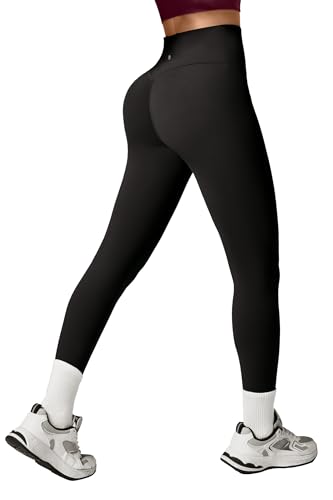
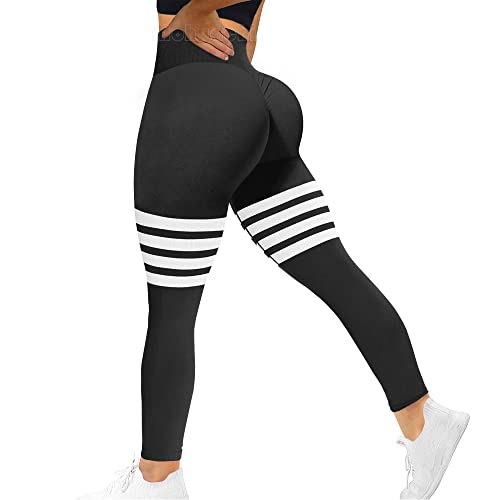
Lower-body activewear relies heavily on tailored waistband engineering and strategic seam placement to maintain stability during movement. Active tights built with supportive waistbands distribute gentle compression across the midsection to prevent slippage during deep squats. Gusseted crotches replace restrictive four-way seam intersections with diamond or triangular fabric inserts, dispersing mechanical tension across the pelvic floor. These intentional tailoring techniques allow leggings and training shorts to flex freely through complete joint mobility ranges without tearing or shifting out of place.
Small functional additions like integrated thumb holes, tagless collars, and side drop-in pockets elevate the everyday utility of athletic wear. Thumb holes keep long sleeves securely anchored over the wrists, preventing sleeve creep during cold-weather outdoor runs or layered gym workouts. Tag-free necklines, like those engineered into Russell Athletic performance tees, eliminate scratchy labels that irritate sensitive skin at the base of the neck. These practical design choices make extended training sessions more comfortable and free of minor distractions.
The Role of Athletic Headwear and Accessories in Training Kits
Performance headwear and specialized accessories are fundamental components of complete athletic apparel setups. Mesh trucker caps and baseball hats, such as the breathable washed denim caps from YFKFYTG, serve practical functional roles beyond casual styling. The curved bill shields the wearer’s eyes from intense overhead sunlight, reducing eye strain and improving environmental visibility during outdoor cardio. Simultaneously, an internal sweatband prevents perspiration from dripping into the eyes during intense outdoor runs or heavy workout circuits.
Ventilated mesh panels across the crown are critical for releasing rising scalp heat during sustained cardiovascular exercise. The fast-drying mesh shield on YFKFYTG hats promotes steady air exchange, helping sweat evaporate before it saturates the headwear. Breathable synthetic mesh also fights persistent odor buildup, keeping the cap fresher across multiple training sessions between washes. Structured trucker hats, like the minimalist quote five-panel hat, provide high-profile crown clearance that keeps fabric off the top of the head for additional airflow.
Adjustable snapback closures allow athletes to customize the tension of their headwear to match different sports and wind conditions. A snug fit prevents the cap from blowing off during windy trail runs, open-water boating, or high-speed cycling warmups. Conversely, loosening the snapback slightly during relaxed cool-down periods relieves pressure around the forehead and temples. Combining functional headwear with technical tops and active bottoms creates a comprehensive gear kit ready for any training climate.
Matching Athletic Apparel Categories to Activity Types
Different physical training modalities impose distinct demands on athletic clothing, making activity matching essential for long-term comfort. High-intensity strength training requires durable, tear-resistant fabrics that withstand contact with knurled barbells, bench vinyl, and chalk. Lightweight graphic tees like the Spartan warrior gym motivation shirt provide breathable coverage that lets lifters focus entirely on intense training sets. The unrestrictive torso drape ensures that athletes can perform heavy deadlifts, presses, and pull-ups without tight fabric inhibiting shoulder extension.
Endurance outdoor sports such as trail running, open-water paddling, and hiking demand specialized environmental defense. For these activities, full-coverage tops like the G Gradual UPF 50+ long sleeve shirt provide sun safety, thumb-hole sleeve security, and rapid drying. The ultra-soft polyester construction glides under hydration packs without bunching up or creating hot spots along the shoulder blades. In wet environments, quick-drying fabrics prevent dangerous evaporative chill once winds pick up or shade covers the trail.
Casual fitness, studio workouts, and daily yoga sessions benefit from flexible cotton blends and high-stretch knit bottoms. A blended long sleeve shirt like the Russell Athletic Dri-Power tee offers warm comfort during stretching routines and light warm-up sets. When combined with contouring leggings, these pieces deliver balanced flexibility that accommodates floor work, mobility drills, and post-gym lounging. Selecting versatile apparel ensures that users move seamlessly between active studio classes and casual afternoon schedules without changing wardrobes.
Warm-weather outdoor exercise requires maximizing shade and air exposure through breathable headwear and lightweight layers. Pairing a ventilated mesh trucker hat with an SPF-rated rash guard protects vulnerable facial skin, neck zones, and arms during peak midday sun hours. The hat deflects glare while the top actively pulls moisture away from the torso, keeping the body noticeably cooler. Coordinating specialized apparel pieces based on weather conditions optimizes endurance, safety, and personal comfort.
Garment Care, Washing Guidelines, and Fabric Longevity
Proper cleaning techniques are essential to preserve the technical coatings, elasticity, and wicking performance of athletic garments. High-temperature washing water can degrade synthetic polyester threads and break down delicate elastane bonds over time. Washing technical training tops, leggings, and sun shirts in cold water on gentle cycles protects fabric elasticity and minimizes mechanical abrasion. Turning graphic tees inside out before washing protects screen-printed artwork from rubbing against zippers and coarse buttons.
Liquid fabric softeners should be avoided when laundering technical activewear and moisture-wicking apparel. Softeners deposit a thin waxy coating over fabric surfaces, which clogs the microscopic channels responsible for capillary moisture transport. Once these pores are blocked, performance shirts lose their quick-drying capability and begin trapping unpleasant sweat odors. Air drying garments or using low-heat tumble settings preserves Dri-Power and UPF features while preventing unwanted fabric shrinkage.
Specialized headwear with structured crowns and curved bills requires gentle cleaning to maintain its original form. Submerging structured trucker hats in washing machines can bend the internal brim support and crush the front foam panel. Spot cleaning with mild detergent, cool water, and a soft cloth cleans sweatbands without warping the snapback structure or damaging the mesh shield. Allowing hats to air dry completely on a rounded surface maintains proper crown shape and ensures dependable odor control across future workouts.
Practical Evaluation Checklist for Activewear Shoppers
When evaluating athletic apparel, shoppers should inspect the fiber breakdown on garment tags rather than relying on promotional marketing slogans. Choosing 100 percent polyester provides the fastest moisture evaporation and highest sun defense for endurance training in hot or damp conditions. Selecting blended cotton knits offers soft daily comfort and sufficient moisture control for casual weightlifting, recovery sessions, and studio classes. Checking for functional details such as flatlock seams, tagless collars, and UPF certifications helps verify that the piece can withstand real-world physical demands.
Balancing performance features with proper sizing guarantees that activewear supports your fitness goals without introducing chafing or mobility restrictions. Sizing charts should be consulted carefully to match chest, waist, and hip measurements to the intended garment silhouette. Reliable activewear should feel comfortable immediately, staying securely in place through dynamic physical motions without rolling, bunching, or pinching. Investing in well-constructed technical gear builds a versatile wardrobe that enhances your training performance across every workout session.




Write Your Review
No reviews yet. Be the first to share your experience!