


Balancing torso proportions with the right lower-body cut creates an immediate boost in gym confidence, especially when transitioning between high-intensity workouts and casual weekend routines. Many fitness enthusiasts struggle with waistbands that roll down or tops that cling awkwardly during dynamic movements. Mastering how to look good in activewear starts with coordinating functional performance pieces that manage heat while maintaining a structured silhouette. Pairing technical bottoms like sculpted comfort leggings with athletic tops creates a sleek, cohesive look that stays secure from warm-up stretches through post-workout errands.
Achieving a polished athleisure aesthetic also depends on understanding fabric drape and moisture management across diverse body types. Stiff synthetics and thin knits often cause unwanted tension lines or transparency issues under bright studio lighting. By incorporating breathable layers and everyday cotton blend leggings or cropped tights with dedicated moisture-wicking tops, you establish balanced visual lines without sacrificing ease of movement. Paying attention to seam placement, rise height, and targeted compression ensures your workout attire looks intentional rather than thrown together.




Essential Principles for Elevating Your Activewear Style and Fit
Looking effortlessly put together in athletic apparel requires a deliberate balance between functional garment engineering and body-flattering proportions. A cohesive gym or athleisure outfit should enhance natural movement while providing clean visual lines that do not shift or bunch during daily activities. The secret to understanding how to look good in activewear lies in choosing garments built with supportive knits, properly positioned seams, and complementary cuts. When your clothes fit smoothly against your frame without pinching or slipping, your entire posture improves naturally. Feeling comfortable in your workout clothing directly translates into how confidently you carry yourself through any environment.
Balancing Body Proportions Between High-Rise Bottoms and Athletic Tops
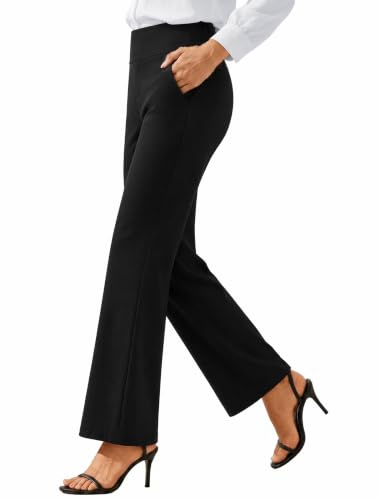
High-rise waistbands establish a secure focal point around the natural waist, creating an elongated leg line that flatters nearly every body shape. When paired with cropped bottoms, such as an 18 to 23 inch capri inseam, the lower cuff lands cleanly around the mid-calf taper. Choosing a rise height that reaches just above the navel prevents the horizontal crease that often develops across the lower abdomen. This vertical alignment anchors your lower half and sets the baseline for selecting the right upper-body layer. Proportional styling ensures your torso and legs remain in harmonious visual balance throughout your workout.
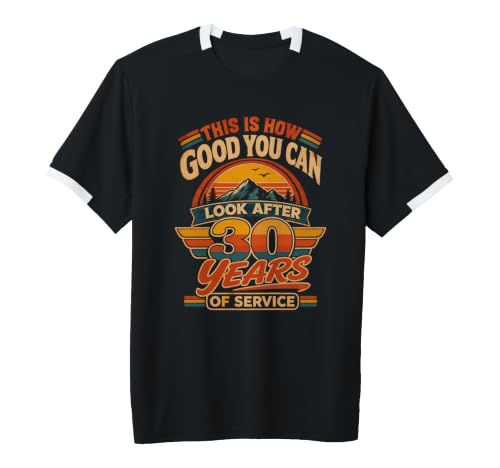
Upper-body garments require careful hem length coordination to avoid cutting across the widest point of the hips. Tucking an oversized cotton shirt into a compressive waistband often creates uncomfortable fabric bunching that disrupts clean lines. In contrast, pairing structured tops with streamlined bottoms creates an intentional, athletic profile. A semi-fitted athletic soccer jersey featuring contrast color blocking on the collar and sleeves introduces crisp structure that balances the snug fit of performance leggings below. Selecting tops that hit right at the waistband edge preserves your natural waist definition without exposing unwanted skin.
Volume contrast remains one of the most reliable styling rules in modern athletic apparel. If your bottoms feature firm compression, opting for a slightly relaxed technical top balances overall visual weight. Conversely, pairing looser joggers with a form-fitting tank maintains clear definition through your torso. Many active wearers find that combining shaping activewear bottoms with tailored performance tops provides both core stabilization and a polished day-to-day aesthetic. This contrast keeps athletic clothing from looking like pajamas or overly rigid base layers.
Selecting Technical Fabrics That Flatter Without Sheer Transparency
Fabric density plays a direct role in how smoothly athletic wear sits across the hips and thighs. Thin single-knit fabrics often stretch thin across curved areas, causing fabric grin-through and unwanted sheer transparency under direct light. Dense interlock knits with fabric weights between 250 and 300 GSM provide the necessary structure to smooth natural contours without feeling excessively hot. This structural density ensures your activewear holds its shape during deep lunges, squats, or brisk outdoor walks. A premium fabric weight also conceals minor skin textures, creating a uniform, athletic finish.
Fibers like nylon blended with twenty to twenty-five percent elastane offer a smooth, matte finish that resists lint and inner-thigh friction. Polyester blends with twelve to fifteen percent spandex deliver soft flexibility, making them popular for high-motion studio workouts. Cotton blends offer breathable comfort for relaxed walking, but they tend to retain moisture and lose elasticity over time. Selecting resilient synthetic yarns prevents sagging around the knees and calf bands, keeping your outfit looking fresh throughout the day. Investing in durable technical weaves ensures your athletic separates maintain their compressive recovery after dozens of gym sessions.
Conducting a quick opacity check at home before heading out prevents embarrassing wardrobe surprises. Stand in bright natural light or under a strong lamp, bend your knees into a 90-degree squat, and inspect your rear reflection in a full-length mirror. If the knit stretches thin enough to reveal skin tone or undergarment seams, the garment lacks the yarn density needed for athletic use. Selecting nude seamless undergarments under lighter tones provides an extra layer of visual security. Choosing truly opaque, high-density knits immediately elevates your appearance by eliminating accidental transparency in bright studio lighting.
Strategic Color Blocking, Necklines, and Layering Techniques
Visual detailing like contrast color blocking guides the viewer eye along flattering angles and creates a sculpted appearance. Athletic jerseys with contrasting neckbands and sleeve accents frame the shoulders, making the upper torso appear upright and athletic. This design element works exceptionally well on short-sleeve performance crew necks, transforming a basic athletic shirt into a deliberate style statement. The crisp contrast lines draw focus upward toward the face and neckline. Incorporating subtle geometric accents breaks up solid blocks of fabric and lends athletic clothing a professional finish.
Zippered necklines offer both functional temperature control and versatile styling options. A quarter-zip performance pullover allows you to adjust your neckline from an open, collarbone-framing V-shape to a sleek, upright mock neck for outdoor training. Tops crafted from 100% polyester with UPF 50 sun protection provide vital skin defense during outdoor runs while keeping you cool. The clean zipper track creates a sharp vertical line down the chest that complements high-waisted bottoms seamlessly. Leaving the zipper slightly open relaxes the collar and visually elongates your neck for casual wear.
Layering lightweight outer pieces adds dimension to activewear outfits during transitional weather or cooler mornings. Draping an open windbreaker or technical jacket over a fitted base layer creates clean vertical seams that visually streamline the torso. In cold seasons, pairing insulated tops with flattering fleece lined tights allows you to stay warm without adding clumsy bulk to your lower leg line. Strategic layering ensures your workout wardrobe adapts to shifting temperatures while looking intentional. Choosing jacket hems that sit slightly below the hip provides extra coverage when wearing tighter leggings.
Eliminating Common Fit Failures: Rolling Waistbands and Calf Digging
A rolling waistband represents one of the most frustrating fit issues in athletic apparel. This problem usually happens when the waistband rise sits below your natural waistline or lacks adequate upper-edge elastic retention. When you bend or hinge at the hips, the fabric seeks the narrowest point of your torso, causing it to fold downward. Choosing wide, double-layered waistbands or styles with continuous interior drawstrings anchors the garment securely without pinching. Properly anchored waistbands eliminate the need for constant tugging and readjustment during intense workouts.
Calf band constriction occurs when cropped legging hems cut directly across the widest circumference of the gastrocnemius muscle. For women under five feet four inches, an unmeasured capri hem may land right across the muscle belly, creating deep red pressure marks and restricting blood circulation. Ensuring the inseam falls cleanly below the calf bulge or sizing up slightly allows the hem to rest comfortably against the lower leg. Smooth, bonded hems or soft flat-stitched cuffs prevent digging while keeping the leg line looking long. Testing the cuff tension by sliding two fingers beneath the hem confirms a safe, comfortable fit.
Front-rise tension lines and center-seam irritation can quickly undermine an otherwise stylish activewear outfit. Garments constructed with sewn-in triangular or diamond crotch gussets distribute multidirectional stretch evenly across the pelvic floor. This ergonomic construction eliminates uncomfortable vertical pulling and reduces center-seam pressure. Flatlock seams across the inner thighs also lie completely flat against the skin, minimizing surface friction and preventing chafing during repetitive movement. Clean seam construction keeps the front of your leggings smooth and free of awkward bunching.
Functional Storage and Movement Integrity in Daily Athleisure
Modern activewear must integrate practical utility without distorting the clean lines of the silhouette. Shallow horizontal pockets often flare outward during movement, adding unwanted bulk across the hips. Deep, drop-in side pockets that measure at least six inches in depth secure standard smartphones flat against the outer thigh. Positioning the device along the lateral thigh muscle prevents bouncing while running and keeps your profile sleek. Flat interior waistband pockets offer a discreet place for keys and gym passes without disrupting the smooth waistband exterior.
Maintaining fabric drape throughout high-sweat workouts requires materials engineered with active capillary moisture management. Low-grade synthetics often cling uncomfortably to damp skin, highlighting uneven tension and sweat marks in high-friction zones. High-performance polyester and nylon knits pull perspiration away from the skin surface to the outer face of the fabric for rapid evaporation. Odor-fighting fabric treatments further ensure you remain confident when stepping from a training session directly into a social setting. Quick-drying fabrics keep your garments looking crisp and structured even after an intense cardio workout.
Garment Care Protocols to Prevent Pilling, Fading, and Elasticity Loss
Preserving the polished appearance of athletic apparel requires careful laundering habits to protect delicate elastane filaments. High dryer heat breaks down synthetic stretch fibers, causing wavy waistband edges, sagging knees, and loose calf cuffs. Always wash your technical activewear in cold water on a gentle cycle, turning garments inside out to protect outer surfaces from friction. Air drying on a flat rack or clothesline preserves elasticity and prevents premature garment fatigue. Establishing a dedicated wash routine keeps high-compression fabrics fitting like new for months.
Direct-to-film graphic prints and vibrant contrast panels require specialized protection against rough washing machine agitators. Washing performance jerseys alongside heavy items like denim jackets or zippered bags can cause surface scuffs and print cracking. Placing delicate tops and printed soccer jerseys inside a mesh laundry bag shields the direct-to-film ink and keeps colors bright. Avoiding liquid fabric softeners is equally critical, as softeners coat synthetic wicking channels and trap sweat odors permanently. Using a mild sports detergent formulated for technical synthetics preserves both breathability and bold graphics.
Recognizing when activewear has reached the end of its functional life keeps your wardrobe looking consistently sharp. When elastane fibers break, they create microscopic white fuzz along high-friction areas like the inner thighs. Garments that have lost their recovery will sag behind the knees or slip down repeatedly during basic bodyweight squats. Retiring tired pieces and refreshing your rotation ensures every outfit provides the compression and clean silhouette you expect. Wearing well-maintained activewear guarantees that your athletic outfits look intentional and polished every time.
Building a Cohesive Athleisure Capsule for Workouts and Everyday Wear
Assembling a versatile activewear wardrobe starts with curating coordinating foundation pieces in timeless neutral shades. Charcoal, deep black, navy, and rich olive serve as reliable grounding colors for compression capris and performance tights. Once your neutral bottoms are established, introducing expressive elements like novelty quarter-zips or graphic performance jerseys adds personality without overwhelming your frame. Maintaining a cohesive color palette ensures you can mix and match tops and bottoms effortlessly. A capsule approach simplifies getting ready while ensuring every combination looks cohesive.
Footwear and accessory choices provide the finishing touch that transforms functional workout clothes into a sharp athleisure ensemble. Sleek running sneakers with low profiles maintain clean lines that connect smoothly with cropped capri hems. Adding a structured crossbody sling bag and neutral baseball cap ties the entire look together for errands or casual lunches. Paying attention to these proportional details ensures you always look deliberate and stylish wherever your day takes you. Polished accessories turn gym-ready attire into a sophisticated streetwear statement.
Mastering personal activewear style comes down to choosing the right fabric weight, respecting your natural body proportions, and maintaining proper garment care. When you prioritize opaque interlock knits, secure waistbands, and balanced silhouette layering, your athletic apparel delivers both high-performance comfort and effortless visual polish. Focus on intentional fit over fleeting trends to build a functional workout wardrobe that inspires confidence every time you get dressed. Consistency in your styling choices ensures you look put together whether you are warming up at the gym or relaxing on the weekend.



Write Your Review
No reviews yet. Be the first to share your experience!