


Navigating professional dress codes often starts with finding versatile bottom layers that balance polished tailoring with all-day physical comfort. While denim feels too casual and standard activewear lacks formal structure, understanding what are black slacks for women helps bridge the gap between office expectations and wearable ease. Modern workplace trousers have evolved beyond stiff, unyielding fabrics into functional garments that maintain a crisp silhouette while accommodating continuous movement, desk sitting, and active commutes. Many professionals who prioritize seamless all-day comfort transition toward hybrid options that blend the drape of traditional trousers with the flexibility of everyday stretch leggings.
At their core, what are black slacks for women refers to tailored dark trousers engineered for business-casual, formal corporate, or upscale everyday environments. Unlike basic gym tights, true slacks feature deliberate design elements such as structured leg lines, faux or functional fly fronts, side pockets, and non-sheer textiles designed to skim the body rather than grip every curve. Modern iterations frequently incorporate high-performance synthetic blends, including polyester and spandex, to deliver four-way stretch and wrinkle resistance without sacrificing corporate elegance. By understanding the distinction between casual knits and structured work trousers, shoppers can curate an adaptable wardrobe built for lasting confidence.
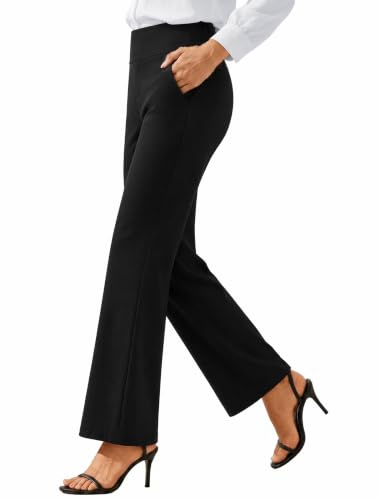

A Practical Deep-Dive Into Women’s Black Slacks
Defining Black Slacks: Tailored Structure and Modern Evolution
Black slacks for women represent a timeless category of tailored trousers crafted specifically for professional, business-casual, and formal settings. Historically, the term slacks arose to describe loose, relaxed trousers that offered a comfortable alternative to rigid military uniforms and restrictive formalwear. Over several decades, the definition shifted within women’s fashion to indicate structured pants featuring crisp lines, refined waistbands, and intentional drape. Today, black slacks serve as an essential wardrobe foundation, effortlessly anchoring everything from corporate boardrooms to creative workplace environments.
The crucial distinction between black slacks and casual bottoms lies in their silhouette and material construction. Denim relies on heavy twill cotton with casual contrast stitching, whereas slacks utilize refined weaves that drape cleanly along the leg. Basic gym leggings cling tightly from hip to ankle, but traditional slacks provide deliberate space between the fabric and skin to establish an elegant, fluid profile. This deliberate structural difference ensures that slacks convey an immediate sense of business decorum while maintaining modesty and polish under bright workplace lighting.
In recent years, the boundary between formal tailoring and athletic comfort has blurred significantly. Modern apparel engineering now allows designers to combine the clean exterior look of classic trousers with the functional flexibility of performance knits. The emergence of dress yoga pants illustrates this shift, giving professionals the freedom to move without restriction throughout demanding schedules. Women no longer need to sacrifice physical ease to look polished, as contemporary slacks integrate resilient stretch materials that retain their tailored shape across long workdays.
Fabric Blend Dynamics: Synthetics, Stretch Ratios, and Wrinkle Resistance
Fabric selection dictates how women’s slacks feel, drape, and perform during an active workday. High-performance synthetic blends often pair polyester with elastane or spandex to achieve an optimal balance of durability and flexibility. For example, a composition featuring eighty percent polyester and twenty percent spandex creates a lightweight knit that yields four-way stretch across the hips and thighs. This synthetic ratio allows the material to expand during dynamic movement and bounce back immediately without bagging around the knees.
Wrinkle resistance is another essential property separating high-quality work slacks from delicate natural fabrics. Pure linen and traditional lightweight wool often crease heavily within minutes of seated desk work, requiring frequent steaming or pressing. High-density polyester blends resist compression creasing, ensuring that the trousers remain crisp after hours spent at a conference desk or in an airplane seat. The tight knit structure also prevents sheerness, allowing wearers to bend and move confidently without revealing undergarments under bright fluorescent lighting.
Textile weight also influences how smoothly trousers fall from the hip toward the footwear. While lightweight activewear knits can sometimes cling to static-prone underlayers, structured polyester blends maintain substantial drape that skims the silhouette. Some shoppers choose heavy ponte knits or structured faux-leather styles when they want added visual texture or cooler-weather protection. Regardless of the exact surface texture, modern slacks rely on dense knitting techniques that provide complete opacity and enduring color saturation.
Waistband Architecture and Fly Design: Pull-On Ease Versus Traditional Closures
Traditional dress trousers typically rely on metal zip flies, hook-and-bar closures, or rigid button tabs that can dig into the stomach during prolonged sitting. To address this common discomfort, modern designers frequently utilize a faux fly front that visually mimics classic tailoring without incorporating bulky hardware. This faux seam delivers the visual authenticity needed to tuck in button-down shirts and tailored blouses cleanly. Wearers gain the sophisticated appearance of a formal closure alongside the effortless speed of pull-on dressing during rushed mornings.
The engineering of the waistband plays a decisive role in preventing common fit frustrations like rolling, folding, or gaping. Wide, high-rise pull-on waistbands distribute tension evenly across the midsection, providing gentle support without creating painful pinch points. Gentle mild compression within the waistband helps smooth the lower abdomen while anchoring the trousers securely above the hip bones. This continuous elastic structure eliminates the unsightly waist gaps that often plague curvier figures when wearing stiff, non-stretch suiting separates.
A secure waistband design also stops trousers from sliding downward when transitioning between sitting and standing. Stiff tailored pants often shift downward when you bend over, exposing the lower back or requiring constant manual adjustments. In contrast, elasticized pull-on bands move in harmony with the torso, remaining securely anchored throughout dynamic office tasks. This reliable retention provides continuous peace of mind, allowing professionals to focus on their daily responsibilities rather than readjusting their clothes.
Silhouette Variations: Wide-Leg, Straight, Bootcut, and Tapered Cuts
The silhouette of black slacks defines their visual balance, body proportions, and aesthetic vibe. Straight wide-leg designs have become particularly prominent because they create an elongated, fluid line from the natural waist down to the hemline. By falling straight from the widest point of the hip, wide-leg cuts balance broader shoulders or fuller midsections with effortless symmetry. This cut skims comfortably over the thighs and calves without clinging, making it universally flattering for diverse body types.
Other popular variations include classic straight-leg, bootcut, and slim-ankle trousers. Straight-leg cuts offer a timeless, tailored profile that fits comfortably between the relaxed drape of a wide leg and the close fit of a taper. Bootcut slacks widen slightly below the knee, providing practical hem clearance that accommodates pointed pumps, ankle boots, or wider footwear. Slim-ankle slacks taper gently toward the ankle, presenting a sharp, minimalist outline that highlights delicate flats or modern loafers in contemporary business settings.

Choosing the proper inseam length is critical to ensuring that wide-leg and straight-cut trousers drape without dragging along the ground. Slacks designed for wide-leg wear typically require careful hem alignment based on your preferred heel height. Pairing high-waisted wide-leg trousers with pointed pumps or heeled boots creates an elongated vertical look ideal for formal presentations. Conversely, styling the same trousers with clean white sneakers or tailored loafers delivers a relaxed, fashion-forward aesthetic suited for casual Fridays or creative workspaces.
Pocket Utility and Storage Ergonomics in Women’s Workwear
A long-standing frustration with women’s tailored workwear has been the absence of functional, deep pockets. Historically, women’s dress pants featured faux welt pockets or shallow compartments that could barely hold a key without distorting the garment’s clean line. Modern work slacks increasingly prioritize practical daily utility by incorporating deep side drop-in pockets. These functional storage pockets are engineered to sit flush against the hip, remaining discreet when empty while easily accommodating large smartphones, cards, or office badges.
Proper pocket placement ensures that carrying essential items does not disrupt the smooth silhouette of the trousers. When pockets are stitched too loosely, heavy items pull the fabric forward, creating awkward sagging around the upper thigh. Well-designed slacks position pocket bags securely along the side seams to minimize bulging and keep stored essentials close to the body. Professionals who prefer utilitarian styling often explore flexible athletic workwear alternatives for busy shifts requiring constant movement and reliable storage capacity.
Storage durability also depends on reinforced seam stitching at high-stress pocket entry points. Inserting and removing heavy smartphones dozens of times each day can cause premature tearing or seam separation on poorly constructed trousers. Quality workwear incorporates bar-tack stitching or double-reinforced seams along pocket corners to withstand daily strain. This thoughtful structural reinforcement preserves the clean tailoring of the hip line while delivering the hands-free convenience that modern working women require.
Preventing Common Fabric Failures: Fading, Sheerness, and Surface Friction
Maintaining deep, jet-black dye saturation is essential for preserving the formal elegance of women’s slacks. Natural fibers like cotton and modal tend to lose their dye molecules over repeated washings, gradually fading into a dull, worn-out charcoal grey. Synthetic fibers like polyester hold disperse dyes exceptionally well, resulting in long-lasting colorfastness that withstands regular laundering. This dye retention ensures that your work slacks match your black blazers and cardigans consistently over multiple seasons of wear.
Fabric sheerness represents another significant concern, particularly when stretch knits are worn in brightly lit professional spaces. When synthetic textiles stretch excessively across the hips and seat, low-density knits can become partially transparent under direct overhead lighting. Quality work slacks solve this dilemma by employing dense interlock knitting methods that preserve full visual opacity even under significant tension. Checking your trousers in front of a well-lit mirror before wearing them to the office confirms that the fabric remains completely opaque during deep bends.
Inner-thigh friction can rapidly ruin inferior fabrics by causing unsightly fiber pilling and surface thinning. Pilling happens when broken fabric filaments tangle together into tiny fuzz balls as a result of repeated stride contact. High-grade polyester yarns with smooth exterior finishes resist this mechanical abrasion far better than loosely spun natural fibers or brushed fabrics. Furthermore, smooth synthetic weaves attract significantly less pet hair, dust, and lint, keeping your trousers looking pristine without the constant need for a lint roller.
Care and Laundering Protocols to Extend Garment Longevity
Proper laundering is vital to protecting the elastane fibers and smooth finish of high-performance work slacks. Washing your trousers inside out on a gentle cycle using cold water prevents unnecessary surface friction against other garments. Cold water also shields the spandex components from thermal breakdown, which can cause stretched-out knees and saggy waistbands over time. Avoid using harsh chlorine bleach or silicone-heavy fabric softeners, as softeners can coat synthetic fibers and diminish their natural breathability.
Drying techniques also influence the lifespan and wrinkle-free appearance of synthetic dress pants. While low-heat tumble drying is sometimes permitted by manufacturer care labels, air drying on a flat rack or hanging by the cuffs preserves fabric elasticity best. Synthetic slacks naturally dry quickly because hydrophobic polyester fibers shed moisture rapidly during the spin cycle. When packing for business travel, rolling the trousers instead of folding sharp creases helps them arrive at your destination ready to wear right out of the suitcase.
Steaming provides a gentle, effective method for refreshing work slacks between washes without exposing the delicate spandex fibers to direct soleplate heat. Traditional heavy irons can scorch synthetic fibers or leave unwanted shiny marks along pocket edges and seam lines. A quick handheld steam pass relaxes any minor packing folds while neutralizing lingering odors. Hanging your slacks in a steamy bathroom during a morning shower can also release superficial creases when traveling without access to dedicated garment care tools.
Versatile Styling: Transitioning From Boardroom Meetings to Casual Weekends
The remarkable versatility of black slacks makes them an indispensable investment for a streamlined capsule wardrobe. For corporate business settings, pairing wide-leg black trousers with a structured blazer, silk blouse, and pointed heels establishes an authoritative, elegant look. Tucking in your top accentuates the high-rise waistband and highlights the clean, faux-fly front design. Adding minimalist gold jewelry and a structured leather tote bag completes an ensemble suited for high-stakes presentations and executive meetings.
Transitioning the same pair of slacks into a business-casual or travel outfit requires only minor adjustments to footwear and layer choices. Swapping the formal blazer for a cozy oversized knit sweater or a relaxed denim jacket immediately creates a modern, approachable vibe. Flat loafers, pointed mules, or minimalist ballet flats maintain office-appropriate polish while keeping your feet comfortable throughout long walking commutes. The stretchy, wrinkle-resistant fabric ensures that you arrive at your destination looking tailored and composed even after long flights.
On weekends, wide-leg black work slacks adapt effortlessly into chic streetwear and relaxed social outfits. Pairing them with a fitted white tee, a cropped leather jacket, and low-profile sneakers produces an elevated casual outfit perfect for brunch or weekend shopping. The lightweight four-way stretch fabric offers all the comfort of lounge pants while presenting the sharp appearance of tailored trousers. Investing in well-crafted black slacks with durable stretch, deep pockets, and a flattering rise ensures you stay comfortable, confident, and impeccably dressed for every occasion.


Write Your Review
No reviews yet. Be the first to share your experience!