


Deciding on appropriate celebration attire often starts with reading the invitation details closely. Determining what to wear when attending a wedding requires balancing personal comfort, venue expectations, and the formality level requested by the hosts. A guest needs an outfit that feels celebratory without stealing attention from the couple or feeling restrictive during extended ceremonies. Selecting the right garment becomes much easier when you break down the setting, season, and time of day before browsing racks.
Many attendees look for adaptable pieces like versatile wraps or comfortable cotton dresses for outdoor gatherings that transition smoothly from daytime vows to evening dancing. Fabric weight, shoe stability, and flexible silhouettes all play key roles in keeping you poised throughout hours of standing and socializing. Looking through carefully considered guest options and footwear pairings helps eliminate morning-of panic. With a clear plan for dress codes and accessories, any attendee can celebrate with complete ease.


Essential Etiquette and Styling for Wedding Guests
Finding the right outfit for a marriage ceremony begins with assessing the specific tone established by the couple. A guest outfit should show respect for the celebration while allowing you to move, sit, and dance with ease. Balancing formality with practicality ensures that you look polished in group photos and feel relaxed during a lengthy reception. Taking the time to evaluate the setting, schedule, and guidelines will give you confidence from the opening processional to the late-night departure.
Decoding the Stated Wedding Dress Code
Invitations typically present an attire descriptor that sets clear parameters for your garment choice. Black-tie gatherings call for floor-length formal gowns or exceptionally refined dressy options made from rich, structured textiles. Cocktail attire offers broader flexibility, allowing for midi-length dresses, tailored separates, or sleek knee-length silhouettes that maintain a polished edge. When an invitation specifies semi-formal or dressy casual, softer silhouettes and lighter colors work wonderfully without appearing overly stiff.
Casual weddings still require elevated garments that differentiate your look from ordinary weekend wear. A sundress with thoughtful construction, a wrap dress with tailored lapels, or a flowing high-waist maxi dress functions well for relaxed barn or garden nuptials. You should generally avoid denim, athletic apparel, and distressed garments regardless of how relaxed the wording appears. When an invitation omits an attire guide completely, the venue aesthetic and ceremony time provide the best clues for your styling choices.
Evening receptions scheduled after six o’clock usually lean more formal than morning or afternoon ceremonies. Daytime events welcome lighter fabric weights, brighter patterns, and simpler design lines that feel fresh under natural sunlight. For evening events, deeper jewel tones, subtle luster, and tailored proportions help match the celebratory ambiance of dimly lit dining spaces. Checking the couple’s wedding website often clarifies regional or personal nuances that might not fit on printed stationery.
Selecting Flattering Silhouettes and Proper Hemlines
Hemline length influences both the aesthetic formality and physical ease of an ensemble. Floor-skimming maxi silhouettes bring instant sophistication and provide plenty of coverage during cooler weather or religious ceremonies. Options like the Pinup Fashion Plus Size Summer Floral Dress Off offer versatile styling through an elastic neckline that can be worn on or off the shoulder, pairing a flowing skirt slit with functional side pockets. A midi dress landing between the knee and ankle remains one of the most universally appropriate cuts for nearly any reception style.
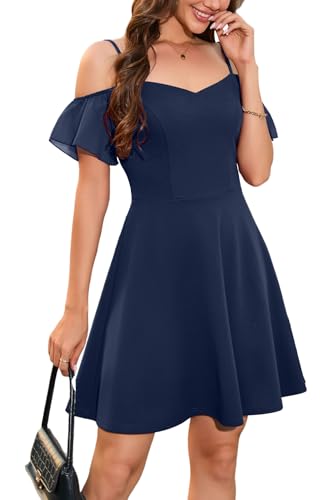
Neckline choices should harmonize with the ceremony environment and your comfort preferences. Plunging necklines or ultra-short mini skirts can sometimes feel out of place in conservative house-of-worship settings. If your chosen gown features an exposed shoulder or lower back, bringing a coordinating wrap or tailored jacket provides respectful coverage during formal vows. High-waist cuts, A-line skirts, and gentle ruching allow comfortable movement when seated through multi-course dinners.
Garment proportion also dictates how your clothing performs while moving across different spaces. A skirt with modest fullness enables effortless walking, stepping over uneven ground, and joining crowded reception dance floors. Tighter pencil skirts or rigid sheath dresses can look remarkably sharp, but they may restrict your stride if the textile lacks sufficient elastane or a back vent. Testing your range of motion by sitting and bending slightly before the big day helps verify an enjoyable fit.
Color Etiquette and Shades to Approach with Care
Color selection carries several traditional guidelines that every guest should bear in mind. Reserving white, cream, ivory, and soft alabaster for the couple remains standard practice across Western marriage ceremonies. Pale pastels that appear nearly white in flash photography, such as faint blush or icy champagne, also warrant caution to avoid unintended confusion. When in doubt, richer hues or distinct prints provide a vibrant alternative that honors the celebratory atmosphere.
Black garments were once considered somber for weddings, but modern etiquette embraces sophisticated black options for evening and cocktail events. Pairing a darker dress with warm metallic accents, textured shoes, or colorful wraps keeps the look cheerful rather than mournful. Bright shades such as cobalt, emerald, magenta, and warm terracotta bring festive vitality to spring and summer gatherings. Earthy tones like olive, plum, and cinnamon blend naturally into autumn celebrations.
Patterned textiles provide another wonderful avenue for guest attire when scaled appropriately. Floral prints, artistic watercolor motifs, and soft geometric patterns offer visual interest without distracting from the wedding party. Extremely loud neon patterns or reflective disco sequins can sometimes pull focus in group photographs where understated elegance is preferred. Subtle jacquards, lace overlays, or delicate botanical motifs maintain an elegant aesthetic that photographs beautifully throughout the celebration.
Adapting Outfits for Seasons and Outdoor Venues
Seasonal weather heavily dictates which fabrics and layers keep you feeling comfortable throughout an event. Lightweight chiffon, breathable linen blends, and airy crepe excel in humid summer climates by encouraging air circulation. For cold-weather gatherings, evaluating long maxi dress options for colder weather can help you stay warm without sacrificing a refined appearance. Winter nuptials also benefit from richer textiles like velvet, heavier brocades, and dense knits that trap gentle body heat.
Outdoor settings introduce unique physical challenges such as lawn terrain, breeze, and varying sunlight. Flowing skirts made of featherweight silk or sheer chiffon can catch strong winds unexpectedly on coastal bluffs or open pastures. Choosing dresses with a bit more drape weight or an anchored underskirt prevents awkward wardrobe adjustments during breezy moments. Direct sun exposure during afternoon vows also makes sun-friendly necklines and breathable linings far more pleasant to wear.
Barns, vineyards, and garden estates often involve gravel paths or soft grass between the ceremony and cocktail hour. Wearing hem lengths that clear the ground slightly prevents grass stains, mud, and fabric snagging on rough stone steps. If you are attending a beachfront wedding, breezy maxi cuts that flow naturally around your ankles complement the casual seaside ambiance. Checking the weather forecast forty-eight hours ahead ensures your selected outfit suits current temperatures and precipitation risks.
Footwear Strategy for Long Ceremonies and Receptions
Footwear choice directly impacts your stamina and enjoyment across an eight-hour wedding schedule. High stiletto heels frequently sink into lawn turf, wedge between boardwalk slats, and create balance instability on historic flagstones. Block heels offer a stable base that distributes your weight evenly while keeping a dressy profile. For instance, the Reimferce Comfortable Block Heels for Women provide a 3.14 inch block heel, cushioned insole, and an adjustable ankle strap with a decorative bow accent that complements formal gowns.
Another reliable block heel variation is found in the Reimferce Comfortable Block Heels for Women, featuring slip-resistant outsoles and smooth wipe-clean PU construction that pairs nicely with cocktail lengths. If you prefer open-toe footwear for warm-weather celebrations, the Modatope Brown Strappy Sandals for Women Open Toe incorporate trendy square toes, thin straps, and padded insoles on an 8cm heel. Open-toe sandals bring an airy feel to summer ceremonies, though closed-toe pumps remain the traditional standard for religious sanctuaries and formal ballrooms.
Modest heel heights provide an outstanding middle ground between elevated posture and sustained comfort. The Stunner Women Classic Pointed Toe Low Heel Dress pumps feature an approximate 2-inch heel, cushioned footbeds, and pointed toes that elongate leg lines without putting undue pressure on the ball of the foot. A lower heel allows you to stand through cocktail hour mingling and transition directly to dinner tables without aching arches. Pointed low heels also look crisp beneath tailored pantsuits and mid-length dresses alike.
Packing backup footwear is a clever strategy practiced by seasoned wedding guests who love hitting the dance floor. Compact options like the Lauthen.S Women Foldable Ballet Flats or the Lauthen.S Women Foldable Ballet Flats fold neatly into a small handbag, providing soft microfiber linings and sparkly rhinestone pointed toes. Similarly, the Lauthen.S Women Foldable Ballet Flats deliver flexible outsoles that slip on effortlessly when tired feet need relief from high heels. Switching into sparkly flats keeps your attire festive while preventing barefoot dancing on potentially slick or crowded reception floors.
Smart Layering and Outerwear Solutions
Indoor temperature swings represent an overlooked challenge during wedding events. Air-conditioned reception halls, breezy cathedral naves, and chilly evening patios can quickly turn an otherwise comfortable outfit unpleasantly cold. Packing a coordinated shawl, pashmina, or tailored bolero ensures you remain warm without disrupting the silhouette of your dress. Neutral cashmere wraps in soft gray, camel, or navy layer effortlessly over nearly any dress color.
Outerwear should always harmonize with the formality level of your dress rather than functioning as an afterthought. Pairing an elegant evening gown with a casual utility jacket or sporty puffer coat diminishes the polished appearance of your ensemble. A structured wool coat, tailored trench, or cropped velvet cape maintains formal continuity while traveling between venues. If you are styling dresses for festive party celebrations or evening weddings, matching outer layers to your footwear creates a cohesive look.
Layering garments also provides modular modesty when ceremonies take place across sacred spaces with specific dress codes. You can drape a delicate scarf over your shoulders during traditional vows and remove it once the lively reception begins. Cropped blazers paired with high-waist dresses create clean proportions that flatter petite and curvy figures alike. Securing your shawl with an understated vintage brooch prevents constant slippage while holding drinks or mingling during cocktail hour.
Accessorizing Without Overwhelming the Overall Look
Jewelry, handbags, and beauty touches serve as complementary elements that frame your primary garment. A general guideline is to select one focal accessory rather than wearing multiple competing statement pieces at once. If your dress features an elaborate neckline or sparkling embellishments, delicate stud earrings and a simple bangle keep the balance tasteful. Conversely, an understated monochrome slip dress welcomes bolder chandelier earrings or a sculpted cuff bracelet to create visual intrigue.
Handbag selection requires balancing aesthetic charm with practical storage for celebration essentials. Oversized daily totes appear cumbersome at formal banquets and take up valuable space on crowded dining tables. A compact clutch with a detachable chain strap allows you to keep hands free for champagne flutes and greeting fellow guests. Your evening clutch should comfortably house your mobile phone, lip balm, photo identification, and emergency blister patches without bulging awkwardly.
Makeup and hair styling should reflect the overall environment and climate of the event. Long-lasting setting sprays, water-resistant mascara, and hydrating lip tints hold up well through emotional vows and vigorous reception dancing. If you anticipate outdoor wind or humidity, polished updos or secure half-up hairstyles maintain their neatness far better than loose waves. Subtle makeup looks that accentuate your natural features complement celebratory photographs without looking heavy under daylight.
Garment Fabric Choices and Wrinkle Management
Textile composition plays a major role in how pristine your dress looks after travel and prolonged sitting. Natural linen and pure silk create luxurious textures, yet both fabrics wrinkle quickly when compressed into suitcases or creased during car rides. Polyester blends, knit crepes, and modal jersey resist creasing far more effectively, making them exceptional options for destination weddings. Selecting fabrics with a hint of stretch also enhances overall seating comfort during lengthy wedding speeches.
Garment care labels provide necessary instructions for preparing your attire before stepping out the door. Steaming your dress on a sturdy hanger removes packing creases safely without risking heat marks or scorched fibers. If your gown contains delicate lace, sequin trims, or fine mesh, pressing an iron directly against the surface can cause permanent fabric warping. Testing a low-temperature steam setting on an interior hem ensures that delicate synthetic fibers stay protected.
Undergarment construction also deserves attention when preparing lightweight or form-fitting wedding attire. Seamless briefs, neutral contour bras, or supportive slip garments prevent visible lines from disrupting the smooth drape of your dress. Choosing undergarments that match your skin tone rather than the dress fabric prevents show-through under bright outdoor sunlight or indoor strobe flashes. Ensuring your undergarments feel comfortable during trial wear prevents distracting fidgeting during the ceremony.
Final Preparations and Practical Verification
Conducting a full dress rehearsal at home helps eliminate unexpected wardrobe malfunctions on the day of the wedding. Put on your intended dress along with your chosen undergarments, footwear, and accessories to verify how everything moves together. Practice sitting in a chair, walking across carpet and hard floors, and checking your appearance from multiple angles in natural light. This quick check confirms that your straps stay positioned and your hemline falls at an appropriate height.
Ultimately, selecting what to wear as a wedding guest comes down to respecting the occasion while feeling genuine comfort in your skin. When you align your silhouette with the stated dress code, select sturdy footwear, and prepare for temperature shifts, you can focus entirely on celebrating the newlyweds. Thoughtful preparation allows you to enjoy every moment of the gathering, from the initial arrival to the final dance.




Write Your Review
No reviews yet. Be the first to share your experience!