


Receiving a wedding invitation brings immediate excitement, but it quickly sparks the wardrobe dilemma of finding appropriate attire. Navigating diverse dress codes, venue locations, and seasonal shifts often leaves attendees wondering where to buy a wedding guest dress that feels comfortable and looks polished. Online marketplaces and specialized retailers offer extensive inventories, yet the sheer variety can complicate decision-making. Shoppers must evaluate fabric weight, sizing reliability, and return policies before completing a purchase. Exploring collections tailored for celebrations, much like selecting versatile party dresses, allows guests to balance formality with personal style.
Budget plays a major role when planning for ceremonies and receptions across different seasons. Fortunately, contemporary digital storefronts feature an array of options ranging from breezy chiffon midi designs to structured wrap silhouettes. Paying attention to accurate garment measurements and closure types helps avoid unexpected fitting hurdles before the event. When choosing where to buy a wedding guest dress, prioritizing merchants that provide transparent sizing charts and clear care instructions ensures a seamless shopping experience. Taking time to assess your specific event requirements makes finding the ideal ensemble both efficient and enjoyable.


Complete Guide to Shopping for Wedding Guest Dresses
Selecting an appropriate outfit requires identifying trustworthy retail sources that match your budget, timeline, and aesthetic preferences. Modern shoppers can explore everything from broad online retail portals to specialized formal wear boutiques when determining where to order event attire. Each retail channel presents distinct benefits regarding inventory depth, shipping guarantees, and size availability. Understanding how to navigate these shopping avenues simplifies your search and ensures you arrive at the celebration looking well-dressed and feeling completely at ease.
Navigating Online Marketplaces and Direct Brand Portals
Online marketplaces have become a primary destination for event guests seeking vast catalog variety and rapid delivery schedules. These multi-brand digital stores aggregate designs from independent fashion labels and established apparel manufacturers in one convenient digital space. Browsing through large catalogs allows shoppers to filter garments by sleeve style, skirt length, and neckline within seconds. Verified customer ratings and feedback also provide valuable clues regarding true fabric drape and color fidelity.
Direct brand storefronts offer another reliable pathway for sourcing celebration attire. Buying directly from a brand portal often gives you access to complete seasonal collections and proprietary size guidelines. Many labels also feature dedicated occasion wear edits that group garments by theme, such as garden party, cocktail reception, or evening gala. While shipping times on direct brand portals might require a slightly longer delivery window, the detailed fit breakdowns frequently compensate for the wait.
Customer reviews on high-volume platforms serve as a vital reality check before placing an order. Look closely for mentions of fabric stretch, lining opacity, and torso proportions from reviewers with similar heights and body builds. Fabric shades can sometimes appear slightly different under indoor artificial lighting compared to outdoor natural daylight, making verified photos helpful. Evaluating these communal insights ensures you select a marketplace that delivers consistent garment quality.
Evaluating Department Stores Versus Specialty Boutiques
Traditional department stores remain a dependable resource for guests who prefer browsing cohesive designer collections. These retailers curate seasonal offerings from respected fashion houses, providing structured silhouettes and elevated textiles under one roof. Department store websites often facilitate straightforward filtering by dress code, making it simple to distinguish casual sundresses from formal evening gowns. Their established return infrastructure also offers peace of mind if an order requires exchanging for an alternate size.
Specialty boutiques provide a distinctly curated shopping environment that appeals to shoppers seeking unique designs. Independent boutiques tend to carry smaller production runs, which significantly reduces the chance of another guest wearing the identical dress to the ceremony. Stylists at local boutiques can often suggest flattering jewelry pairings or suitable jacket layers to complement your chosen neckline. However, specialty boutiques frequently uphold stricter return policies, such as issuing store credit rather than full refunds.
Balancing the convenience of department stores against the distinctiveness of boutique collections depends largely on your preparation timeframe. If your invitation arrives with limited notice, a large department store with express shipping options remains a safer bet. When planning several months in advance, scouring local or digital boutiques can uncover memorable statement pieces. Reviewing exchange terms and restocking fees beforehand prevents unwanted surprises regardless of which retail route you select.
Matching Retail Categories to Event Dress Codes
Decoding the specific dress code listed on an invitation helps you target the correct department on any retail website. White-tie and black-tie events demand formal floor-length gowns crafted from luxurious fabrics with clean structural lines. Retailers typically file these pieces under evening wear or gala collections. Selecting an asymmetrical floor-length maxi dress or a structured halter design ensures you honor the formal atmosphere of an evening ballroom celebration.
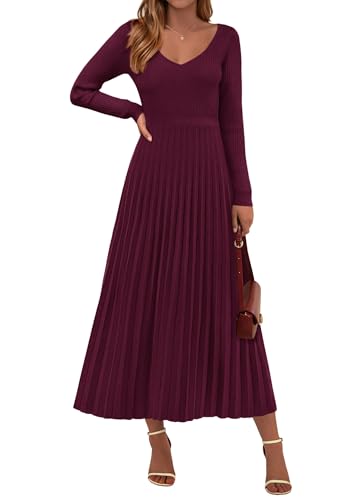
Cocktail and semi-formal weddings provide greater latitude in silhouette selection, welcoming elegant midi hems and sophisticated knee-length dresses. Many online storefronts maintain vibrant cocktail sections featuring flattering wrap cuts, flutter sleeves, and subtle high-low ruffles. When cooler weather sets in, seasonal selections like winter dresses with pockets showcase how functional details can complement cold gatherings. Balancing playful details with sophisticated hemlines keeps your ensemble polished without appearing overdressed.
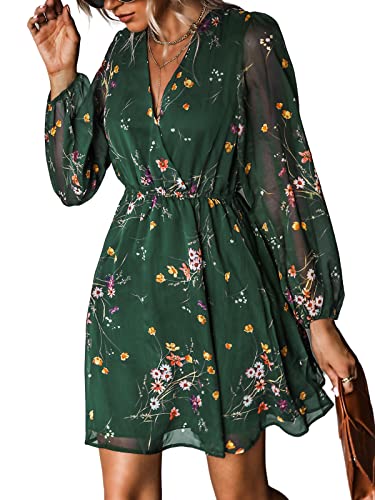
Casual or daytime ceremonies invite softer color palettes, relaxed drapery, and comfortable floral patterns. Garden weddings, beach vows, and outdoor vineyard receptions align naturally with lightweight chiffon fabrics and breathable knit blends. Retailers commonly categorize these garments under daytime party wear or sun dresses. Choosing a piece with subtle stretch or a smocked waist allows you to sit, walk across grassy lawns, and celebrate with ease throughout the reception.
Evaluating Materials and Construction Details
Fabric composition determines how gracefully a dress drapes, how comfortably it wears, and how effectively it resists creasing during transit. Polyester chiffon remains a popular material for wedding guest attire due to its airy hand feel and smooth drape. Garments crafted with polyester and elastane blends provide slight mechanical stretch, allowing the fabric to move naturally with your body. Inspecting the product specifications for lining details is equally crucial, as a double-layered skirt prevents unwanted sheer issues under bright sunlight.
Textile weight also influences how warm or cool you feel throughout a multi-hour reception. Breathable stretch knits that combine polyester with spandex offer flexibility from daytime ceremony seating to late-night dance floor celebrations. If you are preparing for chilly outdoor venues, exploring heavier textiles and warm maxi dresses helps you plan appropriate thermal layers beneath your outfit. Lightweight weaves work wonderfully for warm outdoor gatherings, whereas medium-weight knits provide structure for temperature-controlled indoor halls.
Seam reinforcement and garment finishing can also indicate the general longevity of a formal garment. Look for reinforced waistbands, clean hem edges, and delicate gathering around ruched panels in product zoom photography. Ruching across the midsection adds visual texture while creating a forgiving drape that adapts to natural body movement. Well-constructed seams ensure that stretch fabrics maintain their shape rather than sagging after several hours of continuous wear.
Identifying Functional Features and Closures
Small functional construction elements can substantially improve your overall wearing experience at a wedding. Functional side pockets integrated into a flowing maxi skirt provide convenient storage for small essentials like a phone, compact mirror, or lip balm. Pockets discreetly tucked into side seams preserve the garment’s clean silhouette while offering hands-free practicality during cocktail hour. Checking product descriptions for hidden pockets helps identify dresses that merge formal flair with modern utility.
Garment closures directly affect how easily you can step into an outfit and achieve a secure fit. Hidden back zippers preserve the smooth visual lines of formal dresses while making dressing straightforward. Alternatively, pull-on silhouettes with elasticized smocking or halter neck ties offer adjustable comfort without rigid hardware. Wrap-style dresses featuring tailored waists or functional ties allow wearers to customize the fit around the bust and ribcage with precision.
Sleeve architecture and neckline designs establish the overall aesthetic while influencing undergarment choices. Flutter sleeves and short flared cuts introduce a touch of romance while providing light upper arm coverage without restricting mobility. Off-shoulder and asymmetrical necklines highlight the collarbone, but they typically require strapless foundations or specialized undergarments. Factoring in closure mechanics and undergarment compatibility before buying prevents last-minute dressing challenges on the celebration day.
Sizing Precision and Reading Garment Measurement Charts
Relying solely on standard letter sizing often leads to fitting discrepancies when shopping across multiple apparel brands. Size standards vary across manufacturers, meaning a medium from one label may fit similarly to a large from another. The most reliable approach involves checking the manufacturer’s dedicated measurement chart before selecting a size. Grab a flexible measuring tape to record your bust, natural waist, and widest hip points in inches or centimeters.
Pay close attention to whether the published chart represents body measurements or flat garment dimensions. A garment measurement table shows the actual dimensions of the sewn fabric, which should include slight ease beyond your physical body measurements. For woven fabrics without stretch, choosing a size that matches your largest measurement prevents tight pulling across the back or hips. If a design features moderate elastane content or an elasticized smocked waist, you enjoy greater flexibility within the stated size range.
When your measurements fall directly between two listed sizes, consulting specific garment guidelines is essential. For structured wrap dresses or high-low silhouettes with tailored waists, manufacturers often suggest selecting the larger size based on your chest circumference. Ordering the larger size ensures comfortable movement and allows a local tailor to make subtle adjustments if necessary. Taking time to cross-reference your measurements prevents the stress of returning an ill-fitting garment days before the wedding.
Budget Planning and Shipping Considerations
Setting a realistic wardrobe budget involves accounting for secondary costs beyond the dress itself. Many online retailers offer accessible price points for cocktail and formal options, making stylish event attire attainable. However, smart planners also allocate resources for potential minor alterations, proper undergarments, and matching accessories. Balancing dress costs with these adjacent essentials ensures your complete look remains harmonious and within your comfort zone.
Shipping timelines require careful monitoring, particularly when purchasing from digital storefronts during peak wedding season. Ordering your garment at least four to six weeks prior to the ceremony date provides a comfortable cushion for shipping delays. This scheduling buffer gives you ample opportunity to try on the piece, assess undergarments, and verify hem length with your planned shoes. Leaving adequate turnaround time avoids expedited delivery fees and eliminates avoidable wardrobe panic.
Return policies deserve thorough scrutiny before you complete any checkout process. Confirm whether the retailer provides prepaid return labels, charges restocking fees, or restricts returns on discounted items. A merchant that offers a clear thirty-day return window allows you to order two sizes if you feel uncertain about the cut. Understanding exchange procedures beforehand safeguards your investment and ensures a frictionless shopping experience.
Fabric Care and Long-Term Maintenance
Proper garment care protects the longevity and appearance of formal fabrics before and after the big event. Delicate textiles such as chiffon, stretch knits, and mesh prints require gentle laundering to prevent fiber damage. Most manufacturers advise washing formal polyester garments in cold water using a protective laundry mesh bag. Hand washing remains an excellent alternative that minimizes friction and preserves fine decorative stitching.
Drying methods can dramatically influence whether a dress maintains its tailored proportions or suffers distortion. High dryer heat can weaken synthetic fibers, degrade elastane elasticity, and cause permanent wrinkles in delicate chiffon. Laying the garment flat to air dry or hanging it on a padded hanger preserves structural integrity. Never apply chlorine bleach to colored or printed celebration wear, as harsh chemicals can strip dyes and weaken delicate threads.
Removing wrinkles prior to the ceremony requires following the temperature guidance indicated on the interior care label. Chiffon and synthetic blends respond best to low-temperature ironing or gentle vertical garment steaming. Always test your iron or steamer on an inconspicuous inside hem to verify that the textile tolerates the heat without scorching. Storing the clean dress inside a breathable garment bag protects it from dust and sunlight until your next special invitation.
Final Strategy for Confident RSVP Dressing
Developing a thoughtful shopping routine transforms the process of buying formal wear into an enjoyable milestone. Start by reviewing the invitation details, venue location, and forecasted weather conditions to narrow your silhouette choices. Next, browse established retail channels that provide transparent sizing charts, dependable delivery estimates, and clear return policies. Evaluating fabric stretch, lining quality, and functional closures ensures your selected dress delivers lasting comfort from ceremony vows to evening celebrations.
Take time to try on your complete ensemble, including shoes and undergarments, well before the wedding weekend arrives. Walk around your home, sit down, and test movement to confirm that necklines stay in place and hemlines allow natural strides. If any seam requires slight adjustment, having several weeks in reserve makes consulting a local alteration specialist stress-free. By combining practical preparation with careful retailer selection, you can celebrate the happy couple with confidence, poise, and effortless style.



Write Your Review
No reviews yet. Be the first to share your experience!