


Finding the right balance between relaxed comfort and a clean lower-body drape often starts with the ankle cut of your favorite loungewear. Many traditional joggers feature tight, cinched elastic cuffs that bunch around the ankles and restrict fabric movement, clashing with modern relaxed aesthetics. Learning how to make sweatpants wide leg allows you to update your existing wardrobe, release hem tension, and create a flowing silhouette without discarding comfortable garments. Coordinating a relaxed lower hem with sleek, high rise leggings alternatives helps you balance proportions throughout your everyday routine.
Whether you choose to remove elastic bands, slit the side seams, or invest in purpose-built open-bottom designs, garment construction dictates your final results. Fleece thickness, knit density, and cotton-to-polyester ratios directly influence how fabric hangs and whether unhemmed edges tend to roll or fray over time. Exploring both hands-on tailoring methods and modern relaxed-fit lounge pants ensures you achieve the exact leg volume you want while preserving garment durability. Taking a structured approach to alterations ensures you protect fabric integrity while enjoying a completely refreshed loungewear profile.


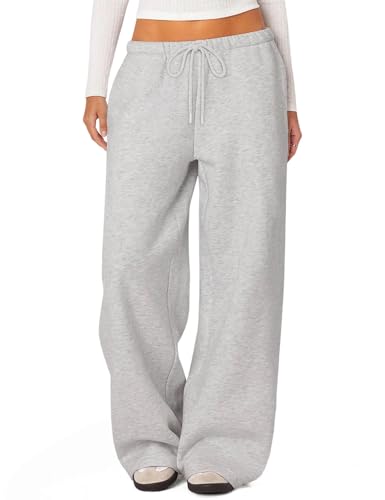


Comprehensive Guide to Modifying and Selecting Wide Leg Sweatpants
Transforming standard tapered sweatpants into relaxed, wide-leg loungewear requires an understanding of seam architecture and textile behavior. Releasing lower elastic tension allows the garment to fall into a natural vertical line that flatters footwear and balances proportions. Achieving a clean finish depends on selecting the right modification technique for your specific fleece blend or recognizing when factory-cut wide legs make more practical sense. This guide explains practical DIY alteration techniques alongside key garment features to help you master how to make sweatpants wide leg effectively.
Why Alter Tapered Jogger Cuffs Into Open Hems
Traditional athletic joggers rely on gathered elastic cuffs to seal in heat and keep fabric away from footwear. While functional for workouts, this cinched structure often creates unwanted fabric bunching around the calves and ankles. Releasing the elastic tension creates an open-bottom silhouette that falls smoothly over sneakers and platform shoes. The resulting straight vertical line creates a lengthened visual profile that many find more flattering for casual streetwear.
Beyond aesthetics, open hems increase airflow and lower-leg mobility during daily activities. Tightly banded cuffs can feel restrictive around sensitive calves during long days of wear. Removing that tension allows heavy fleece or lightweight knits to drape naturally with your stride. This simple shift in lower-leg geometry turns basic gym sweats into versatile loungewear pieces suitable for working from home or running errands.
Essential Tools and Preparation for Clean Garment Modifications
Executing clean alterations requires only a few basic household tailoring tools. A sharp seam ripper is essential for slicing through factory serging stitches without snagging knit yarns. Dedicated fabric shears, a flexible measuring tape, tailor chalk, and a steam iron help keep cuts precise and fabric smooth. Working on a firm, flat surface ensures fabric grainlines remain aligned throughout measuring and cutting.
Before making an alteration cut, inspect how the manufacturer built the existing ankle cuffs. Some sweatpants feature an independent ribbed cuff serged directly to the lower leg panel. Other designs use a folded hem casing where the pant fabric turns upward to enclose an elastic band. Identifying this construction determines whether you can simply remove the elastic band or must detach the entire cuff.
Removing Elastic Bands to Release the Factory Hem
The cleanest alteration method involves opening the lower hem casing to extract the elastic band without shortening your pants. Turn the sweatpants inside out and locate the vertical inseam where the hem was joined. Use your seam ripper to cut the internal stitches and create a small one-inch opening inside the casing. Once the elastic is accessible, snip through the band with scissors and draw it completely out through the hole.
Smooth the gathered fabric along the entire lower circumference using your fingers. Press the opened casing with a warm steam iron to remove persistent fabric creases left behind by the elastic. If the casing stays neat, you can leave it open or stitch the slit closed with a basic straight stitch. This technique preserves the original length while immediately providing a straight, relaxed leg opening.
Slitting Outer Side Seams for Added Ankle Flare
When sweatpants feature a pronounced taper through the calf, removing elastic alone might still leave the ankle opening too narrow. Creating side slits along the outseam offers a fast way to introduce extra flare and movement over shoes. Put on the sweatpants with your everyday shoes, and use tailor chalk to mark your desired split height along the outer seam. A slit between two and four inches provides generous flare without compromising structural strength.
Remove the garment, turn it inside out, and use your seam ripper to open the outer seam up to your chalk mark. Cut precisely along the existing stitch line rather than slicing into the surrounding body fabric. To prevent the slit from tearing upward under stress, sew a strong backstitch across the top of the opening. Fold the split edges inward, press them flat, and secure them with topstitching or iron-on hem tape.
Inserting Fabric Gussets for Maximum Leg Flare
Inserting fabric gussets into the outer seams creates a dramatic flare or bell-bottom silhouette. A gusset is a triangular fabric panel sewn into an opened seam to permanently widen the lower pant leg. To prepare the garment, open the outer seam from the hem up to mid-calf or just below the knee. Measure the length of the opening and choose your desired triangle base width at the floor.
Choose matching fleece or contrasting ribbed knit to create an intentional, balanced design. Cut two identical fabric triangles with half-inch seam allowances, and pin them into the opened side seams with right sides facing inward. Stitch down both sides of each triangle using a flexible zigzag or stretch stitch on your machine. Press the seams open and hem the bottom of the gusset to match the surrounding pant edge.
How Fiber Content Affects Alterations and Raw Edges
Garment composition dictates how sweatpants behave when you unpick seams, apply heat, or leave raw edges exposed. High-cotton styles, such as designs utilizing eighty-five percent cotton and fifteen percent polyester blends, offer heavy drape and substantial hand-feel. Cotton fibers naturally curl upward when sliced, creating a casual rolled edge after washing. Wearers who prefer a tailored look should always fold and stitch cotton edges rather than leaving them raw.
Polyester-rich fleece fabrics, such as models crafted with roughly thirty-four percent cotton and sixty-six percent polyester, behave differently during alterations. Synthetic fibers resist fraying and do not roll as tightly as cotton, making raw edges easier to control. However, polyester melts easily under high iron temperatures and can develop unwanted sheen. Always use a damp pressing cloth and low-to-medium heat settings when pressing seams on synthetic fleece.
Blended activewear knits incorporating rayon and spandex, like options containing seventy percent polyester, twenty-five percent rayon, and five percent spandex, deliver exceptional softness and drape. This lightweight, brushed fabric flows smoothly when shaped into a wide leg. Spandex fibers stretch easily under sewing machine feed dogs, so avoid pulling the fabric while stitching to prevent rippled seams. Handling elasticized knits with light tension keeps finished hems straight and uniform.
Knowing When to Alter Versus Choosing Factory Wide Leg Pants
While DIY alterations offer a creative way to update older garments, modifying tapered pants has inherent structural limits. Sweatpants cut with tapered patterns have narrow thigh and knee dimensions that ankle alterations cannot change. Slitting the hem creates a flared ankle, but it cannot duplicate the continuous loose drape running from hip to floor. When layering under outerwear, pairing your bottoms with flattering contour activewear styles creates a smooth foundation that avoids bunching.
Factory-built wide-leg sweatpants, including open-bottom styles from PRETTYGARDEN, HeSaYep, SINOPHANT, and AUTOMET, feature patterns designed specifically for continuous volume. These garments provide generous room through the thigh and calf, allowing fabric to drape freely without pulling across the knees. Pre-manufactured options also incorporate reinforced double-needle hems and balanced inseams that resist wear from shoe friction. Choosing ready-made open-bottom pants saves tailoring time while providing clean, symmetrical lines.
Cost and effort also play a role when deciding between modifying older joggers or purchasing new open-bottom pants. Specialty sewing notions, replacement fabrics, and matching threads can add unexpected costs if you do not already own tailoring tools. Ready-to-wear options made from thermal fleece or breathable cotton blends are readily available in versatile neutral tones. Evaluating alteration effort against the reliability of factory-finished wide-leg sweatpants helps you select the best approach for your wardrobe.
Waistband Engineering, Rise Placement, and Proportions
Waistband construction determines where wide-leg sweatpants sit on your frame and how the fabric flows toward the floor. High-rise silhouettes sit at the natural waistline, using elastic bands and internal drawstrings to hold placement securely under fabric weight. Certain styles, such as options from HeSaYep, incorporate wider waistbands that offer comfortable support and tummy-control claims without stiff internal boning. A secure waist fit prevents wide hems from dragging across ground surfaces.
Accurate sizing prevents waist-to-hip fit mismatches that can distort the visual lines of relaxed pants. Brands like AUTOMET note that their waistbands run intentionally snug for stay-put stability, advising wearers to size up if between sizes. A well-fitted waistband anchors the garment so wide legs can fall smoothly outward from the hips. Oversized waistbands cause bunched fabric when cinched with drawstrings, disrupting the clean vertical line of your outfit.
Pocket construction also influences the overall balance and functional utility of wide-leg loungewear. Deep side pockets, featured across designs from PRETTYGARDEN, SINOPHANT, and HeSaYep, hold essentials like smartphones and keys securely. Because wide-leg cuts feature ample fabric volume, deep pockets rest flat along side seams without creating bulky outlines. This clean construction makes open-bottom sweatpants practical for casual errands, walking, and relaxed weekend outings.
Styling Wide Leg Sweatpants for Balanced Streetwear Outfits
Creating a balanced outfit with wide-leg sweatpants requires managing visual proportions between your upper and lower body. Because open-bottom pants introduce volume from the hips down, pairing them with fitted tops creates an intentional, structured look. Cropped hoodies, ribbed long-sleeve shirts, and fitted jackets define the waist and prevent the outfit from looking shapeless. Rotating everyday supportive lounge options into your routine makes it easy to switch between athletic fits and relaxed styles.
Footwear selection directly affects both the drape and hem preservation of wide-leg sweatpants during outdoor wear. Chunky platform sneakers, retro running shoes, and boots elevate hems away from abrasive pavement. If your pants run slightly long, footwear with substantial midsoles provides the lift needed to keep hems clean. For indoor lounging, pairing wide-leg pants with cozy slippers or warm socks ensures comfort without restricting foot movement.
Laundering and Long-Term Hem Maintenance
Proper laundering practices preserve the structural shape, color vibrancy, and soft texture of wide-leg sweatpants over time. Wash your loungewear in cold water with mild detergent to prevent thermal shrinkage and fiber breakdown. Turning pants inside out before machine washing protects the outer face fabric from friction, reducing surface pilling. Gentle wash cycles are especially valuable for DIY-altered hems that need protection against aggressive machine agitation.
Drying methods also require attention to avoid warping wide lower hems or weakening elastic waistbands. Tumble dry on low heat or hang pants along a drying rack to preserve fabric elasticity. Excessive dryer heat can damage elastane fibers, shrink cotton seams, and cause unhemmed raw edges to curl excessively. Storing wide-leg sweatpants neatly folded in drawers prevents hanger stretching and maintains plush fleece texture season after season.
Mastering the process of opening tapered hems or selecting purpose-built wide-leg sweatpants gives you complete control over your casual wardrobe silhouette. Understanding how fabric composition, seam placement, and waistband rise interact allows you to build comfortable outfits suited for everyday wear and lounging. Review your existing clothing, decide whether a simple DIY project or a ready-to-wear open-bottom pant suits your goals, and enjoy the effortless comfort of wide-leg style.




Write Your Review
No reviews yet. Be the first to share your experience!