


Everyday layering often begins with finding comfortable, relaxed tops that provide warmth without unnecessary stiffness. Soft knitwear forms the backbone of casual wardrobes, offering a cozy shield against chilly drafts while pairing effortlessly with everyday bottom layers. Knowing what are pullover hoodies helps shoppers distinguish between various styles of knit sweatshirts, from classic crewnecks to structured zip-up jackets. A pullover hooded sweatshirt provides an unbroken front panel that retains core body heat and delivers a timeless casual look. Many people reach for these comfortable garments for brisk morning walks, remote desk work, or quiet relaxation at home.
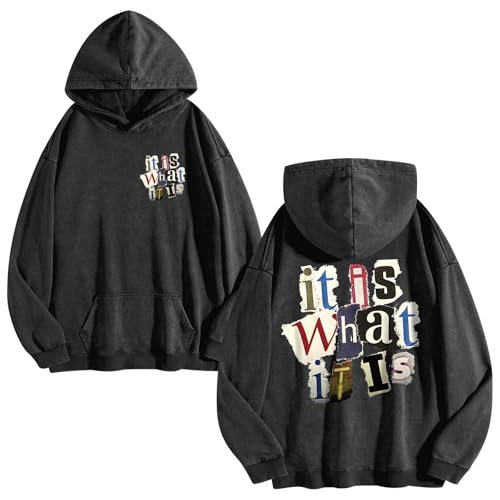
Beyond standard loungewear, well-constructed hoodies offer functional design elements like kangaroo hand pockets, double-layer hoods, and reinforced twill neck taping. Exploring our breathable knit comfort guide illustrates how natural fiber apparel balances skin-friendly airflow with lasting warmth. Whether you select a midweight 8.5 oz fleece with expressive graphic quotes or a heavy sherpa-lined winter layer, understanding garment specifications simplifies your search. Quality fleece tops keep their shape through repeated wear while providing a soft barrier against changing temperatures. Choosing the right cut ensures balanced proportions, dependable seam strength, and all-day ease.
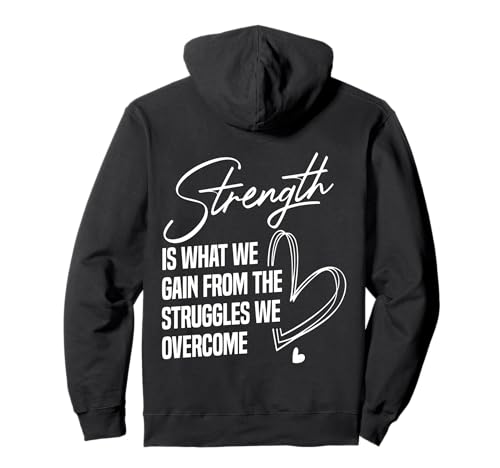


Everything You Need to Know About Pullover Hoodies
Pullover hoodies represent an enduring staple in modern casual apparel, blending daily utility with relaxed ease. At their foundation, these garments are closed-front knit sweatshirts with an attached hood, designed to slip directly over the head without a central zipper. Their continuous front panel, roomy kangaroo pocket, and thermal knit composition distinguish them from other outerwear pieces. Appreciating their construction, fleece weights, and styling nuances helps wearers maximize comfort across every season.
Core Anatomy of an Over-the-Head Sweatshirt
The defining structural element of a pullover hoodie is its unbroken front torso panel. Unlike zippered alternatives, an over-the-head silhouette relies on continuous knit fleece extending from the neckline down to the hem. This seamless panel blocks cold drafts from penetrating between zipper teeth, offering dependable core warmth. The absence of a zipper also prevents awkward fabric buckling when sitting down, keeping the front profile smooth and comfortable.
At the upper neckline, an attached hood serves as both a practical weather barrier and an iconic styling feature. Hoods are commonly assembled using either a simple two-piece center seam or an ergonomic three-piece contour that rests naturally against the head. Most traditional patterns integrate an enclosed tunnel casing with drawstrings, allowing the wearer to cinch the opening against chilly winds. A well-proportioned hood rests neatly across the upper back when lowered, providing neck warmth without pulling backward.
The front midsection almost universally features an integrated kangaroo pocket, often called a pouch pocket. This continuous pass-through pocket allows the wearer to warm both hands simultaneously inside a shared, fleece-lined compartment. The side openings also provide convenient storage for daily carry items such as keys, cards, or phones. Sturdy bar-tack stitching or double-needle seams at the pocket entries prevent tearing during repeated daily use.
Ribbed knit trim along the cuffs and bottom hem completes the architectural framework of the garment. These bands blend rib-knit cotton with elastane fibers to deliver responsive stretch recovery and a draft-free grip. Snug cuffs hold the sleeves firmly at the wrists, preventing long sleeves from sliding over the hands during activity. Along the bottom edge, the ribbed waistband anchors the sweatshirt against the hips, sealing in body heat and creating a classic relaxed drape.
Knit Fabrics, Fleece Blends, and Weight Thresholds
Fabric composition directly determines the thermal rating, drape, and breathability of any hooded sweatshirt. Many popular casual hoodies feature a classic midweight fleece weighing approximately 8.5 ounces per square yard, converting to roughly 280 to 290 grams per square meter. This medium density offers exceptional versatility, providing cozy warmth during chilly mornings without causing overheating indoors. Graphic quote apparel and inspirational lifestyle hoodies frequently rely on this dependable midweight fabric for year-round wear.
Cotton fleece serves as the benchmark material for next-to-skin comfort due to its natural breathability and gentle surface hand. Blending cotton with polyester in balanced ratios improves garment durability and minimizes wash-related shrinkage. The smooth exterior face creates an ideal foundation for crisp graphic printing, while the interior is brushed into a soft nap that traps insulating air pockets. Wearers with sensitive skin benefit from high-cotton surfaces that allow vapor transfer, preventing sweat-induced irritation.
Cold-weather environments often demand heavier multi-layer constructions designed for maximum thermal protection. Certain heavy-duty hoodies feature a composite design with an outer shell made of 95% cotton and 5% spandex bonded to a 100% polyester sherpa fleece interior lining. Reaching total fabric densities up to 480 grams per square meter, these thickened garments function like insulated outdoor jackets. The flexible cotton-rich shell moves easily with the body, while the dense sherpa lining locks in warmth.
Understanding fabric density enables shoppers to match a sweatshirt to their specific climate and routine. Lightweight knits below 240 grams per square meter work well for breezy summer evenings or active warmups. Midweight fleeces between 280 and 320 grams per square meter excel during autumn layering, casual office hours, and weekend errands. Heavyweight knits exceeding 400 grams per square meter provide dedicated winter insulation, keeping the wearer warm during cold outdoor commutes.
Structural Seams, Neck Taping, and Pocket Engineering
Internal seam finishes make a substantial difference in all-day comfort and long-term durability. Quality hoodies frequently include a twill-taped neck, which involves sewing a durable cotton ribbon over the back collar seam. This clean binding protects the skin from abrasive overlock stitches, preventing friction against the neck during movement. The twill tape also stabilizes the neckline, stopping the collar from stretching out of shape after repeated pulls over the head.
Pocket attachment points endure frequent mechanical stress from resting hands or heavy items bouncing during walks. Reinforcing the upper pocket corners with bar tacks or double stitching prevents the fabric from tearing away from the body. Our analysis of cotton blend stretch apparel shows that reinforced stress seams extend garment life significantly across high-contact knitwear. Clean pocket topstitching also helps the kangaroo pocket lie flat against the torso.
Sleeve patterning also impacts mobility and shoulder comfort across different body types. Set-in sleeves provide a traditional tailored shoulder line that sits cleanly beneath overcoats and denim jackets. In contrast, raglan sleeves extend diagonally from the collar to the armpit, eliminating upper shoulder seams entirely to permit unrestricted arm rotation. Drop-shoulder styling positions the seam lower down the arm, creating a casual, slouchy silhouette popular in modern streetwear collections.
Double-layer hood tailoring represents another hallmark of premium knitwear construction. A fully lined hood uses matching knit fabric on both the exterior and interior, completely encasing raw seams for a clean finish. This dual-layer structure adds weight and stability, allowing the hood to stand attractively around the neck rather than flattening into a shapeless pile. Some premium styles also incorporate a crossover neckline that sits slightly higher around the collarbone, shielding the throat from sudden drafts.
Styling and Layering Pullover Hoodies with Cotton Leggings
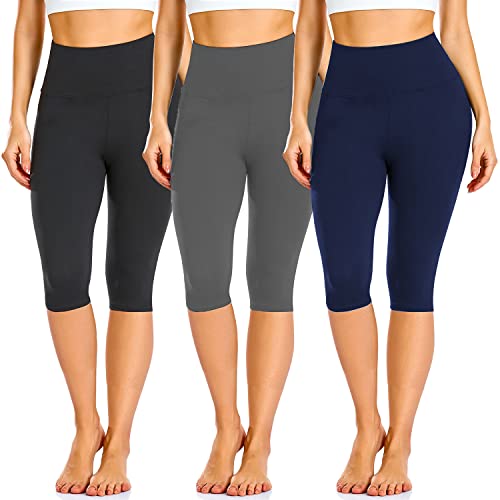
Pairing an over-the-head hooded sweatshirt with fitted cotton leggings creates one of the most practical combinations in everyday athleisure. The visual contrast between a relaxed, voluminous top and sleek, form-fitting bottoms establishes a flattering, balanced silhouette. This pairing transitions seamlessly from home office desks to neighborhood walks without requiring an outfit change. Natural cotton fibers across both garments maintain steady breathability, keeping the body comfortably temperature-regulated throughout busy days.
Proportion selection plays a critical role when matching casual fleece tops with stretch knit bottoms. An oversized or classic-fit hoodie falling near the mid-thigh offers reassuring rear coverage, making it a natural companion for lightweight stretch leggings. Reviewing our resource on everyday knit loungewear highlights how pairing relaxed knit tops with opaque cotton bottoms produces a put-together, effortless look. Ensuring the hoodie hem maintains gentle tension keeps the fabric resting cleanly without bunching.
Graphic hoodies add visual interest and personal expression to minimalist everyday outfits. Uplifting quotes, subtle humor, or vintage typography stand out beautifully against solid black, navy, or charcoal leggings. Earthy tones such as chocolate brown, heather grey, and muted olive create a grounded aesthetic that feels polished and modern. Layering a structured trench coat, denim jacket, or lightweight puffer vest over the hoodie instantly elevates casual loungewear into street-ready style.
Footwear choices easily define the functional vibe of a hoodie and legging outfit. Clean white athletic sneakers reinforce a sporty, energetic feel ideal for running errands or walking the neighborhood track. Sleek slip-on mules or flat leather chelsea boots introduce an intentional, styled finish suitable for casual dining or travel days. Scrunching ribbed crew socks over the ankles bridges the gap between leggings and shoes, creating a textured complement to the hoodie cuffs.
Pullover Hoodies Versus Zip-Up Hoodies and Crewnecks
Deciding between a pullover hoodie, a full-zip sweatshirt, and a traditional crewneck comes down to specific thermal preferences and daily routines. Pullover hoodies provide continuous front insulation because there is no metal or plastic zipper separating the torso fabric. This uninterrupted fleece front blocks cold breezes effectively and eliminates hard hardware that can press uncomfortably against the chest when lounging on a sofa or leaning over a desk.
Full-zip hoodies provide rapid temperature regulation, allowing the wearer to unfasten the jacket when moving between cold outdoor air and heated indoor rooms. However, metal and plastic zippers frequently warp or ripple after repeated laundering, creating a wavy front seam that disrupts the garment line. Zip hoodies also divide the front pocket into two separate pouches, sacrificing the connected hand-warming kangaroo tunnel that makes pullovers exceptionally cozy.
Crewneck sweatshirts share the unbroken front comfort of pullovers while omitting the hood and kangaroo pouch. Without an attached hood, crewneck sweatshirts layer smoothly beneath tailored overcoats, blazers, or denim jackets without creating bulk around the upper back. However, crewnecks lack immediate weather defense and cannot shield cold ears or neck muscles when sudden wind picks up during outdoor walks.
For sheer relaxation and cold-weather versatility, the pullover design remains hard to surpass. The attached hood and deep front pouch form an all-in-one comfort system that requires no extra hats or hand warmers on crisp mornings. While slipping the garment off requires pulling it over the head, most wearers find that minor inconvenience far outweighed by its draft-free warmth and unbroken plush comfort.
Laundering Protocols to Prevent Shrinkage and Preserve Fleece Softness
Following thoughtful laundering methods preserves both the sharp exterior look and the plush inner fleece of hooded sweatshirts. Natural cotton fibers tend to contract when subjected to hot water and aggressive dryer agitation, leading to unwanted shrinkage. Turning hoodies inside out before washing protects graphic prints from abrasion against the washing machine drum. This simple step also reduces external friction, helping prevent fuzzy pills from developing across the smooth outer face of the knit.
Water temperature plays an essential role in dye preservation and dimensional stability. Cold water wash cycles protect dark dyes such as charcoal, chocolate brown, and black from fading prematurely into washed-out tones. Cold water also shields the elastane fibers embedded within ribbed cuffs and waistbands from heat damage, preserving their elasticity. Selecting a mild liquid detergent prevents soapy residue from coating the interior fleece, ensuring the brushed fibers remain fluffy and soft.
High dryer heat presents the single greatest threat to cotton-blend fleece garments. Excessive tumble dryer temperatures cause yarn fibers to tighten, shrinking sleeve lengths and pulling the hem upward. Heat can also singe the delicate synthetic tips of sherpa fleece linings, transforming plush insulation into a stiff, matted texture. Tumble drying on low heat for ten minutes before hanging the hoodie to air dry maintains full garment dimensions and fluffy loft.
Managing pet hair and stray fuzz requires a proactive laundry approach, particularly on dark cotton fleece. The microscopic texture of cotton yarn naturally attracts loose threads and animal hair during washing. Washing fleece hoodies separately from lint-shedding bath towels or chunky blankets prevents excessive lint accumulation. Keeping a standard sticky lint roller near your closet allows you to refresh the surface quickly without running unnecessary wash cycles.
Selecting the Ideal Pullover Hoodie for Your Everyday Wardrobe
Choosing the best pullover hoodie involves aligning fabric density, silhouette, and construction features with your lifestyle needs. For mild climates, transitional seasons, and indoor lounging, an 8.5 oz midweight cotton fleece provides reliable breathability and effortless drape. For severe winter conditions or drafty outdoor settings, investing in a heavyweight sherpa-lined style provides substantial cold-weather insulation without sacrificing soft cotton exterior movement.
Examine essential construction markers before making a selection, focusing on twill-taped necklines, double-layer hoods, and reinforced pocket corners. A taped back neck prevents collar sagging, ensuring the sweatshirt retains its clean shape through countless laundry cycles. Checking pocket seams and rib-knit elasticity ensures the garment handles daily movement and pocket storage without stretching out or unraveling.
Incorporating a well-made hooded sweatshirt into your regular rotation delivers unmatched comfort and casual styling flexibility. Whether worn with stretch cotton leggings for morning coffee runs, styled under a heavy jacket for urban outings, or worn for restful evenings at home, the pullover hoodie remains an essential knitwear staple. Choosing quality fabrics and following mindful laundering practices ensures your hoodie delivers warm, dependable comfort for years to come.





Write Your Review
No reviews yet. Be the first to share your experience!