


Casual wardrobes rely on comfortable, easy-wearing layers that handle everything from brisk morning walks to relaxed afternoons on the couch. While crewnecks and zip jackets have their place, understanding what is a pull over hoodie helps shoppers distinguish between lightweight casual tops and heavy-duty fleece staples. At its core, a pullover hoodie is an over-the-head hooded sweatshirt crafted without a front zipper, typically featuring a continuous kangaroo pocket, ribbed trims, and a structured hood. Many shoppers pair these cozy knit tops with comfortable loungewear, such as everyday cotton apparel, to create balanced outfits that provide warmth without unnecessary restriction.
Beyond its simple closed-front silhouette, the garment delivers reliable core warmth because it eliminates the cold draft points often found along metal or plastic zipper tracks. Modern designs balance soft cotton breathability with polyester durability, utilizing fabric weights around 8.5 ounces to keep wearers comfortable across multiple seasons. Whether tailored with an oversized drop-shoulder cut or built with a traditional seamless torso, the classic pullover hooded sweatshirt remains a functional uniform for casual movement and downtime. Recognizing how yarn blends, fleece interiors, and collar construction influence long-term comfort makes it much easier to select the ideal layer.




Understanding the Pullover Hoodie: Anatomy, Fabrics, and Functionality
Evaluating what is a pull over hoodie requires looking closely at how textile construction, pocket placement, and neckline geometry come together to create an enduring knitwear staple. While the garment originated as utilitarian workwear designed to shield cold-storage workers and field athletes from harsh temperatures, it has evolved into a versatile centerpiece of modern streetwear and leisure dressing. The closed front provides an unbroken surface that traps body heat effectively, creating an insulating microclimate around the torso. Exploring the nuances of fabric composition, seam assembly, and silhouette styling provides clear guidance for building a functional, durable collection of everyday knitwear.
The Core Design Elements That Define a Pullover Silhouette
The defining feature of a pullover hoodie is its closed front, which sets it apart from buttoned cardigans and split-front zip jackets. Because there is no central closure system, wearers pull the garment on directly over the head, giving the chest and abdomen an unbroken barrier against cool drafts. A functional hood anchors the neckline, cut with contoured panels and frequently equipped with braided drawstrings to adjust coverage around the face. The hem and sleeve cuffs feature elasticized ribbed knitting that grips the wrists and waist, sealing warm air inside the garment during daily activity. These knit bands also prevent the sleeves from sliding down over the hands when handling daily tasks.
Another hallmark of the classic pullover design is the integrated kangaroo pouch pocket positioned squarely across the lower abdomen. This dual-access pocket allows hands to slide in from both sides, offering a natural place to warm cold fingers or stash lightweight personal belongings like keys and smartphones. Because the pocket is stitched directly onto the outer knit surface without interrupting the torso panel, it maintains the structural integrity of the front body. Reinforced bar-tack stitching at the upper pocket corners prevents tension tears during frequent use. This continuous pocket configuration also produces a clean, uninterrupted profile that makes the hoodie an intuitive choice for lounging and casual travel.
Pullover Versus Zip-Up Hoodies: Key Differences in Warmth and Structure
Choosing between a pullover and a full-zip hoodie usually comes down to personal thermal preferences and styling versatility. A full-length front zipper offers easy ventilation and quick removal without disturbing hair or eyeglasses, making it practical for fluctuating indoor temperatures. However, metal and nylon zipper tracks add mechanical stiffness that can cause the fabric to buckle or ripple awkwardly across the chest when sitting down. Zippers also create tiny micro-gaps between the teeth, allowing brisk winds to penetrate through to inner base layers. In contrast, the continuous knit chest of a pullover sits flat against the body, offering unbroken warmth and a smooth drape.
Structural longevity also distinguishes closed-front hoodies from their zippered counterparts over years of regular laundry cycles. Zipper tapes often shrink at different rates than cotton or polyester fleece knits, resulting in wavy, distorted center seams that compromise the silhouette. Pullover construction eliminates zipper failure entirely, avoiding stuck slider mechanisms, bent teeth, and split seams. In addition, graphic prints and artistic motifs span cleanly across the unbroken chest panel without being bisected by hardware. Wearers who prioritize uniform torso insulation and relaxed lounge comfort frequently favor the dependable consistency of an over-the-head cut.
Fabric Compositions: Cotton Ratios, Fleece Weights, and Washed Finishes
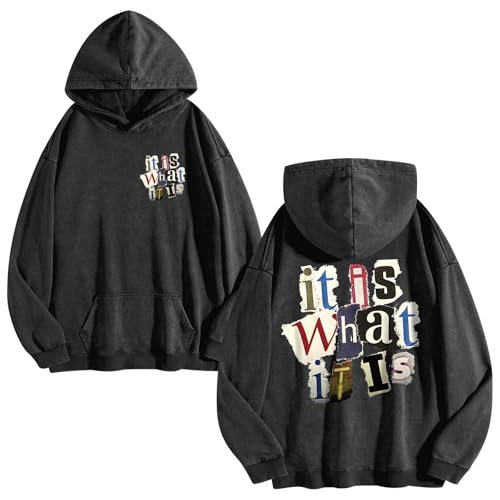
Yarn selection plays an essential role in determining how a hooded sweatshirt feels against the skin, how it breathes, and how well it survives repeated washing. Pure cotton knits deliver exceptional breathability and hypoallergenic softness, but high-cotton blends incorporating synthetic fibers offer superior resilience. For example, blends combining 60% cotton with 40% polyester, such as those found in washed graphic streetwear tops like the Zoemghc Graphic Hoodies for Men Vintage Hoodie, offer a soft, skin-friendly surface alongside excellent shrink resistance. The cotton component absorbs moisture and creates a comfortable internal climate, while polyester continuous filaments reinforce yarn tensile strength. This blended structure helps the fabric hold its shape across active days without developing loose, bagged-out elbows.
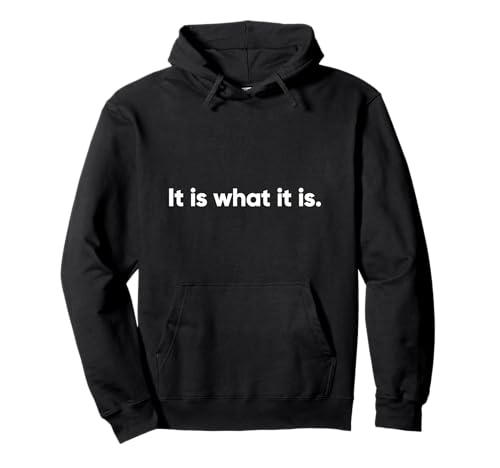
Fabric density is measured in ounces per square yard or grams per square meter, directly dictating whether a hoodie is suitable for crisp autumn breezes or sub-freezing winter conditions. Standard midweight pullover hoodies, such as the classic 8.5 oz builds seen in the That Says It Is What It Is Unisex-Adult Black hoodie and the Jeopardy! What is… Pullover Hoodie, provide balanced thermal insulation without feeling overly bulky. Inside the garment, brushed fleece finishes create a fluffy, napped texture that traps ambient body heat within microscopic air pockets. When pairing these cozy tops with bottom layers, many shoppers coordinate them with breathable cotton knits to achieve consistent comfort from head to toe. Garment-washed cotton finishes also offer a softened, broken-in texture that minimizes stiff fiber friction right out of the package.
Structural Engineering: Seams, Hood Linings, and Twill-Taped Collars
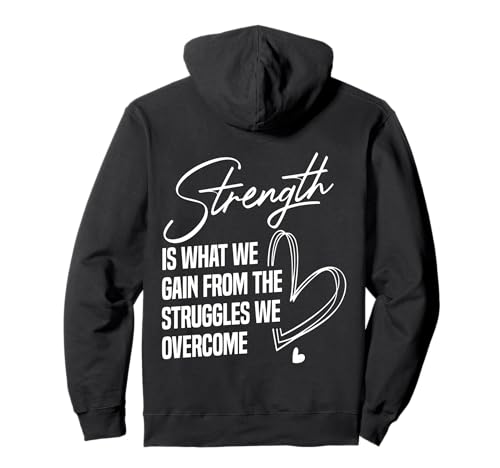
Durable pullover hoodies rely on specialized construction details that protect high-stress points from premature tearing or stretching out of shape. The neckline experiences continuous mechanical stress every time the wearer pulls the garment over the head. Quality sweatshirts address this wear point by incorporating a twill-taped neck, where a woven fabric strip covers and reinforces the raw collar seam. This taping, standard on models like the Strength Is What We Gain From The Struggles We pullover, prevents neckband distortion and eliminates itchy chain stitching against the nape of the neck. Double-needle coverstitching along the armholes and shoulders adds another layer of defense against seam separation during movement.
Hood architecture also impacts both thermal efficiency and aesthetic drape around the shoulders. A double-lined hood, featured on designs like the Strength is What We Gain From the Madness We hoodie, incorporates two layers of self-fabric rather than leaving exposed raw fleece loops on the interior. This double-layer design gives the hood sufficient structural weight to stand up neatly behind the neck without flopping flat or turning inside out. In addition, seamless tubular body construction, often utilized in vintage-inspired meme styles like the Retro What is Even Happening Funny Raccoon Meme hoodie, eliminates abrasive side seams along the torso. Torso panels woven on circular knitting machines drape smoothly against the skin and eliminate side-seam twisting after laundering.
Silhouette and Sizing: Classic Fits Versus Oversized Streetwear Cuts
Determining the right silhouette depends largely on whether the hoodie will serve as a neat layering piece or an expressive outer statement. A classic fit is tailored with standard shoulder seams that align naturally with the clavicle, moderately relaxed chest proportions, and ribbed trims that rest securely against the hips. This cut accommodates a base layer like a crewneck tee while remaining streamlined enough to slide under heavy jackets without armhole bunching. Garments cut with classic proportions deliver a balanced silhouette that flatters diverse body shapes across everyday errands, casual office settings, and travel. It provides dependable comfort without excess fabric interfering with simple tasks.
On the other end of the stylistic spectrum, oversized and vintage streetwear fits prioritize exaggerated roominess and lowered shoulder lines. Dropped shoulders shift the sleeve seam several inches down the bicep, creating a boxy torso that drapes freely over the midsection. Relaxed streetwear garments, like the apricot and black Zoemghc Graphic Hoodies for Men Vintage Hoodie designs, provide ample airflow and effortless mobility for casual settings like skate parks, campuses, and weekend lounges. When styling an oversized top, wearers often balance the volume by pairing it with slimmer pants or tailored joggers. Choosing between these cuts comes down to whether you prefer close-fitting thermal containment or breezy, laid-back casual proportions.
Layering Versatility Across Changing Seasons and Wardrobes
The functional beauty of a well-made hooded sweatshirt lies in its adaptability across varying climates and seasonal transitions. During mild autumn and spring days, a midweight pullover serves as a standalone outer garment, providing just enough fleece insulation to ward off chilly morning breezes. As temperatures drop toward winter, the hoodie effortlessly transitions into an insulating mid-layer worn beneath denim jackets, trench coats, or heavy puffer vests. Peeking the hood over the collar of a tailored wool overcoat creates an effortless high-low sartorial contrast that remains a cornerstone of contemporary street styling. The ribbed waist hem keeps the garment anchored, preventing cold air from rushing up the back.
Bottom garments play an equally critical role in balancing the visual weight and comfort of a hooded knit top. Pairings with classic denim or utility cargo trousers produce a durable outdoor ensemble ready for weekend activities and daily commutes. For indoor downtime or relaxed athletic recovery, combining an 8.5 oz fleece top with fleece-lined cold-weather layers provides cohesive thermal protection during freezing days. The lack of rigid hardware across the chest makes a pullover especially comfortable when curling up on a couch or sitting for extended remote work sessions. Matching footwear, ranging from retro skate shoes to running trainers, completes a functional, comfortable outfit suitable for virtually any casual setting.
Laundering Protocols: Protecting Fleece Softness, Prints, and Dimensions
Proper laundering practices ensure that cotton and polyester fleece hoodies maintain their original dimensions, soft interior pile, and vibrant graphic prints over years of use. High wash temperatures are the primary enemy of knitwear, as hot water causes cotton cellulose fibers to contract and elastane or polyester threads to degrade. Turning garments inside out before washing protects the outer face from abrasive friction against other fabrics in the drum. This simple step prevents fiber fuzzing on the exterior and safeguards graphic letter prints or screen-printed artwork from cracking. Washing in cold water with a gentle, liquid detergent cleans fibers effectively while preserving dye intensity across dark garments.
Drying habits are equally vital for maintaining the soft, cloud-like texture of interior fleece loops. Excessive heat in a tumble dryer can singe synthetic fibers, causing the plush inner fleece to mat into hard, scratchy clusters. Whenever possible, smooth the damp garment out by hand and lay it flat or hang it across a drying rack away from direct heat sources. If using a tumble dryer is necessary, select a low-heat or air-fluff setting and remove the hoodie while it remains slightly damp. Avoiding chlorine bleach and harsh optical brighteners protects yarn integrity and prevents washed apricot or vintage heather gray hues from turning dull and yellowed.
Selecting the Ideal Pullover Hoodie for Your Personal Routine
Pinpointing the perfect hooded sweatshirt requires evaluating where and how you plan to wear it most often. If your daily routine involves outdoor activities, dog walking, or cold-weather commutes, prioritize dense 8.5 oz fleece fabrics with double-lined hoods and reinforced twill-taped necks that block the wind. Wearers seeking expressive casual statements for campus wear or social gatherings may prefer washed cotton-blend tops with humorous quotes, vintage typography, or bold back graphics. Pay close attention to sizing charts, as oversized cuts are intentionally patterned with generous chest and sleeve allowances that might run large on shoppers wanting a neat fit.
Ultimately, the enduring popularity of the pullover hoodie stems from its seamless balance of practical shelter and effortless comfort. By eliminating hardware complications and focusing on soft, insulating knit fabrics, this wardrobe staple delivers reliable warmth wherever the day leads. Whether you choose a minimalist solid black fleece, an officially licensed trivia graphic like the Jeopardy! design, or a distressed streetwear cut, the right pullover feels like a personal sanctuary. Taking time to inspect seam construction, fiber blends, and pocket reinforcement ensures your chosen sweatshirt remains a dependable companion for seasons to come.





Write Your Review
No reviews yet. Be the first to share your experience!