


Choosing athletic and casual shorts often leads to confusion between numerical waist measurements and standard letter sizing. While standard apparel charts place a medium within a predictable range, the actual fit varies based on rise height, waistband elasticity, and glute room. Understanding what size is mens medium shorts helps activewear shoppers avoid waistband roll-down and restrictive thigh seams. A proper medium must anchor securely across the hips without binding during heavy workouts or casual weekend lounging.
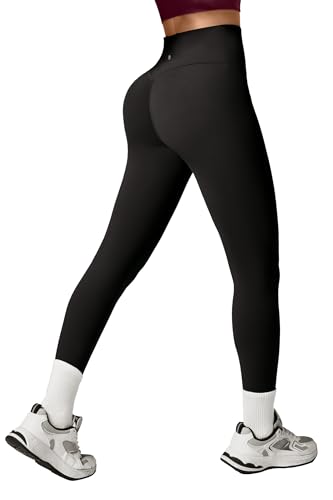
Men shopping for training gear frequently balance waist security against quad mobility, similar to how fitness enthusiasts evaluate high-waisted activewear options for waist contouring and squat security. Manufacturers design athletic bottoms with specific stretch tolerances, meaning a labeled medium can feel loose on one frame and snug on another. Reviewing the underlying garment dimensions ensures that activewear provides reliable coverage and unhindered movement across various training sessions.




Navigating Men’s Medium Shorts Sizing, Proportions, and Fit Dynamics
In standard American apparel sizing, a men’s medium shorts size corresponds to a waist measurement between 32 and 34 inches. This measurement assumes the waistband sits near the natural waist or slightly below the navel where modern athletic shorts typically rest. Across leading activewear brands, a medium also accommodates hip circumferences ranging between 38 and 41 inches. However, variations in fabric composition, rise depth, and leg taper mean two pairs labeled medium can fit quite differently on the body.
Standard Waist Circumference and the 32 to 34 Inch Benchmark
Most sportswear manufacturers base their medium patterning on a true 32-inch to 34-inch body waist circumference. Because athletic shorts frequently feature elastic bands, they possess an inherent expansion margin that standard tailored trousers lack. A relaxed elastic waistband on a medium pair may physically measure between 29 and 31 inches off the rack. This smaller un-stretched circumference allows the garment to grip the torso firmly without relying solely on a drawstring.
Garment rise plays an equally critical role in how that 32-inch to 34-inch measurement feels around your waist. Traditional sizing assumes placement right at the narrowest part of the torso, but modern athletic designs like the Amazon Essentials loose-fit performance shorts are engineered to sit below the waist. When shorts sit lower on the hips, the waistband must expand over the wider crest of the pelvis. Buyers with waistlines measuring 33.5 or 34 inches often feel extra tension if the shorts have a lower rise, making accurate body measurement essential.
Taking an accurate waist measurement requires wrapping a flexible tape measure around the torso where you naturally wear your shorts. Keep the measuring tape level from front to back and avoid cinching it tightly into the skin. If your measurement lands on the exact boundary, such as 34 inches, your preferred silhouette dictates whether you remain in a medium or move up to a large. A medium delivers a clean, secure silhouette that prevents excess fabric bunching around the hips.
Seat, Glute, and Thigh Room: Accounting for Hip Measurements
Waist measurements only tell half the story when selecting activewear bottoms. The seat and hip dimensions dictate how freely the garment moves when you squat, lunge, or run. A standard men’s medium is generally drafted to clear a hip circumference of approximately 38 to 41 inches. If your glute or quad development exceeds this standard proportion, a medium waist can still feel constricting through the lower pelvis.
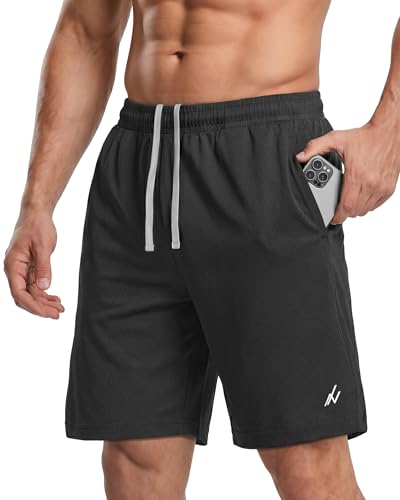
Loose-fit basketball models, such as the Profectors athletic shorts, incorporate extra volume through the seat and thighs to maintain freedom of movement. This generous cut allows the fabric to drape without pulling across the glutes during deep knee flexion. In contrast, straight-leg casual shorts provide a narrower profile that fits closer to the natural contours of the leg. Choosing between these cuts depends on your lower body musculature and intended physical activity.
Evaluating seat room is particularly vital for lifters and runners who carry significant quad volume. When a medium pair lacks sufficient thigh clearance, the front fabric pulls taut, forcing the leg openings to ride up during movement. This upward migration can lead to inner thigh chafing and unnecessary friction during extended workouts. Checking the listed cut style, whether relaxed or tailored, helps predict how well a medium accommodates your natural shape.
Inseam Variations: Comparing 8-Inch, 9-Inch, and 10-Inch Drops
Inseam length determines where the bottom hem rests along the thigh, drastically altering both the visual aesthetic and functional performance of the shorts. The inseam is measured from the interior crotch seam straight down to the edge of the leg hem. Men’s medium shorts feature significant variation in this dimension, ranging from above-knee cuts to below-knee athletic drops. Knowing your preferred drop prevents purchasing shorts that feel either overly restrictive or uncomfortably baggy.
An 8-inch inseam, found on US size medium Amazon Essentials tech shorts and NY Threads mesh shorts, typically finishes just above the knee for men of average height. This length offers a balanced profile suitable for agility drills, running, and casual studio workouts. The fabric clears the knee joint entirely, preventing the hem from catching during deep squats or box jumps. Many runners and functional fitness athletes favor the 8-inch cut because it eliminates fabric drag without exposing too much leg.
Longer drops, such as the 9-inch cut on COOFANDY summer chinos or the 10-inch drop on BALENNZ and Profectors activewear, provide substantial knee coverage. A 10-inch inseam generally rests right over the knee or slightly below it on men under six feet tall. Basketball players often favor this extended length for traditional court styling and extra surface protection against floor burns. However, shorter individuals may find that a 10-inch medium feels heavy and disrupts natural knee articulation.
Waistband Mechanics: Encased Elastic, Drawcords, and Chino Construction
The construction of the waistband dictates how securely a medium pair stays positioned during high-intensity training. Athletic models like BALENNZ and AKAWOOKO utilize encased elastic waistbands that distribute tension evenly across the hip bones. This design prevents localized pinching while allowing the garment to flex during abdominal bracing. An internal drawcord works in tandem with the elastic, providing customizable retention that keeps the waistband anchored during sprints.
Casual shorts take a slightly different approach by blending classic tailoring with flexible functional features. The COOFANDY casual shorts incorporate an extended drawstring elastic waistband into a twill weave structure. This combination offers the tailored aesthetic of flat-front chinos alongside the forgiving stretch of activewear. Casual waistbands of this type provide a comfortable medium fit for all-day wear without the rigid binding of traditional dress shorts.
Shoppers who value waist retention often compare these flexible athletic closures with the secure waistbands found in flattering athletic bottoms that prioritize reliable support during workouts. In men’s athletic shorts, a poorly constructed drawcord allows the waistband to stretch out and slide down under the weight of movement. Premium athletic brands reinforce the drawcord channel to ensure the inner cord slides smoothly without twisting or disappearing into the seam. Testing the cord tension ensures your medium shorts maintain their position throughout rigorous gym sessions.
Fabric Blends and Mechanical Stretch: Performance Polyester vs Cotton Twill
Fabric selection directly influences how a men’s medium shorts size behaves under tension and repeated laundering. Modern athletic options rely heavily on synthetic textiles like polyester knits and breathable mesh. The Amazon Essentials medium uses a lightweight honeycomb texture knit fabric engineered with four-way gentle stretch. This knit construction enables the garment to expand across the glutes and thighs during dynamic movement before snapping back into shape.
Polyester mesh designs, like those produced by NY Threads and AKAWOOKO, prioritize rapid moisture evaporation over structural thickness. These fabrics wick sweat away from the skin, preventing moisture buildup that can make activewear feel heavy and clammy. Synthetic fibers also offer high resistance to shrinkage, ensuring that a medium remains true to its initial measurements across multiple wash cycles. This dimensional stability makes synthetic workout shorts a reliable staple for frequent gym goers.
In contrast, lifestyle shorts crafted from cotton blends present different mechanical properties that affect fit over time. A blend containing 97% cotton and 3% spandex, such as the twill used by COOFANDY, provides a softer hand feel with slight horizontal give. Cotton fibers breathe exceptionally well in high heat but lack the instant rebound of pure synthetic athletic knits. Cotton twill can also experience subtle shrinkage if exposed to high drying temperatures, which may cause a snug medium to tighten across the hips.
Pocket Depth, Storage Weight, and Waistband Sag
Pockets add essential utility to activewear, but their size and placement can dramatically alter how a medium pair fits during physical activity. Deep side pockets, such as those featured on Profectors and BALENNZ workout shorts, provide ample room for large smartphones, wallets, and key rings. When storage pockets are loaded with everyday carry items, the additional weight pulls downward on the elastic band. A medium that fits slightly loose around the waist will inevitably sag on the weighted side.
Zippered pockets solve this downward displacement by anchoring heavy items closer to the hip line. The COOFANDY summer shorts feature two side zip pockets and a rear welt pocket, keeping valuables secure and stationary. Restricting item movement prevents heavy smartphones from swinging against the thigh during a brisk walk or jog. This secure pocket geometry ensures the waistband remains level across the pelvis rather than drooping awkwardly.
Athletic gym shorts without zippered closures rely on pocket depth to prevent items from falling out on bench presses or exercise bikes. Deep hand pockets allow personal essentials to rest flat against the hip flexor without protruding outward. If you routinely carry bulky essentials during workouts, selecting a medium with a robust internal drawstring is critical. Cinching the cord tightly counteracts pocket weight and preserves proper garment alignment on the hips.
When to Size Up to Large or Size Down to Small
Determining whether to deviate from a standard medium requires evaluating your body measurements against your preferred fit profile. If your relaxed waist measures 31.5 inches and you possess lean legs, sizing down to a small can provide a sleeker, more supportive fit. A small prevents excess fabric from flapping around the knees and ensures the waistband remains taut without aggressive drawcord tightening. Runners and track athletes often prefer this trimmed-down profile for reduced wind resistance.
Conversely, individuals with a 34-inch waist who carry muscular quads or prominent glutes should strongly consider stepping up to a size large. While the medium waistband might stretch sufficiently to encircle a 34-inch torso, the seat and thigh openings may feel uncomfortably tight. Sizing up gives the hip area necessary breathing room, eliminating fabric binding when bending or descending into a deep squat. You can always use the interior drawcord to cinch the slightly larger waistband down to your true waist size.
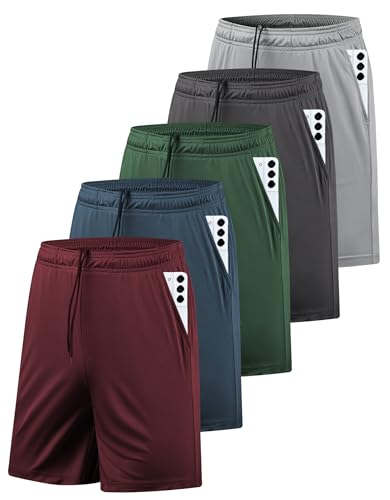
Purchasing multipacks, like the Amazon Essentials two-pack or the AKAWOOKO five-pack, makes accurate size selection even more important. Multipack garments are cut to identical production specifications, meaning a sizing mistake will affect multiple pairs in your wardrobe. Reviewing manufacturer size charts carefully and cross-referencing your hip circumference ensures that every pair in the bundle delivers reliable comfort. When in doubt between two sizes, prioritize hip clearance over waist elasticity for unrestricted lower body mobility.
Practical Verification and Fit Checklist Before Wearing
Conducting a few simple physical movements at home confirms whether your new medium shorts provide the correct balance of comfort and coverage. Begin by performing a bodyweight squat while paying close attention to waistband stability and rear rise tension. The waistband should remain securely anchored below the navel without pulling downward across the lower back. If the rear hem drops significantly or exposes undergarments, the rise is too shallow for your glute profile.
Next, take a seat in a sturdy chair to verify thigh circumference and crotch clearance. The leg fabric should rest comfortably across your thighs without pinching or digging into the groin. Stand up, tie the drawcord securely, and place your smartphone inside the side pocket to test retention. A properly fitted medium will support the weight of your pocket essentials without slipping, twisting, or restricting your natural gait.
Understanding how a men’s medium aligns with your specific body dimensions takes the guesswork out of activewear shopping. By matching your 32-inch to 34-inch waist with the appropriate hip clearance, fabric composition, and inseam drop, you can select shorts that perform reliably in any setting. Whether you choose lightweight performance mesh for intense gym sessions or breathable cotton twill for casual summer outings, a properly proportioned medium delivers lasting comfort and dependable athletic utility.




Write Your Review
No reviews yet. Be the first to share your experience!